 Revolutionizing · Modernizing · Simplifying
Revolutionizing · Modernizing · Simplifying
Revolutionizing · Modernizing · Simplifying
136,000. That is how many affordable rental units Colorado is short for its lowest-income renters, according to a gap report that came out this past March. Let that number sit for a second. It is not a rounding error. It is the reason Colorado ranks as the 7th least affordable state in the country.
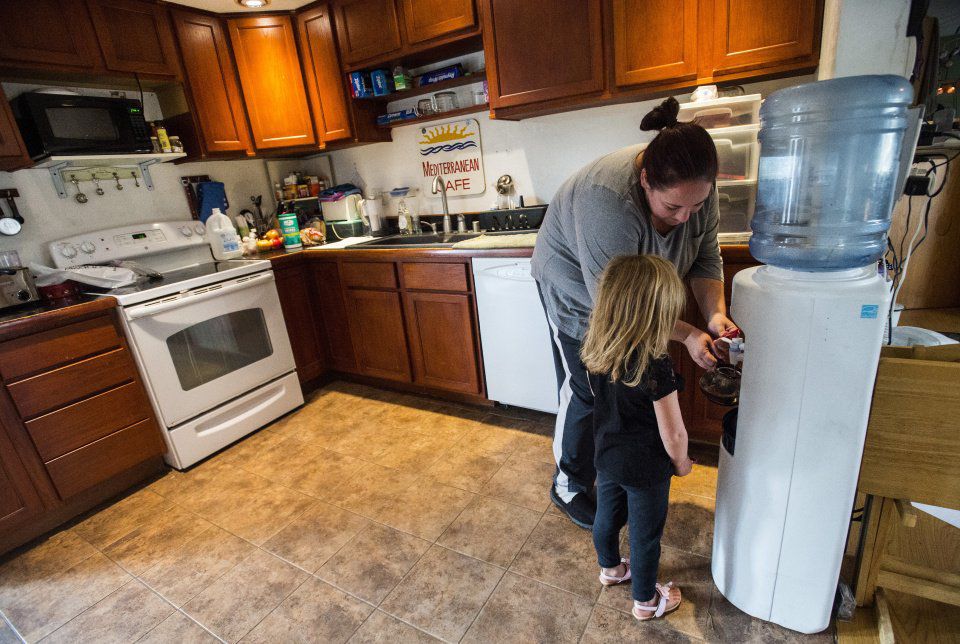
And on Aug. 12, a whole batch of new state housing laws quietly kicked in to do something about it.
Most people did not notice, because there was no ribbon cutting and no press conference on the Capitol steps. But this is the part that actually matters if you rent, if you build, or if you have ever tried to buy a starter home on the Front Range and laughed out loud at the listings.
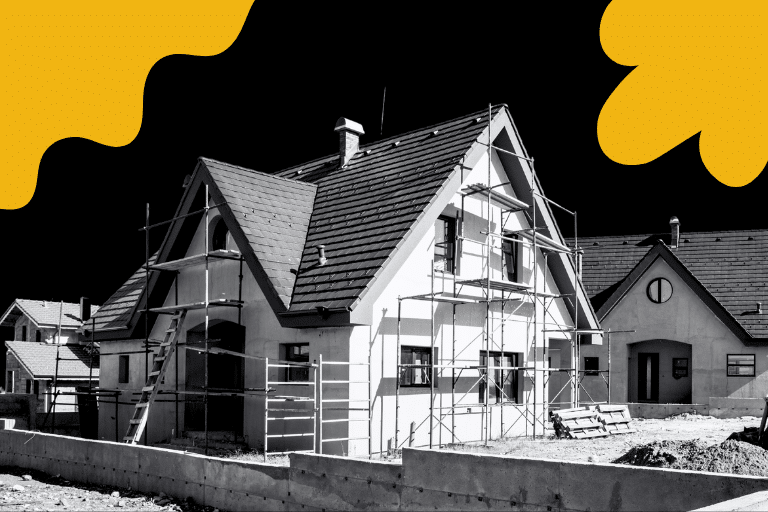
Here is the headline law. Senate Bill 001.
Before this, if a county or a town owned a chunk of land, selling it off to an affordable housing developer was a mess. Now cities can just do it. They can sell county or town owned property directly to affordable housing builders. And they can take certain property tax revenue and point it at housing authorities and workforce housing projects.
I mean, think about what that unlocks. Every city and county in Colorado is sitting on land. Old parking lots. Vacant parcels next to the rec center. Stuff that has been doing nothing for decades. SB 001 says go ahead, put homes on it.
There is one more piece in there that is kind of clever. The law lets government entities transfer the middle-income housing tax credit to any taxpayer. So the credit becomes something you can actually move around and put to work instead of it sitting stuck on a balance sheet.
The bill's sponsor, Sen. Dylan Roberts, a Democrat out of Frisco, said he was proud of the law for unlocking local governments' ability to meet their own housing needs. And honestly, that is the whole theme here. Give the cities the tools and let them build.

This did not come out of nowhere. The Colorado Coalition for the Homeless put out a report in July that said the quiet part loud. Affordable housing is still out of reach for the state's low-wage workers in 2026. Not tight. Not stretched. Out of reach.
So you have got that 136,000 unit deficit from March, the Coalition report from July, and then these laws landing in August. It is a state trying to catch up to a problem it has been staring at for years.
Laws are nice, but somebody has to pay for the concrete.
That is where Proposition 123 comes in. Voters approved it, and it dedicates a slice of state revenue straight to affordable housing programs. For Fiscal Year 2026, the State Housing Board's Prop 123 Affordable Housing Financing Fund projected about
And it is already moving. The Division of Housing over at DOLA recently approved more than $46.5 million from the State Housing Board to create 716 housing opportunities across the state, spread across 18 different investments. So this is not theoretical. Shovels are involved.
SB 001 got the spotlight, but there are two more worth knowing.
HB26-1114 requires certain local governments to allow single-family homes on residential lots as small as 2,000 square feet. Two thousand square feet. That is a small lot. For context, that opens the door to a lot more homes fitting where one used to sit.
Then there is HB26-1001. This one has a delayed fuse. On or after Dec. 31, 2027, certain jurisdictions will have to allow residential development on qualifying public and nonprofit owned land through an administrative approval process. Translation, less red tape, faster yes.
And here is a detail I did not expect. DOLA reported a high rate of compliance among the jurisdictions subject to these strategic-growth housing laws. In a lot of cases, cities were compliant ahead of the statutory deadline. That almost never happens. Usually everybody waits until the last possible day.
Now, the laws unlock land and money. But if you talk to the people who actually build this stuff, they will tell you the real killer is the process.
Pat Hamill would know. He founded Oakwood Homes and chairs the BuildStrong Foundation, and he put it bluntly. Fragmented government processes cause tremendous delays for affordable-housing builders. You can hand a builder a free lot and a tax credit, but if they spend two years bouncing between agencies to get an approval, the whole thing stalls.
The state seems to have heard that. Colorado, CHFA, and Denver are building something called Housing Hub Colorado, a common application to streamline affordable housing funding. It is targeted to launch in 2026. One application instead of ten. That is the kind of unglamorous fix that actually moves the needle.
Look, none of this builds a single home overnight. A 136,000 unit hole does not close because a bill took effect on a Tuesday in August.
But this is the part people miss. The land, the tax tools, the