 Revolutionizing · Modernizing · Simplifying
Revolutionizing · Modernizing · Simplifying
Revolutionizing · Modernizing · Simplifying
Paint. That is what is going on Tejon Street now.
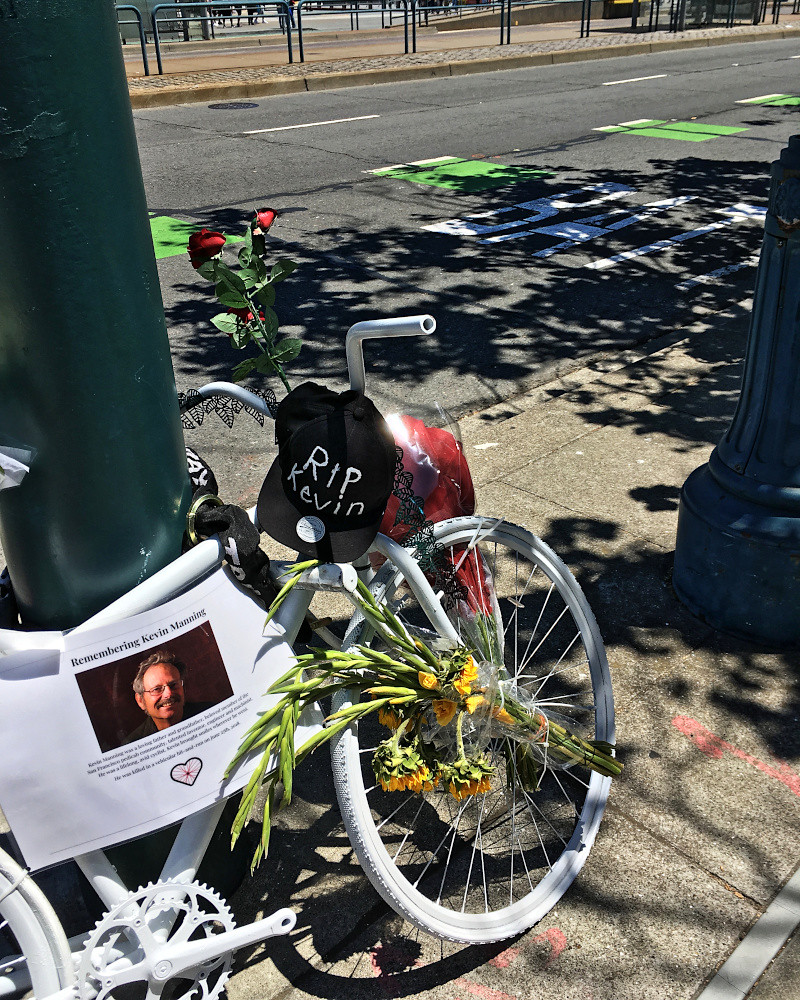
Not a curb. Not a concrete barrier. Not the protected bike lane that advocates fought for on the exact stretch where a cyclist with the surname Koç was killed. Just a stripe of paint on the asphalt, because when the advocate Castañeda pushed the Department of Transportation and Infrastructure for the real thing, DOTI told him a protected lane would be too expensive.
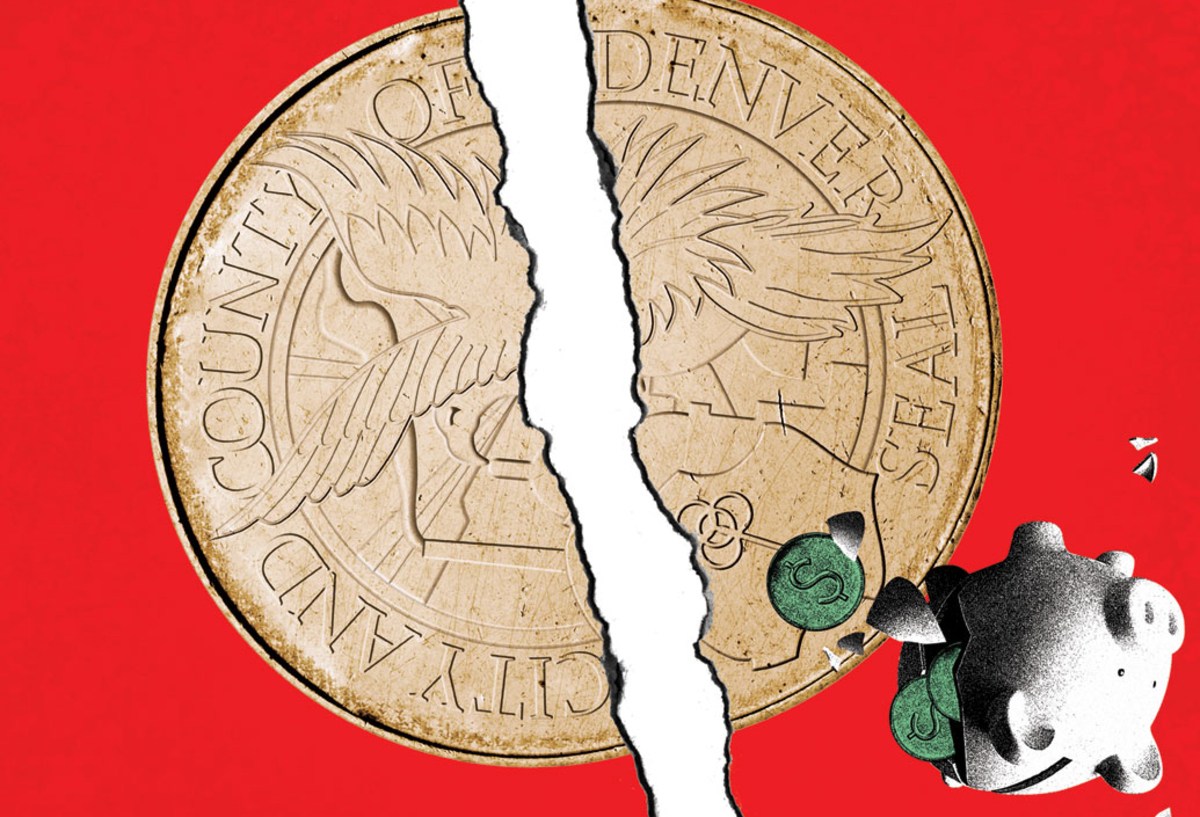
That is the moment Denver's budget crisis stopped being a spreadsheet story and became something you can see from your car window.
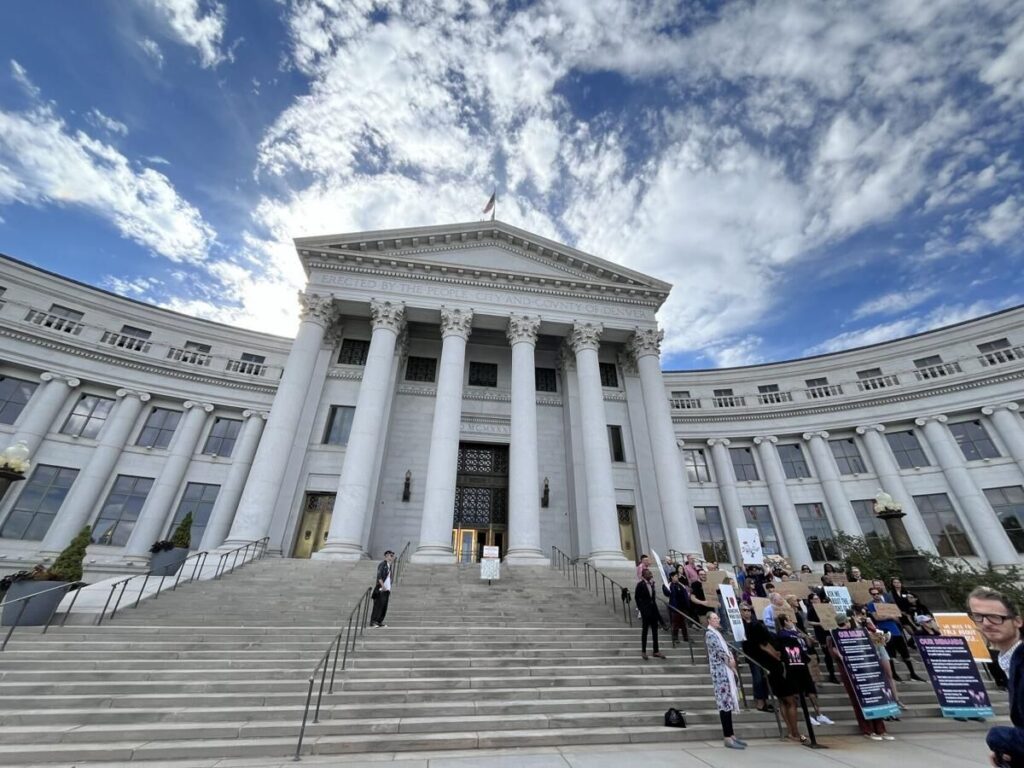
Rewind to August 2025. The city laid off 169 employees and wiped out more than 600 vacant positions. That is the biggest round of layoffs Denver has done since the Great Recession. And it did not stop at the mayor's departments. Another 70 or so jobs got cut from independent agencies, including the Auditor's Office and the Denver County Court.
Mayor Mike Johnston's explanation comes down to one number that flatlined. For about a decade, Denver's sales tax revenue grew roughly 5% a year, every year, like clockwork. This past year it grew about 0%. Nothing. That gap is what produced a projected
So the final 2026 general fund landed at
Where did the savings actually come from? About
The department you feel most is DOTI, run by director Amy Ford. It cut 102 vacant positions and 31 filled ones for about
That is why Tejon is paint. And that is not the only thing you will notice.
A Westword analysis out this past week walks through where the cuts actually land on residents, and it is broad. Bike lanes, law enforcement staffing, trash services, parking enforcement. DOTI is pulling back on Saturday and evening inspections. Some 311 calls are going to take longer to get a response. If you have called the city and felt like you were waiting forever, you are not imagining it.
The 2026 budget also shifted $8.4 million out of the Transportation and Mobility Special Revenue Fund and pointed it at parking enforcement and operations. So money that could have gone toward getting people around more safely is instead going toward, well, tickets and meters.
The good news, and there is some. Trash pickup and snow removal are protected. Those are the services that would cause an actual revolt, so they stayed off the chopping block.
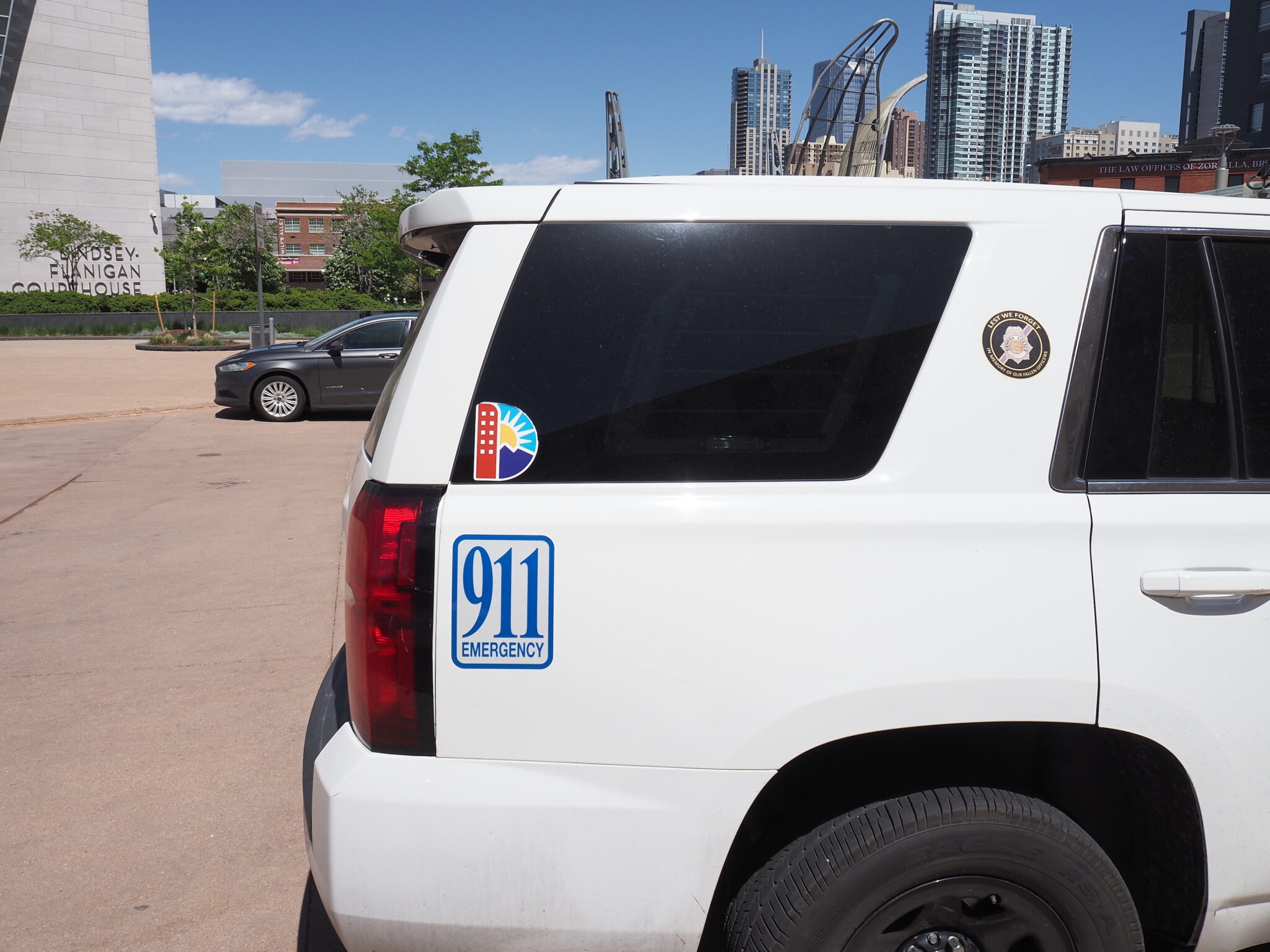
Here is the thing that raised eyebrows. The Department of Public Safety saw zero layoffs. Not one. And then just weeks after the cuts hit everyone else, the city announced Denver police would get a 15% raise over three years.
I am not going to editorialize hard on that one. But you can do the math on the optics. City workers in the Auditor's Office are packing up their desks while public safety gets a raise. People noticed.
University of Denver economics professor Juan Carlos Lopez ties the deficit to a specific arc. Denver boomed, then plateaued. The population surge that drove all those years of 5% growth leveled off. Meanwhile housing needs kept climbing and local salaries kept rising. So costs go up while the revenue engine idles. That is the squeeze.
And if you own here, or you are watching the market, this matters more than one bike lane. Slower city services, thinner code enforcement, reduced inspections. Those are the quiet things that shape how a neighborhood feels over a few years. Nobody prices a house on 311 response times. But it all adds up.
Do not expect next year to fix this. Mayoral spokesperson Jon Ewing said revenue is projected to stay flat, and that departments "may still need to get creative" to cover rising costs. Get creative. That is the phrase. More greenhouse rentals, more photo radar, more paint where there used to be concrete.
So the real story on Denver's budget is not the August layoffs. It is that the layoffs were only the opening move, they closed half the gap, and the plan for the other half is a city doing more with less for the foreseeable future.
Watch Tejon. That paint is what the next few years look like.