 Revolutionizing · Modernizing · Simplifying
Revolutionizing · Modernizing · Simplifying
Revolutionizing · Modernizing · Simplifying
A cyclist named Koç died on Tejon Street. That is not a statistic to skip past. That is the whole reason the bike lane there got protection in the first place.
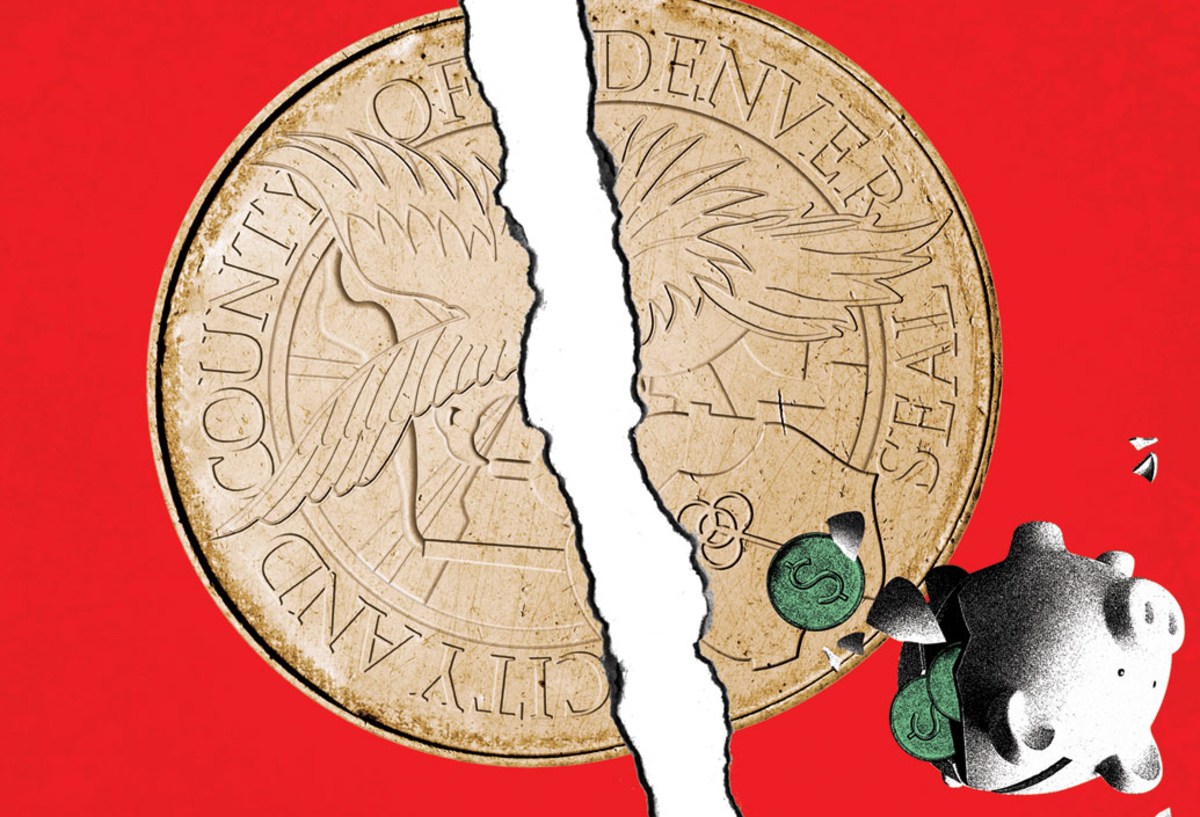
And now Denver is stripping that protection back down to paint.
Here is the thing most people scrolling past the budget headlines are missing. When a city closes a
DOTI, the Department of Transportation and Infrastructure, looked at the protected lane on Tejon Street and decided a rebuilt protected lane was too expensive. So the plan now is a painted bike lane instead. Same street. Same spot where somebody lost their life. Just paint between you and traffic.
And it is not only Tejon. DOTI has been pulling those plastic flexible delineator poles off other bike lanes around the city too, sometimes swapping in speed cushions and small dividers. The Denver Bike Lobby is not happy about it, and honestly, I get why. A pole is not much. But a pole is more than a line of paint, if you ask me.
Here is where it gets frustrating. Back in 2021, the city doubled parking meter rates and used that money to create something called the Transportation and Mobility Special Revenue Fund. The whole point of that fund was to pay for transportation stuff. Mobility. Getting people around.
For 2026, the budget moved $8.4 million out of that fund and pointed it at parking enforcement and operations.
So read that again slowly. Money raised through parking meters, set aside for mobility, is now going back toward parking enforcement. The bike lanes get downgraded and the parking ticket operation gets funded. That is the trade Denver made this year.
DOTI took a real hit. Its general fund budget for 2026 landed at
And that is just one department. Back in August 2025, Denver laid off 169 city employees and eliminated more than 600 open positions. That was the city's biggest round of layoffs since the Great Recession. Another 70 or so positions got cut from city-affiliated independent agencies, places like the Auditor's Office and the Denver County Court.
When the dust settled, the final 2026 general fund budget came in at
Mayor Mike Johnston has been framing all of this as living within the city's means after a projected
DOTI Executive Director Amy Ford went to City Council and told them the stuff people panic about is safe. No cuts to trash pickup. No cuts to snow removal. So if that was your worry, breathe.
But she also warned about the slower stuff. Longer 311 response times when you call in a pothole or a busted streetlight. Reduced right-of-way inspections. The kind of thing you do not notice until you are the one waiting on it.
And the big projects are still moving. The Colfax bus rapid transit line is going forward. So is Weir Gulch and the I-25 and Broadway work. DOTI also says SPEED program cameras are going up on Federal and Alameda boulevards by the end of 2026.
So it is not like the whole department shut off the lights. The marquee projects survive. It is the day-to-day, the poles on the bike lanes, the response times, that quietly get thinner.
Westword put out a breakdown of how these 2026 cuts actually hit residents, covering bike lanes, law enforcement, trash, parking tickets, all of it. Worth your attention because it connects the budget language to your actual street.
Real estate angle, since people always ask us how this stuff touches home values. Neighborhoods like the ones off Tejon in northwest Denver have leaned hard into being walkable and bikeable. That is part of the pitch. That is part of the price. When the city pulls the protection back out of those lanes, it chips at the exact thing that made those blocks desirable in the first place. Hayley and I have watched buyers specifically ask about bike access up there. It matters.
Look, budgets are choices. Every line is somebody deciding what Denver can afford to protect. This year the city decided it could not afford to protect the lane where Koç died.
That is the part I cannot stop thinking about.