 Revolutionizing · Modernizing · Simplifying
Revolutionizing · Modernizing · Simplifying
Revolutionizing · Modernizing · Simplifying
Lake Powell is at 21 percent of capacity. Lake Mead is at 27 percent. As of Wednesday, Aug. 19, those are the lowest numbers either reservoir has hit since the day they first filled up.
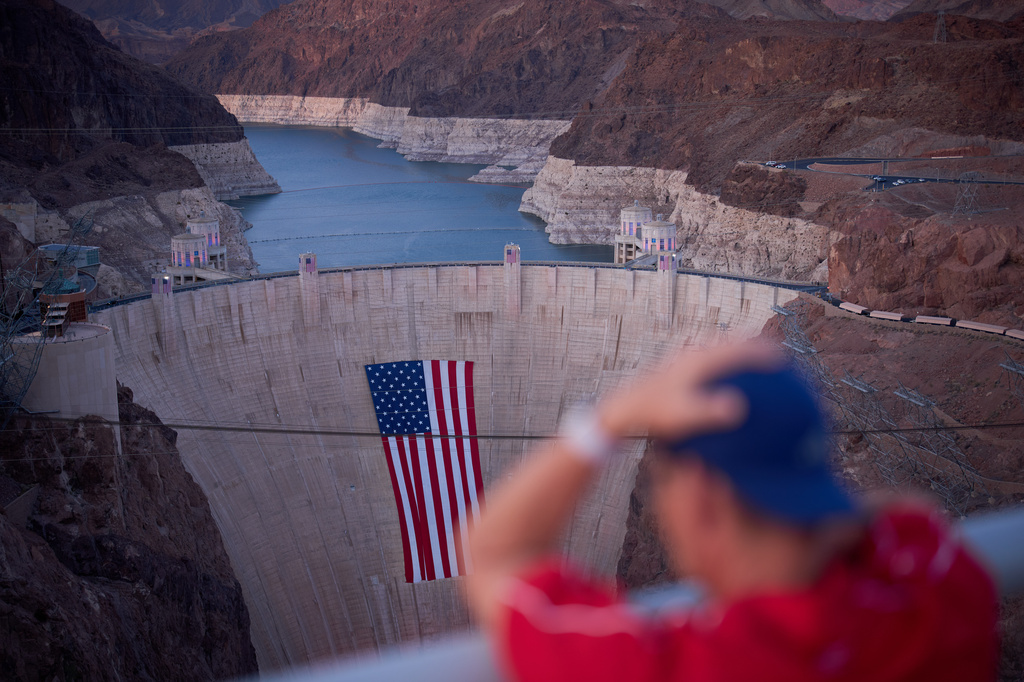
Sit with that for a second. These are the two biggest reservoirs in the country, and they are basically running on fumes.
So on Friday, Aug. 21, 2026, the U.S. Department of the Interior's Bureau of Reclamation dropped its finalized two-year operating plan for the Colorado River. This is the rulebook that decides who gets water and who gives it up when the river cannot keep up. And here is the headline for us: Colorado came out of it without a single forced cut.
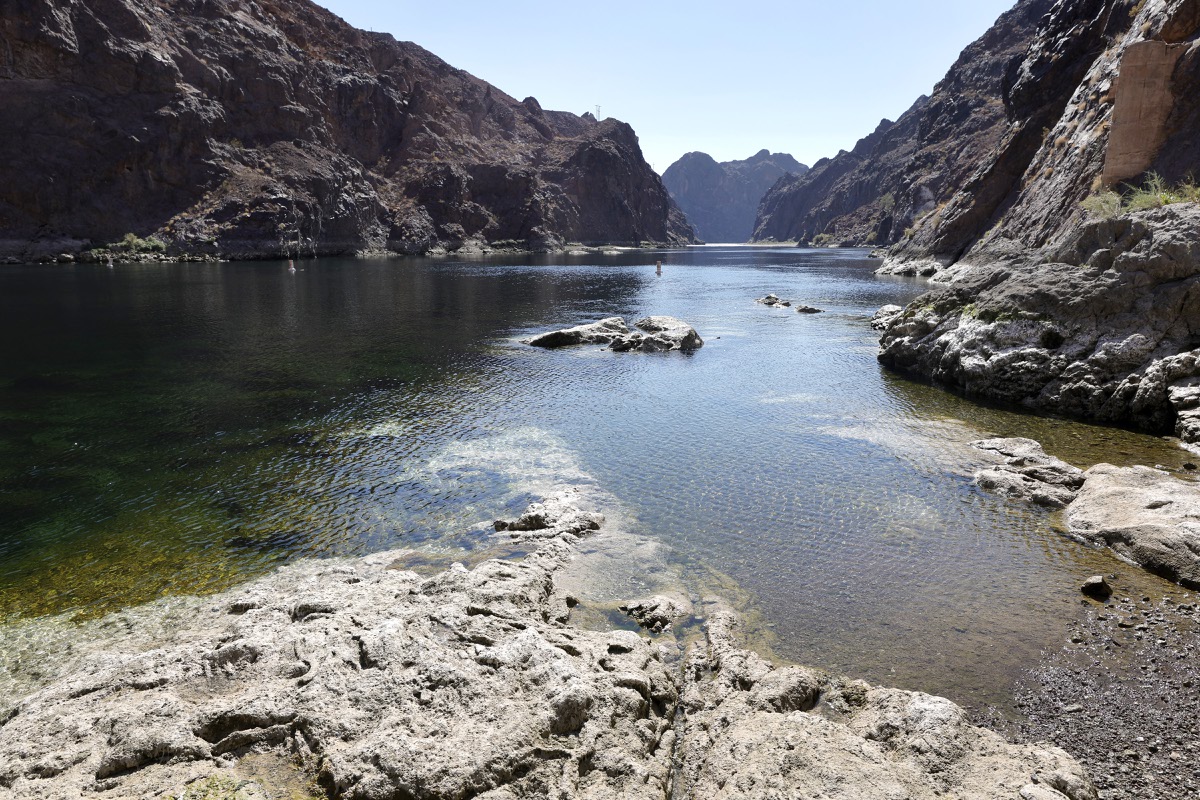
The new plan replaces guidelines that had been in place since 2007. It takes effect Oct. 1. The bigger framework runs 10 years, but the operating plan gets re-issued every two years, so this is the version we live under through 2028.
The Upper Basin states, that is Colorado plus New Mexico, Utah and Wyoming, face no mandatory cuts. None.
The Lower Basin is where the pain lands. Arizona, California and Nevada get their collective supply cut by 1.25 million acre-feet in each of the next two years. Arizona takes the worst of it at 760,000 acre-feet, which is about 27 percent of its share, according to Sarah Porter at ASU. California loses 440,000 acre-feet, roughly 10 percent. Nevada loses 50,000, about 16 percent. On top of that, the plan asks the downstream states to voluntarily conserve another 700,000 acre-feet over the two years.
So if you are keeping score, the three states below us are absorbing the cuts while we hold steady.
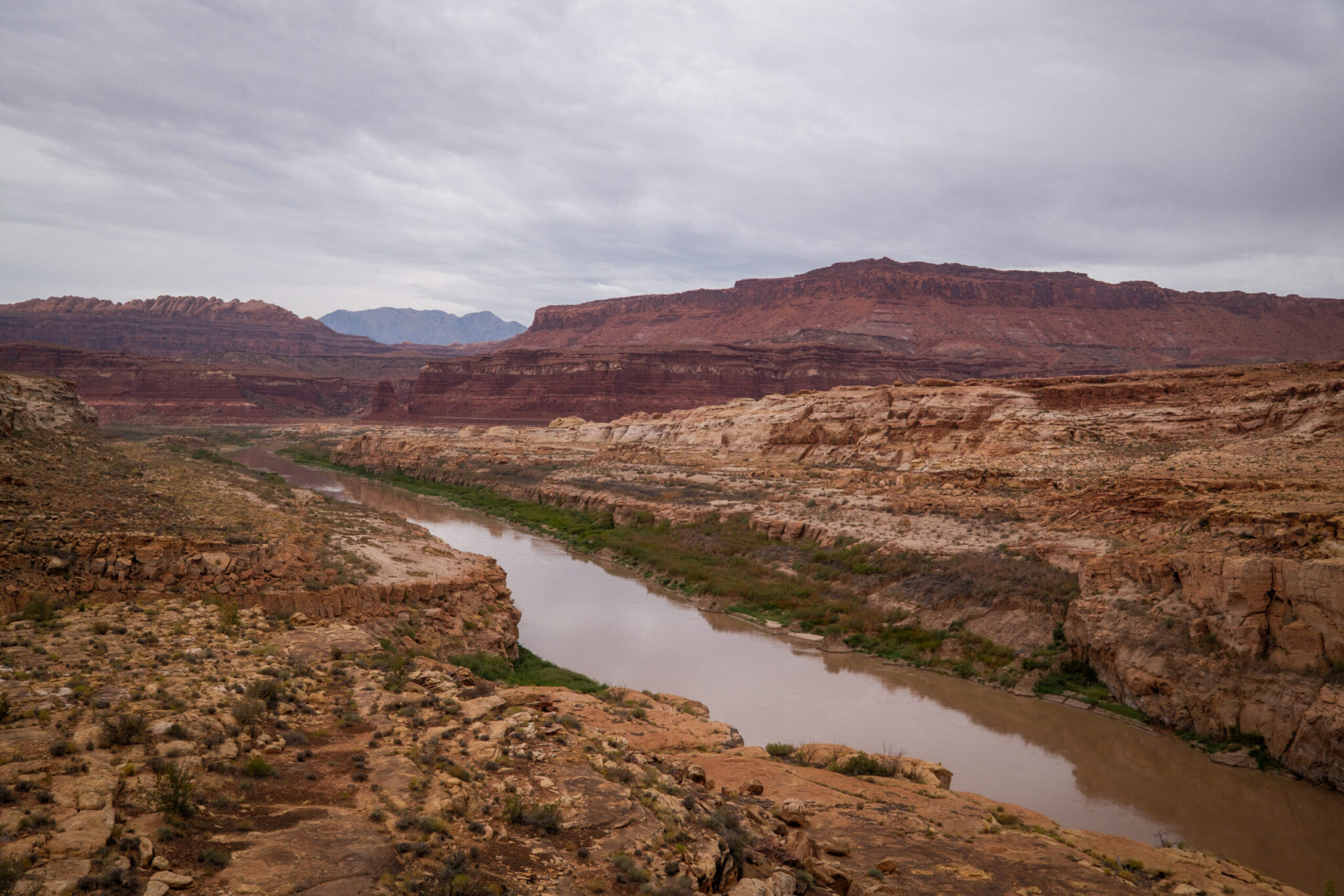
Here is the part people miss. It is not that Colorado talked its way out of anything. Becky Mitchell, the state's top negotiator and our Commissioner to the Upper Colorado River Commission, made the point in her Friday statement that the Upper Division States already face cuts imposed by nature.
Think about what that means. Down in Arizona, a lot of the water gets delivered through canals and controlled releases from the big reservoirs. Up here, we live with whatever the snowpack gives us. A dry winter is our cut, and nobody has to vote on it. Mitchell also noted that some of our water rights predate the 1922 Colorado River Compact by decades, which matters a lot in Western water law. Older rights get honored first.
She said the state stays committed to a solution that works for all the basin states, the tribes, and every interest along the river. That is the diplomatic version. The blunter version is that the seven states could not agree on a plan themselves, so Reclamation stepped in and imposed one.
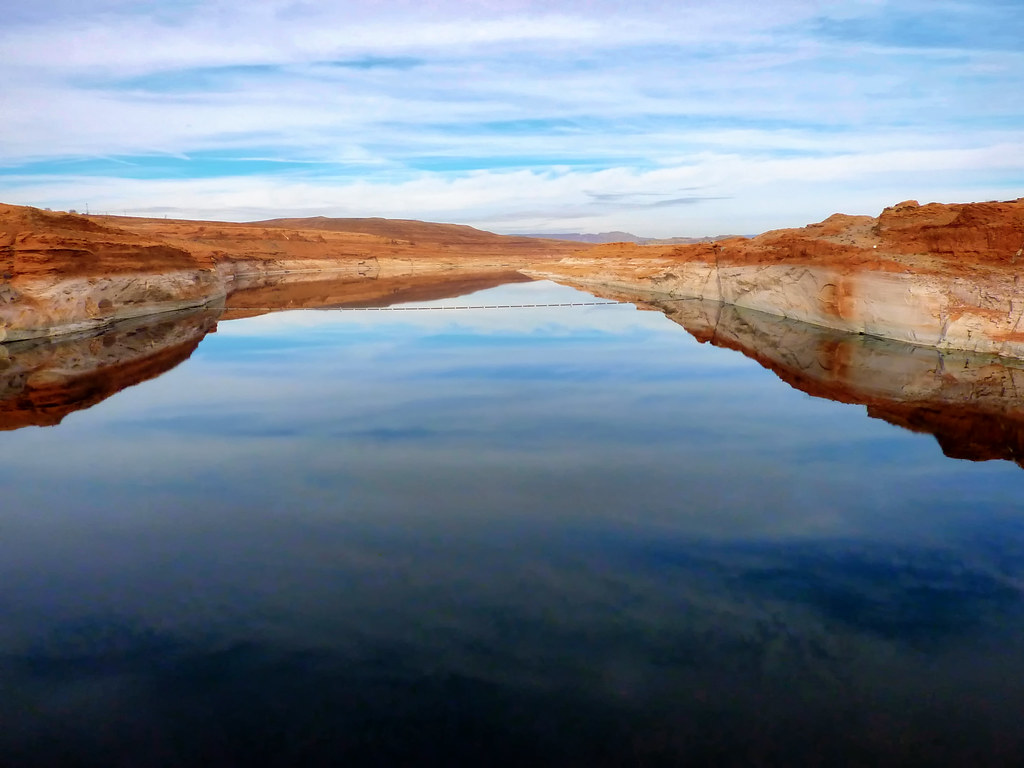
And that failure to agree is the whole story under the story. Seven states, one shrinking river, and they could not shake hands on how to split the shortage. So the feds did it for them.
JB Hamby, who chairs the Colorado River Board of California and runs point on negotiations for that state, called the framework "a bridge, not a permanent solution." I mean, that tells you everything. A future seven-state deal could still replace or modify this whole thing.
Andrea Travnicek, the Interior Department's assistant secretary of water and science, framed it as giving everyone flexible tools and voluntary actions while leaving room to reach consensus later. Which is a nice way of saying we bought some time.
Now you might be thinking, great, we dodged it, moving on. But look at this next part, because it is the one that should get your attention.
Bureau projections show Lake Powell could fall so low in early 2027 that water can no longer safely pass through the dam's hydropower turbine intakes. That is Glen Canyon Dam. When the water drops below the turbines, you lose the ability to generate power there, and the whole system that moves water downstream gets a lot more complicated. This is not a someday problem. Early 2027 is not far off.
The Colorado River supplies drinking water to about 40 million people across the seven states. It feeds farms on the Western Slope. It is tied to power generation, to agriculture, to the price of produce, to the growth story that has driven Front Range real estate for the last 20 years. Every new subdivision out on the plains, every conversation about whether Colorado can keep adding people, runs straight into the question of where the water comes from.
So no forced cuts this round is genuinely good news for us. But it is a reprieve, not a resolution. The river is telling us something, and the numbers, 21 percent and 27 percent, are not the kind you argue with.
We will be watching the next two-year plan, and whether the seven states ever manage to write their own deal before the feds have to do it again. Keep an eye on Powell this winter. That is the number that matters.