Events & Culture
 Revolutionizing · Modernizing · Simplifying
Revolutionizing · Modernizing · Simplifying
Revolutionizing · Modernizing · Simplifying
256,000. That is how many hiker-use days the Colorado Fourteeners Initiative counted across all 58 of the state's fourteeners in 2025. It is the lowest number since the group started tracking this stuff in 2015.
And here is the part people miss. The trail folks are not panicking about it. They are kind of nodding along.
CFI dropped the report Wednesday, Aug. 5, 2026. A hiker-use day, if you have never seen the term, is one person hiking one peak on one day. Do the same summit twice in a week, that is two. Simple enough. The 2025 number is down about 3% from the roughly 265,000 they estimated in 2024. But zoom out and it gets dramatic. In 2020, during that whole COVID-era everybody-go-outside surge, CFI logged 415,000. So we are down more than a third from the peak, no pun intended.
The easy story is that Coloradans got bored of suffering above 14,000 feet. That is not the story.
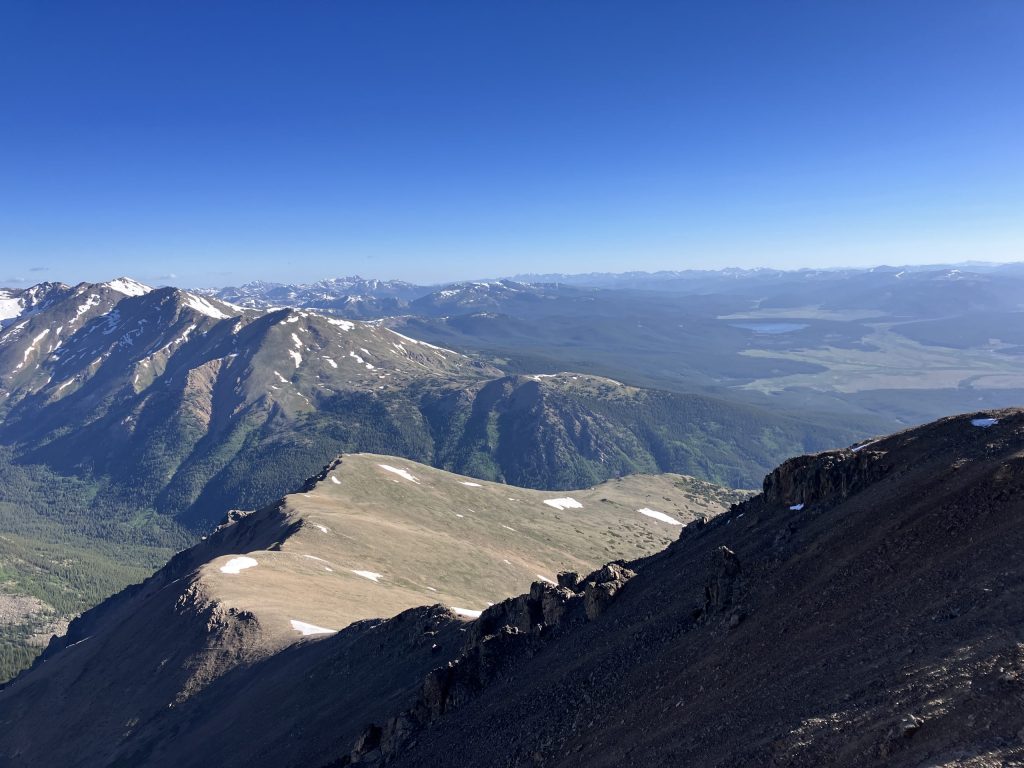
Lloyd Athearn, who runs CFI and has been executive director for 17 years now, says the decline is about access, not a lack of interest. And the single biggest reason last year is almost embarrassingly specific. The Mount Blue Sky Scenic Byway closed for construction. That road is how a huge chunk of people get anywhere near that peak, and when it went down, so did the numbers. Take away the road, take away the hikers. It is not a mystery.
So this is less a crowding-is-over headline and more an access-shapes-everything one.
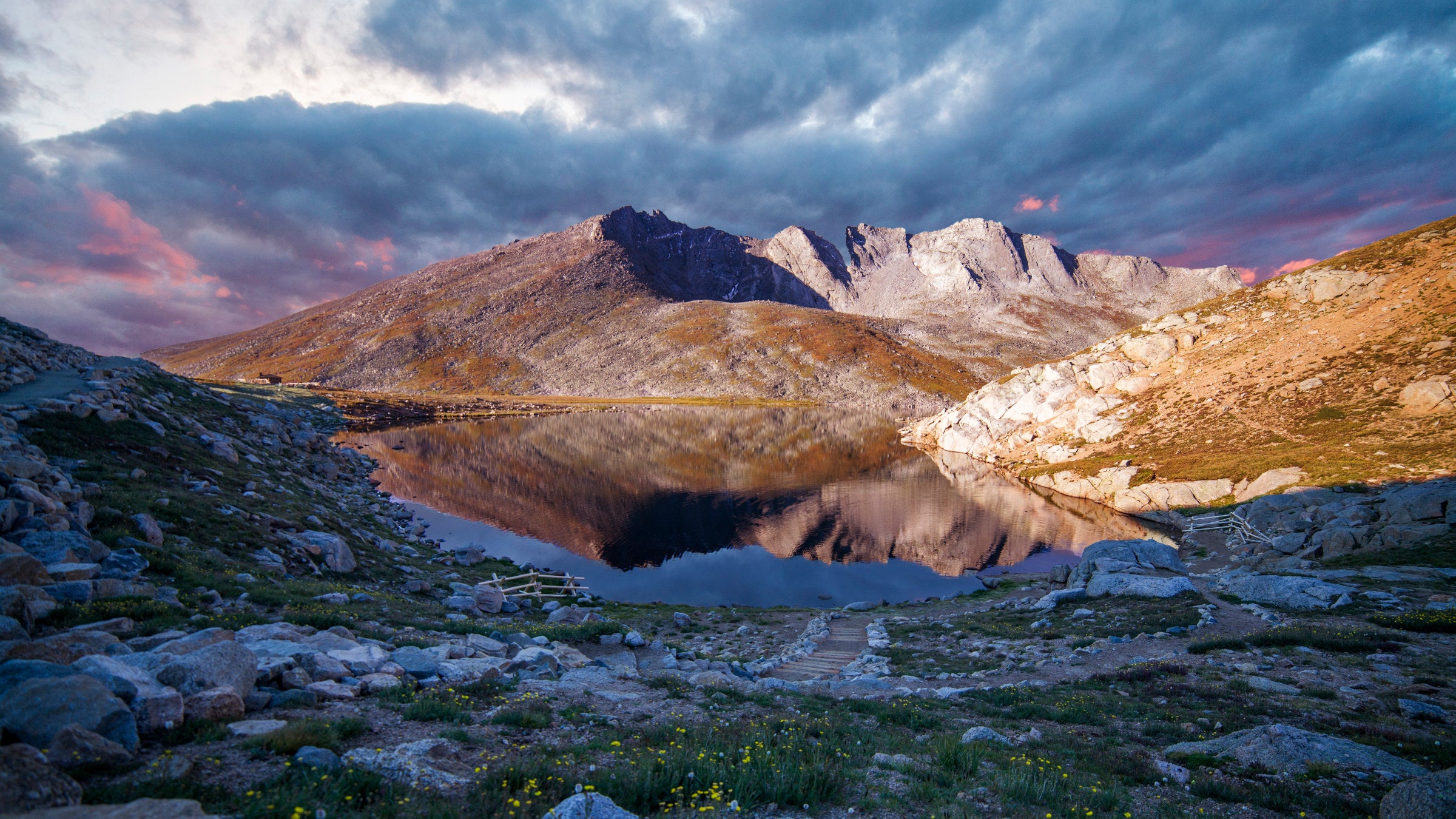
Here is the number that actually matters if you ask me. In 2025, an estimated 59% of all fourteener hiking happened on just the dozen peaks closest to the Denver metro. That is 152,400 hiker days on twelve mountains. The other 46 peaks? They split 103,600 hiker days between them.
Read that again. Twelve peaks pull more traffic than the remaining forty-six combined. The crowding problem was never really about interest in fourteeners. It is about the same handful of summits an easy drive from I-70 getting hammered while whole ranges sit quiet.
And the race for the busiest peak in the state came down to a photo finish. Mount Bierstadt edged out Quandary Peak with nearly 31,000 hikers to Quandary's roughly 30,500. A gap of about 500 people. That is a rounding error across a whole summer, and honestly it tells you these two are basically tied for the most-loved, most-worn-out trails on the Front Range.
If the goal is spreading people out, thinning that top-twelve concentration is the whole ballgame.
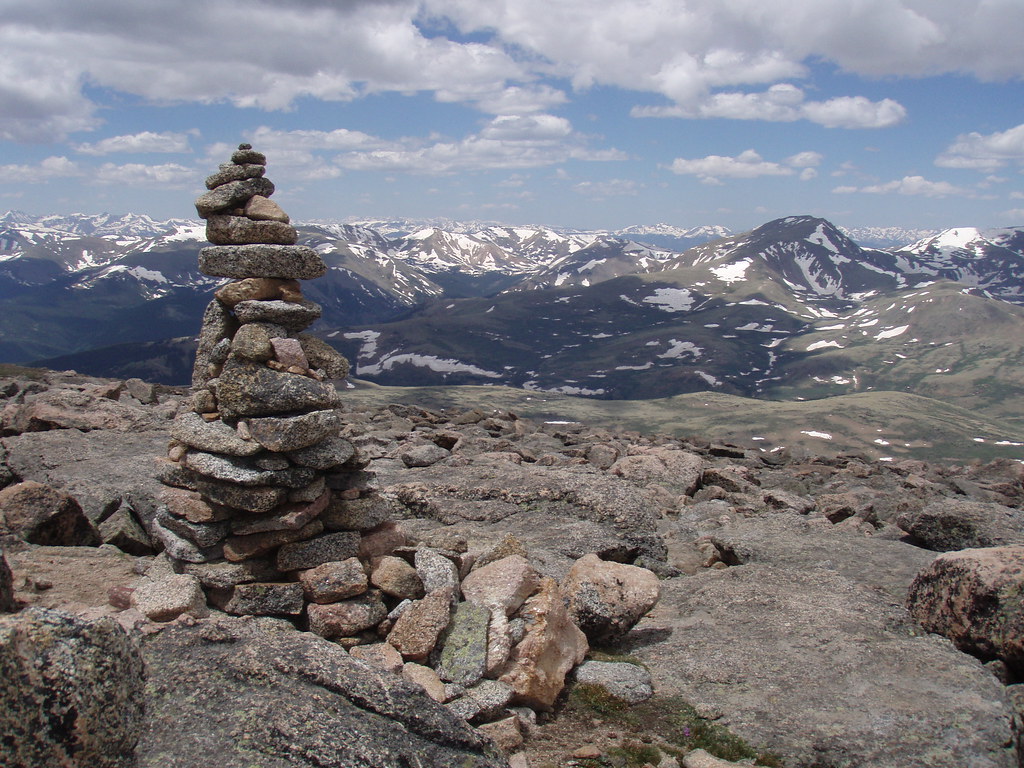
Quick side note, because I always wondered. CFI does not have a person at every trailhead with a clicker. They run infrared trail counters, thermal people-counters, at the trailheads of 23 peaks, then fold in checklists that hikers submit to 14ers.com. They compiled the 2025 estimates for the window between May 25 and Oct. 4.
They started small. First thermal counters went in on trails to five peaks back in 2014. Now they run about 20 infrared counters out there. So this is a decade of data at this point, which is what makes a 10-year low mean something instead of just a slow summer.
This is where the business angle sneaks in, and it is not small. CFI estimated fourteener hiking generated a statewide economic impact of $69.4 million in 2025. That figure comes from a Colorado State University study, and it is the gas stations, the diners in Fairplay, the motels, the coffee before a 4 a.m. start, all of it. So when access closes on a peak, that is not just fewer boots. That is money that does not show up in a mountain town.
Which is another reason spreading traffic to those 46 quieter peaks is not just a conservation play. It is an economic one for towns that never see the Bierstadt crowd.
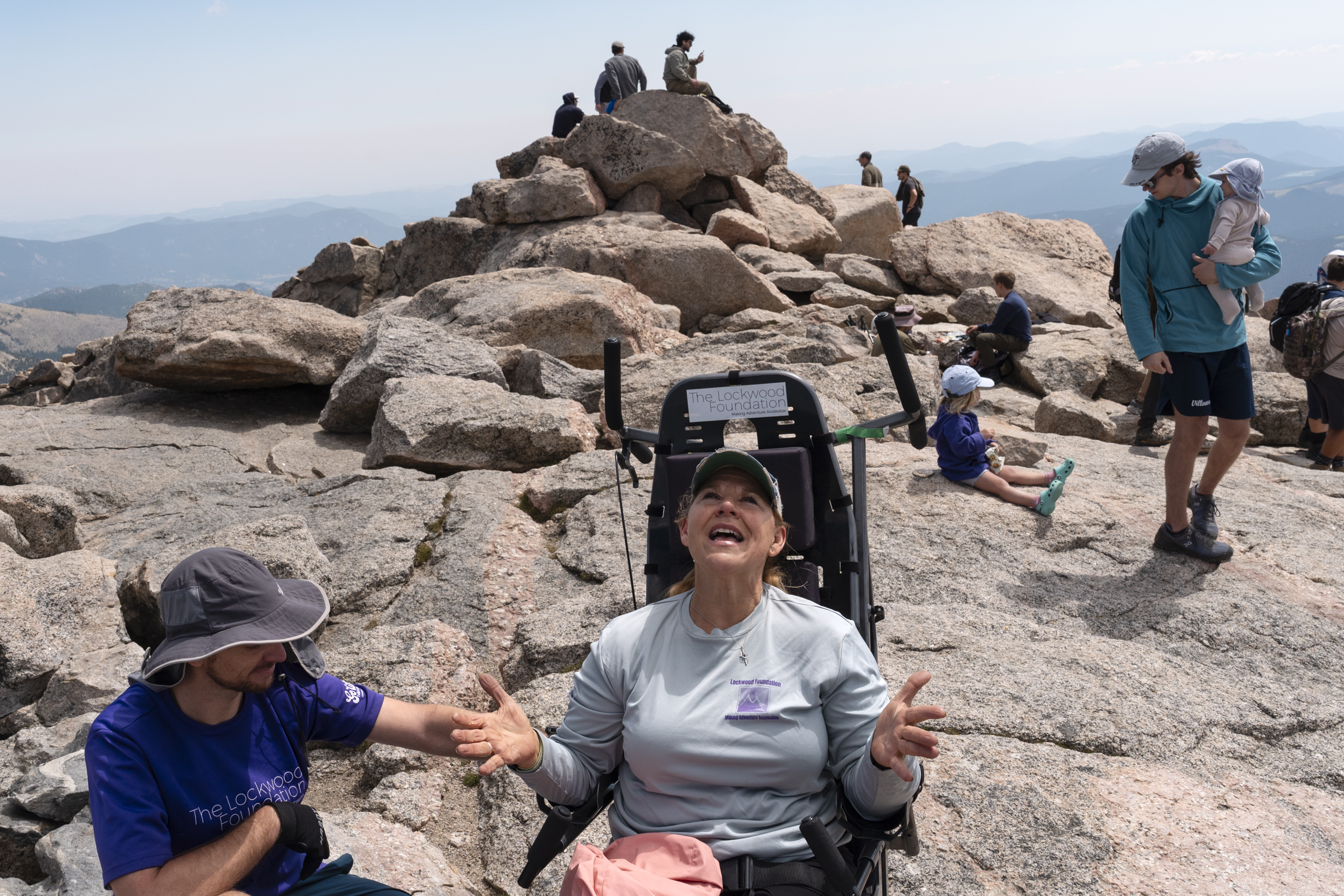
On Saturday, Aug. 1, 2026, a guy named Chris Layne got to the summit of Mount Blue Sky. Layne sustained a spinal cord injury in a 2016 hiking accident, and members of the Lockwood Foundation, a group that supports outdoor access for people with limited mobility, helped him up. His group was part of an effort to climb all of Colorado's 14,000-foot peaks in recognition of the state's 150th anniversary.
I keep coming back to that. In the same season the headline number hit a 10-year low, somebody made the summit who a lot of people would have said could not. That is the access story in a single image.
So no, Coloradans did not fall out of love with the fourteeners. The Colorado Sun ran Jason Blevins' full feature on all this at 4:10 a.m. on Aug. 13, 2026, and the takeaway holds up. Close a road, the number dips. Open the door wider, more people get up there. The mountains are not the problem. Getting to them is.