Events & Culture
 Revolutionizing · Modernizing · Simplifying
Revolutionizing · Modernizing · Simplifying
Revolutionizing · Modernizing · Simplifying
No dogs. No bikes. No horses. Ever.
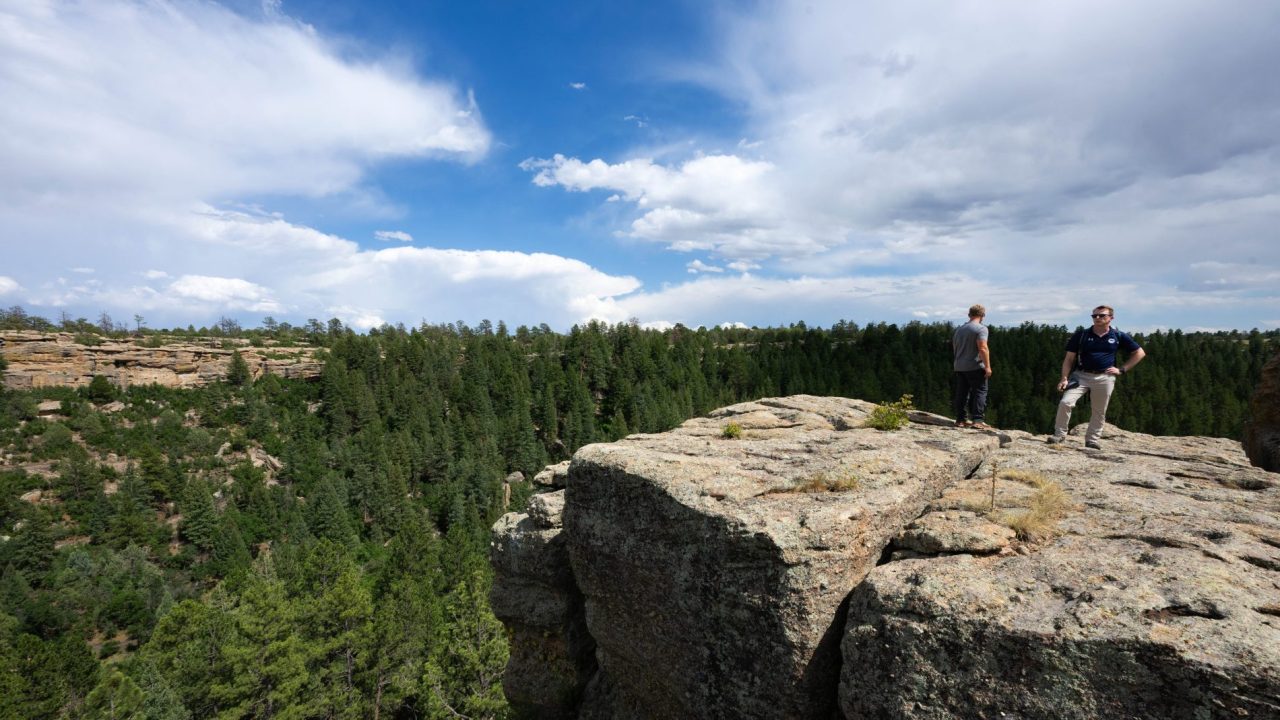
That is the rule at Lost Canyon Ranch, and before you get mad about it, hear me out, because what Castle Rock pulled off here is kind of wild. As of early October, the town's Parks and Recreation Department announced the Rustler's Ridge Loop is finished, which means the whole trail network is now open end to end. About 15 miles of hiking. All of it minutes from I-25.
And the catch, the dogs thing, is actually why this place feels the way it does.
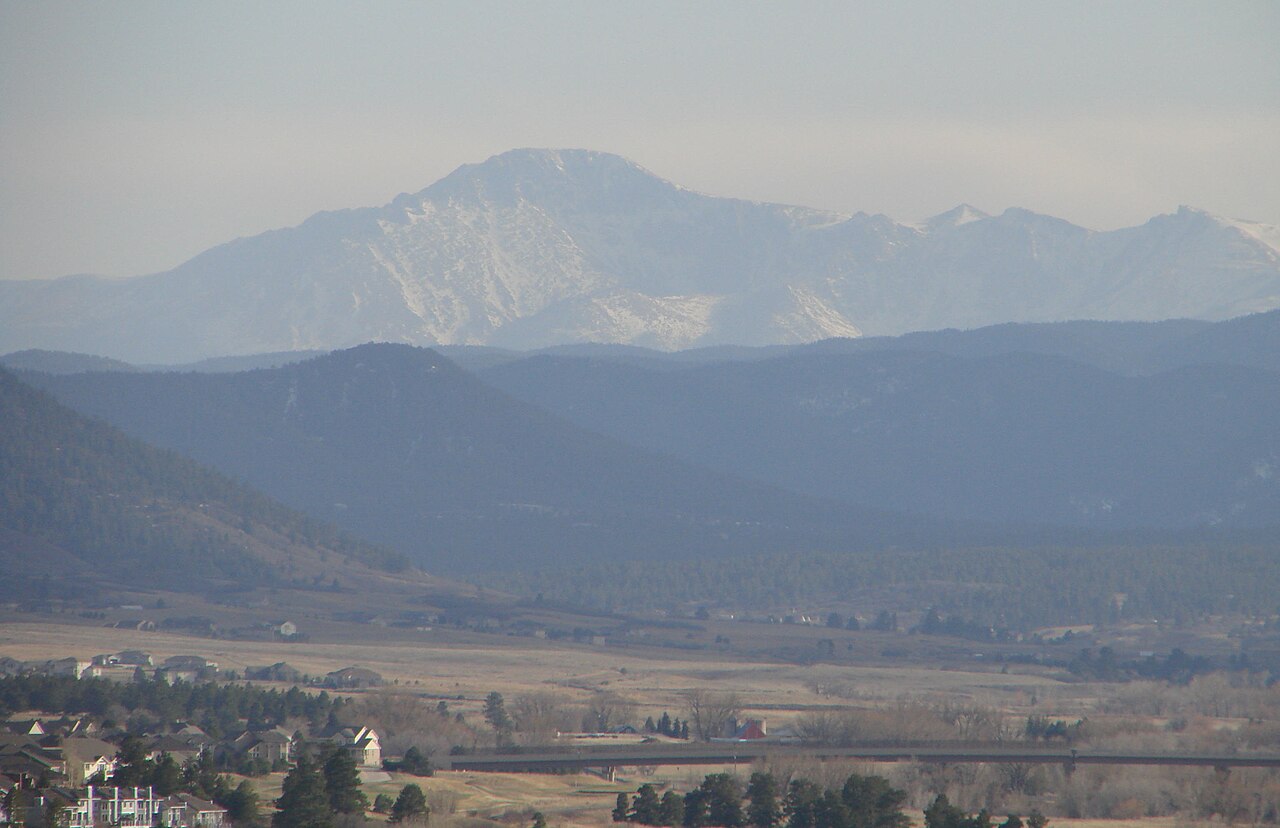
Lost Canyon Ranch sits on the southeast edge of town, 681 acres pressed right up against Castlewood Canyon State Park. The town's own site lists it at 716 acres, so somewhere in that range. Either way it is big. The Town of Castle Rock bought it in May 2024, and this was the largest open space purchase in the town's history. Not a close second. The biggest one, period.
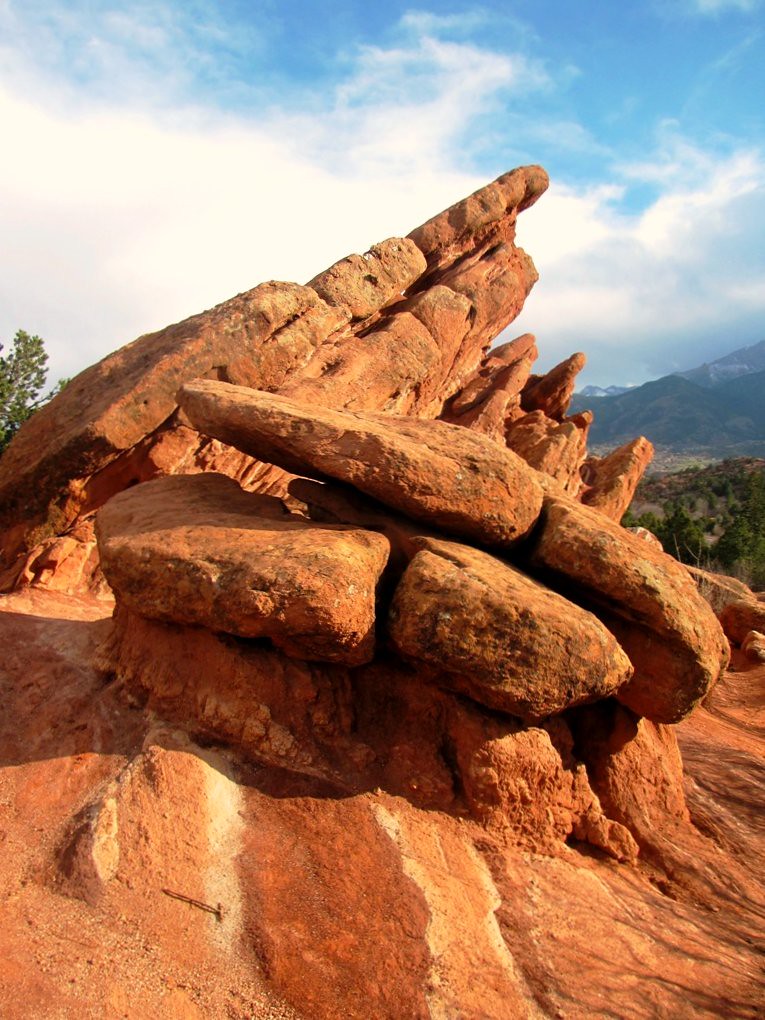
Assistant parks and rec director Jeff Smullen described it as "like the mountains in town," and honestly that is the right pitch. You get rolling grasslands, mixed coniferous forest, those exposed hoodoo rock formations, and real canyon cliffs. The whole thing is shaped by Castle Rock Conglomerate caprock, the same stuff that gives the town its name. So you are not driving to Summit County for a Saturday. You are taking an exit.
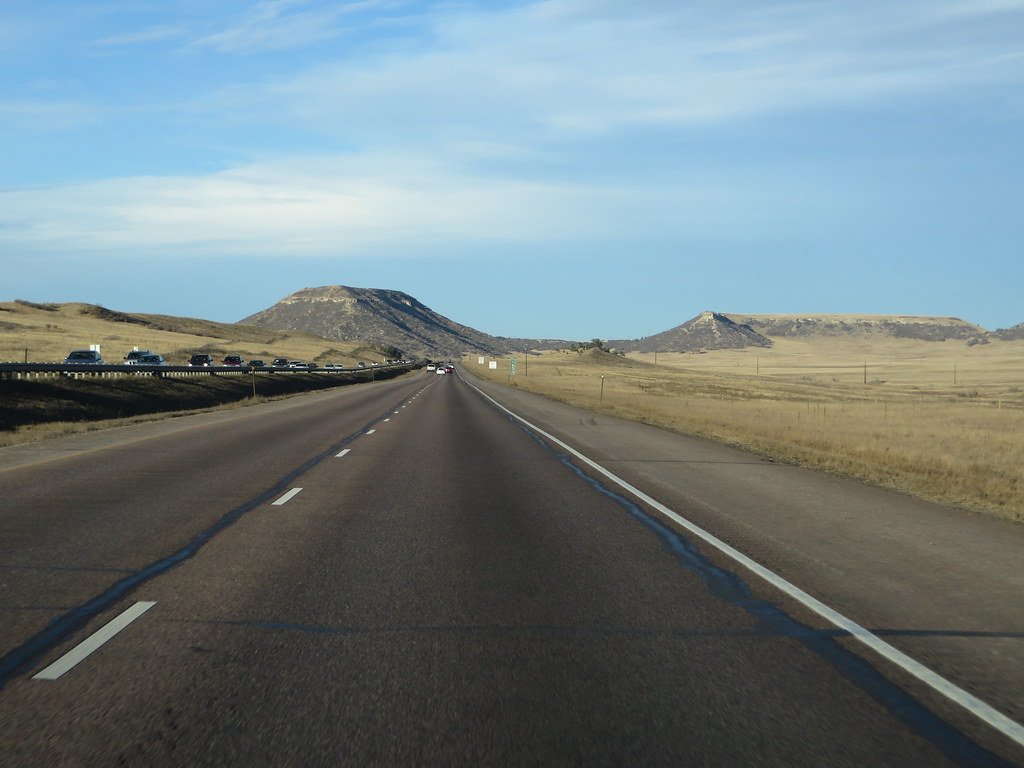
The address is 6581 Lost Canyon Ranch Road, Castle Rock, 80104. From I-25 you take Exit 181, Plum Creek Parkway, and head east through a residential neighborhood to get there. Which, side note, is a little funny. You wind past people's houses and then you are standing at the mouth of a canyon.
Here is the part people miss. The ban is not a "for now" rule the town can soften later when enough people complain. It is written permanently into a conservation easement held by the Douglas Land Conservancy that limits the land to passive recreation. Hiking only. No dogs, no horses on the trails.
So if you are the type who takes the pup everywhere, this one is off the list for good. I get it, I really do. But the flip side is a canyon where the wildlife is not getting pushed around and the trail is not a mountain bike highway. There is a trade, and the town made it on purpose.
The park first opened to the public on Monday, July 13, 2026, with about 10 miles of trail ready to go. Then the town kept building, adding roughly 5 more miles in phases, and the newest piece is the Rustler's Ridge Loop. That one is mapped at about 4.5 miles and roams the secluded southeast corner, though the town's July 2026 map lists a 2.2-mile Rustler's Ridge segment, so the signage and the loop math might read a little different when you are standing there. Phase 1 construction kicked off in fall 2025, which included the new trails, stabilized gravel interior roadways, and two trailhead parking areas.
Those two trailheads matter if you are planning a visit. There is the smaller Creekside Trailhead, room for about 30 vehicles, and the larger Cattleman's Trailhead up the road, planned for somewhere around 120 to 125 spaces. So if Creekside is jammed on a Saturday morning, keep driving.
The trail names are my favorite detail. Bootlegger's Loop. Rustler's Ridge. Cattleman's Trailhead. Those all nod to the ranch's actual Wild West and ranching past, and Parks Director Jeff Brauer said the naming lets the town tell Castle Rock's story for generations. Which is a nice way of saying somebody could have called these Loop A and Loop B and chose not to. Park planner Matt Roth and Smullen helped lead the project, and you can feel that somebody cared about the thing beyond just the dirt.
This did not happen with one checkbook. The acquisition was a partnership. The Town of Castle Rock, Douglas County, The Conservation Fund, Great Outdoors Colorado (GOCO), and the Douglas Land Conservancy all had a hand in it, with The Conservation Fund negotiating the actual purchase. That is the kind of stacked deal it takes now to lock up open land before it gets subdivided, and in Douglas County, where rooftops keep marching south, that pressure is real.
And that is the quiet real estate angle here. Every acre a town preserves is an acre that does not become more lots, and permanent open space like this tends to make the homes nearby more desirable, not less. People pay to live next to a canyon they can walk into. Hayley and I talk about this all the time with buyers. Proximity to protected land is a feature that does not get built over next year.
So go. Pick a weekend, take Exit 181, leave the dog at home (sorry), and give yourself a canyon that is going to look exactly like this in forty years. That is the whole point of the easement.
Buckle up. Castle Rock just handed the Front Range something that is not going anywhere.