 Revolutionizing · Modernizing · Simplifying
Revolutionizing · Modernizing · Simplifying
Revolutionizing · Modernizing · Simplifying
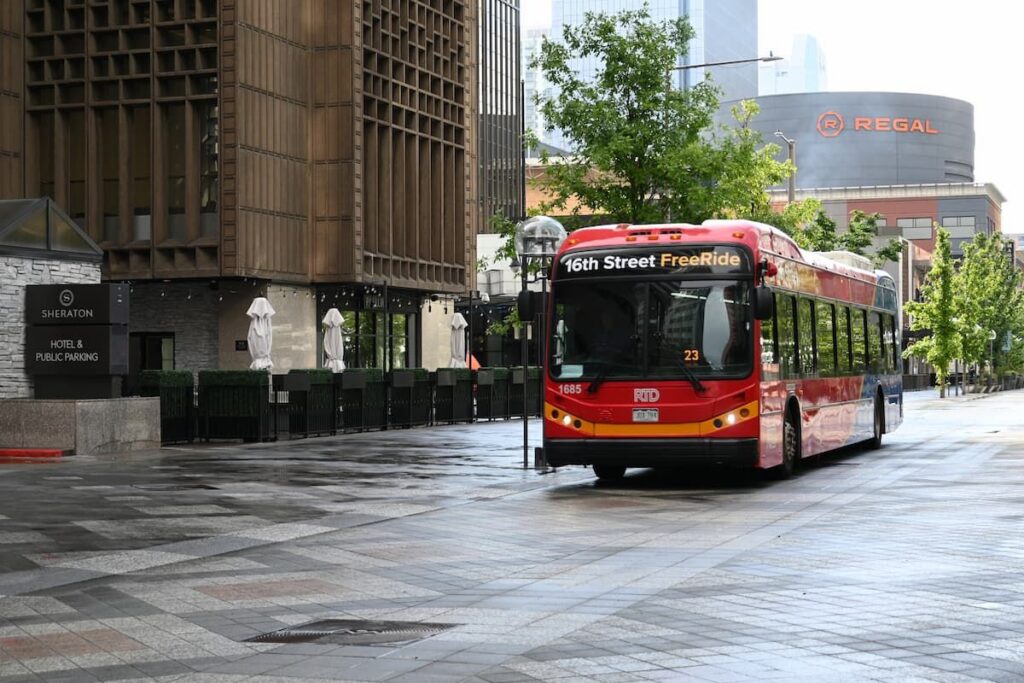
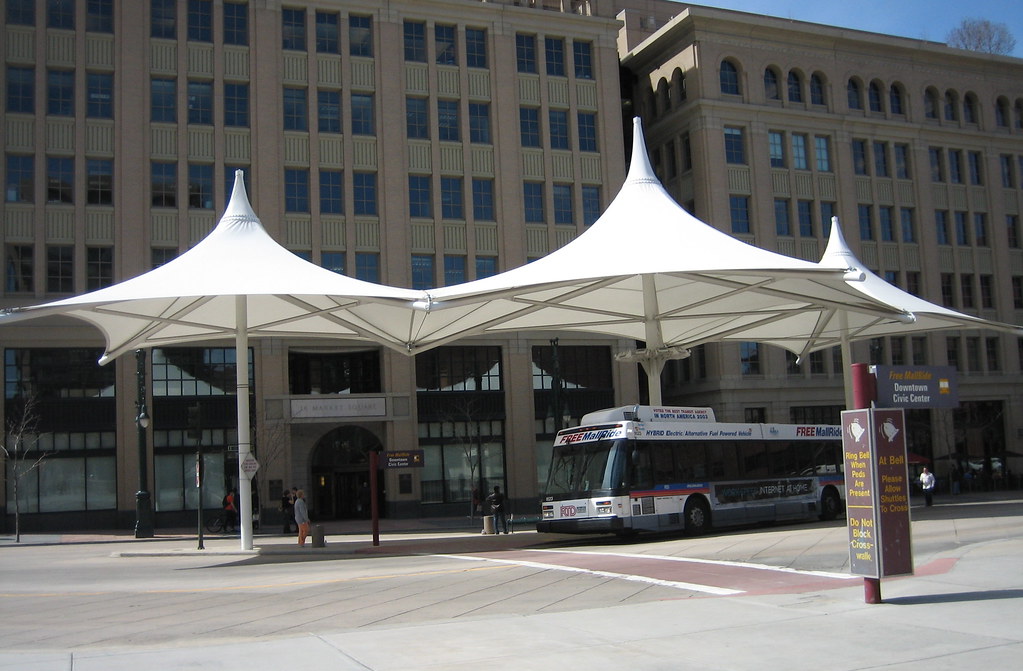
2.3 million people. That is how many folks boarded the free 16th Street shuttle last year. Every block between Wewatta Street and Broadway, waits as short as four minutes, no fare, no fuss. It is one of the most-used pieces of transit in the whole metro.
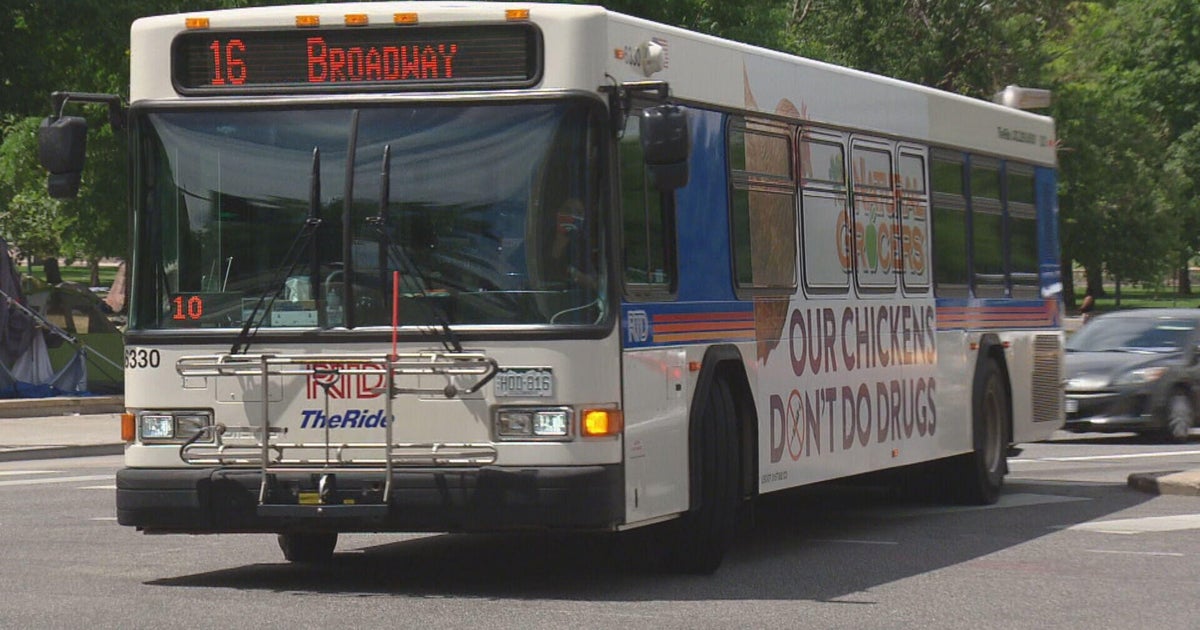
And RTD just put it on the table to kill.
Here is what actually happened. On Tuesday, July 28, 2026, the full RTD board voted 9-6 to recommend moving forward with
RTD is staring down a structural deficit of roughly
Why? Ridership fell off a cliff. Total ridership across RTD's bus, light rail, and commuter rail dropped nearly 42% from 2021 through 2024 compared with the 2017 to 2019 window. That is the data RTD itself submitted to the Federal Transit Administration. Fewer riders, less fare revenue, same trains and buses to run. You do that math for a few years and you get a
So staff modeled five service-reduction scenarios, ranging from doing nothing all the way up to a 20% cut. That worst-case 20% version would slash service on 19 routes, discontinue 39 routes entirely, and save upward of $62 million. And here is the number that should get your attention if you ever walk downtown. The 16th Street FreeRide gets eliminated in four of the five scenarios. Four out of five. That makes it a leading candidate for the axe, not a long shot.
Now, RTD CEO Debra Johnson kept stressing at committee meetings that these cut scenarios were "illustrative." Her word. The route discontinuations were only examples, she said. Fine. But when your example keeps landing on the same free shuttle four different ways, people notice.
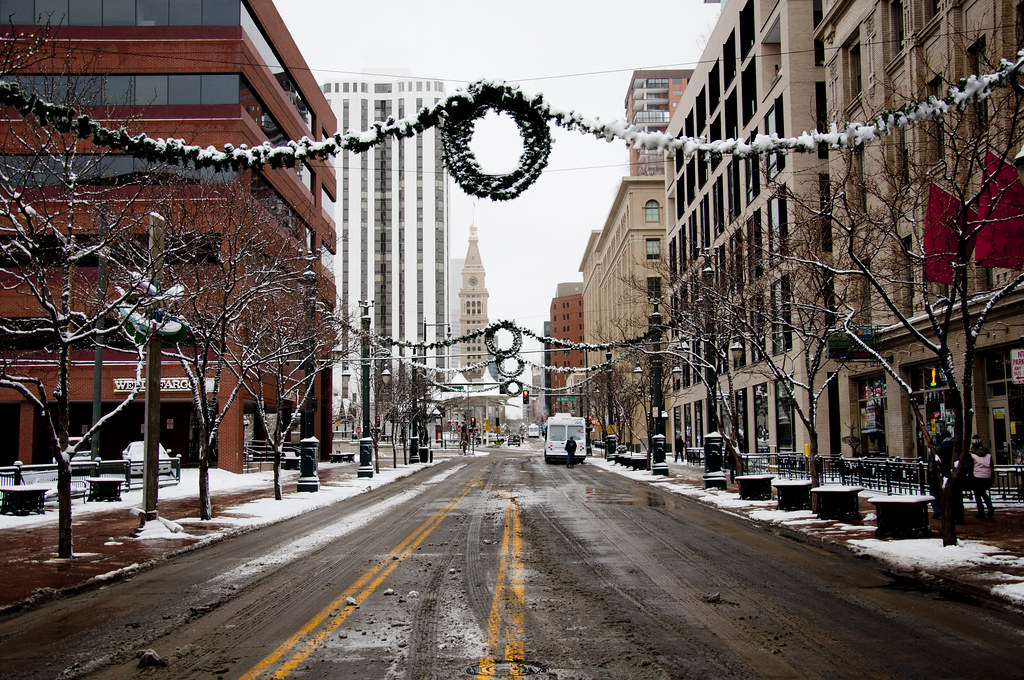
And the pushback came fast. Kourtny Garrett, CEO of the Downtown Denver Partnership, urged RTD to spare the FreeRide. Her point was simple and hard to argue with. Boardings have nearly doubled to more than 250,000 since the 16th Street construction finally wrapped up. You spend all that time and money tearing up the street and rebuilding it, the ridership comes roaring back, and now you want to cut the bus that runs down the middle of it? That is the timing problem.
Denver Mayor Mike Johnston pushed back too, along with a stack of transit advocates, calling the 16th Street service a critical link for downtown. Which, honestly, it is. You pull that shuttle and you are asking a lot of people to either walk the full mile or just not come downtown at all. Neither of those helps a district that has been clawing its way back.
Side note for anyone watching downtown real estate. The FreeRide is not just a convenience. It is connective tissue for the whole 16th Street corridor, the office towers, the ground-floor retail, the residential that keeps getting pitched. Cut the free ride and you weaken the case for every block it touches. That is the quiet stakes underneath the transit headline.
It is not just the FreeRide. Several FlexRide bus routes are flagged for possible elimination, and so are the B Line and R light rail lines. So if you commute on rail out of the north metro or ride the R through Aurora, this vote is your business too.
RTD says it has already cut 80 positions from the agency. They tried closing the gap by raising fares, and the board could not reach agreement on that. So now the pressure lands on service instead of on your ticket price.
The timeline: service changes take effect no later than May or June 2027, once next year's budget gets finalized. So nothing changes tomorrow. But the direction is set.
Here is the part that could change everything. Some board members floated refinancing RTD's existing debt instead of cutting service. Take on new debt, restructure the old, and buy time. That move would potentially set the stage for a 2028 ballot measure, which is basically RTD going to voters and asking for more money to fund the system.
So that is the fork in the road. Cut service now and hope ridership survives it. Or refinance, protect the routes, and roll the dice with voters in 2028.
My read? A 9-6 vote is not a mandate. That is a board split right down the middle, which tells you this fight is not over. The FreeRide has a mayor, the Downtown Denver Partnership, and 2.3 million annual riders in its corner. That is real leverage.
We will be watching every board meeting between now and that final budget. Because the version of downtown Denver you get in 2027 depends a lot on which way these six votes swing.