 Revolutionizing · Modernizing · Simplifying
Revolutionizing · Modernizing · Simplifying
Revolutionizing · Modernizing · Simplifying
A guy once charged
In the 1950s. Think about that number. That was serious money, the kind of fee you only command when big companies and big architects decide you are the person who makes their work look like the future.
His name was Winter Prather. And most people in this city have never heard it, which is exactly the thing History Colorado is about to fix.
Here is the headline. "Mid-Century Modern Denver: The Photography of Winter Prather" opens Oct. 16, 2026, at the History Colorado Center, 1200 N. Broadway, and it runs all the way through Sep. 19, 2027. Nearly a full year. That is not a hallway-case afterthought. That is a real exhibition for a man History Colorado flat-out calls a "lost master" of American modernist photography.
Small timing note that tells you how they feel about him. The Prather show opens just two days before their blockbuster "Moments That Made US" closes on Oct. 18. So as one giant leaves the building, this quiet guy with the color negatives walks in.
Winter Phillips Prather was born May 13, 1926, in Pontiac, Michigan. Only child. His parents were Louise Agnes Winter and Allen Ransom Prather, and yes, his mother's maiden name is where "Winter" comes from.
He was a Denver guy early. He went to the University of Denver and graduated in 1945 with a BA in history (DU history degree, which, side note, I respect). Then he stuck around for graduate coursework in art and art history. Self-taught as a photographer, but you would never guess it from the work.
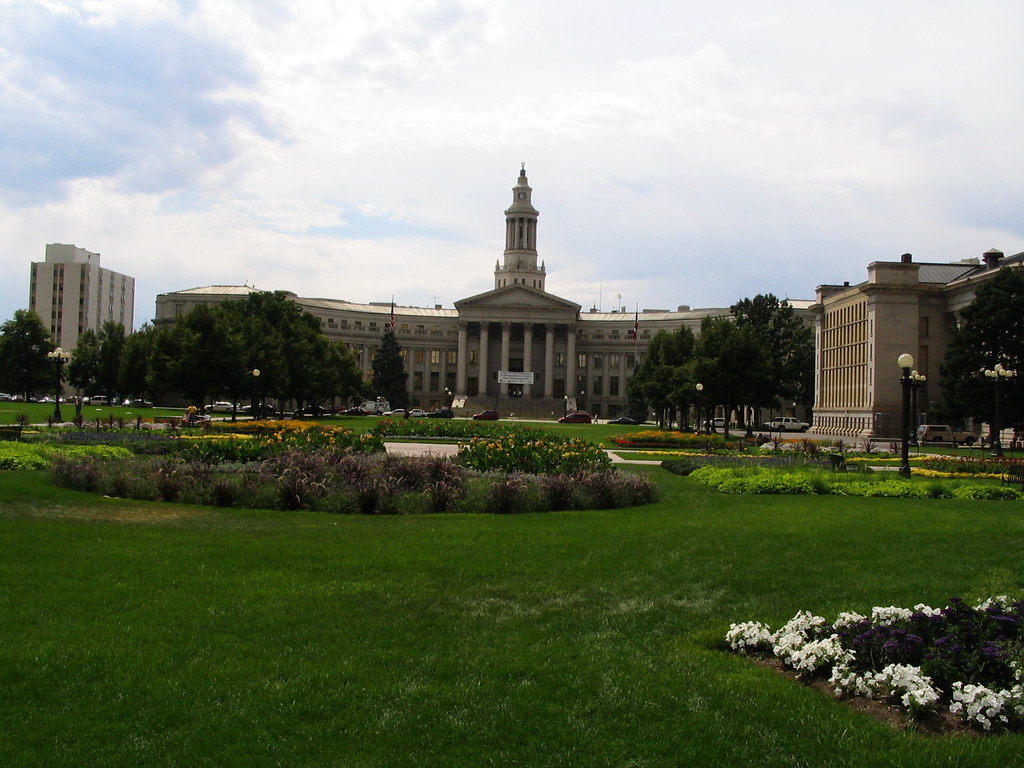
From the 1940s into the 1970s he worked Denver and Taos, New Mexico, and he pointed his camera at the exact moment this city was changing its whole face. Postwar Denver was ripping down the old and putting up glass towers and these sleek, clean mid-century modern interiors. Prather documented all of it. In color. Vivid, saturated color, back when a lot of serious photographers were still married to black and white.
This is the part people miss. Prather was not some hobbyist shooting pretty buildings on weekends.
His commercial clients included the Carborundum Company, the Mithun Ad Agency and Johns Manville. He collaborated with architects, and one of them was Gio Ponti. If that name rings a bell, it should. Ponti designed the Denver Art Museum. So Prather was in the room with the people literally drawing the shape of modern Denver.
And his photos ran everywhere that mattered. Camera. Modern Photography. Domus. American Heritage. Holiday. That is a resume.
He also liked to mess with the image. In the darkroom he would do double exposures, print positives as negatives, experiment in ways that make the work feel less like documentation and more like somebody actively playing. Which is probably why it still looks fresh.
Here is where the story turns, and it is a hard turn.
By the 1980s the work dried up. Prather had trouble getting jobs. The
He died in 2005. Lost. Obscure. The whole arc from
So how are we even talking about him?
Because the institution gave him his second act. History Colorado holds the most comprehensive collection of Prather's work anywhere, and it took real effort to make it public. The collection was processed through a 2015 NHPRC Access to Historical Records grant, part of History Colorado's 20th-Century Photograph Collections Project. That is the unglamorous back-office work, grant money and archivists and careful hands, that decides whether a man's life gets remembered or thrown in a dumpster.
They chose remembered.
I come at this with a real estate brain, so stick with me. Half the buildings people fawn over in Denver right now, the clean-lined mid-century stuff that drives up asking prices in certain neighborhoods, that look did not fall out of the sky. Somebody had to sell postwar Denver on glass and steel and open floor plans. Photographers like Prather are part of how that aesthetic got into magazines and into people's heads and, eventually, into what buyers will pay a premium for today.
So when you walk a mid-century listing and feel that pull, you are feeling something Prather helped build the image of seventy years ago. He just never got to cash in on the long tail of it.
The show is free with admission to the History Colorado Center at 1200 N. Broadway. Go between Oct. 16, 2026, and Sep. 19, 2027. Stand in front of that color work and remember the man behind it went from a grand a day to nothing, and only got his flowers two decades after he was gone.
Worth your attention, if you ask me. Some masters you only recognize on the way back out.