 Revolutionizing · Modernizing · Simplifying
Revolutionizing · Modernizing · Simplifying
Revolutionizing · Modernizing · Simplifying
Colorado tried to become a state five times. Five. Over fifteen years. And it kept losing.
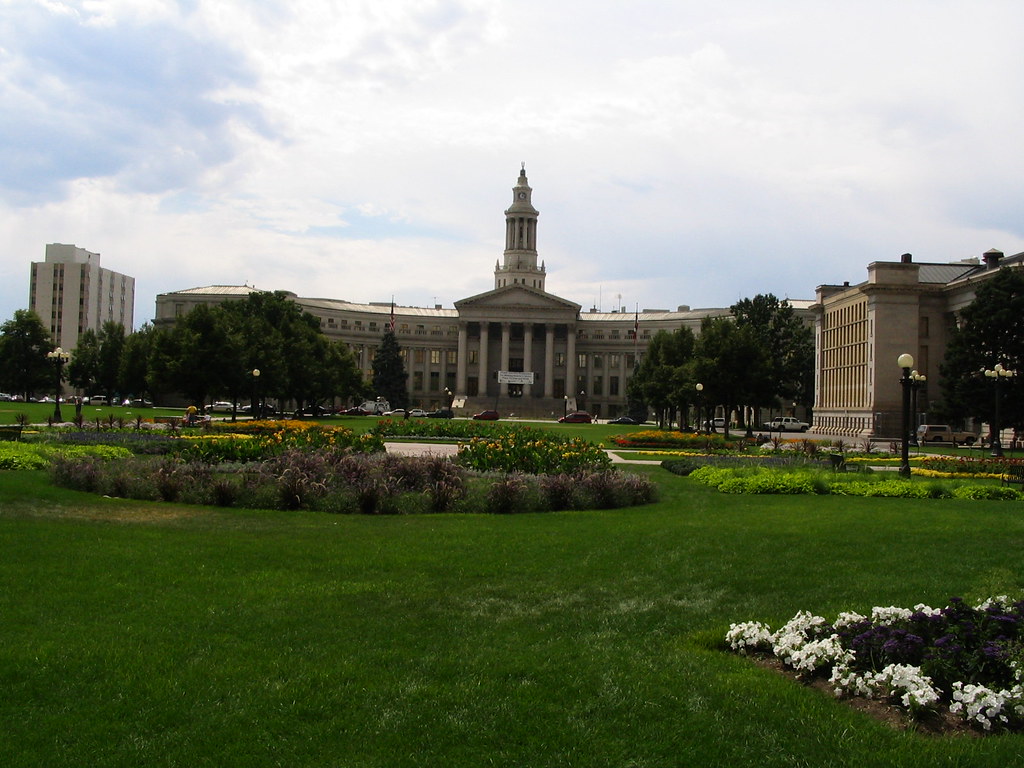
Most people do not realize how close we came to just staying a territory forever. We finally made it on August 1, 1876, four weeks after the whole country threw itself a giant birthday party for its 100th. That timing is why we are the Centennial State. The 38th star on the flag. But the road there was a slog, and History Colorado is telling that whole winding story right now over at the History Colorado Center in Denver.
So here is the thing. 2026 is a rare year. It is the nation's 250th and Colorado's 150th at the same time. A dual anniversary that does not come around, well, ever. And History Colorado went big for it.
The centerpiece is called 'Moments That Made US,' and it is open now through October 18, 2026. This is the one you do not want to sleep on.
More than 50 artifacts. Eight centuries of American history. Borrowed from some of the most prominent institutions in the country, and a lot of these objects have never been exhibited together, let alone in Colorado. They traced 50 pivotal turning points in U.S. history and pulled the physical stuff from each one into a single room.
Dr. Gwen Lockman, the senior exhibition developer at History Colorado, called it 'once in a lifetime.' Her point was simple. These items have never all been in one room until now. Different museums, different states, different centuries, and somebody talked all of them into shipping the goods to Denver at the same time.
That does not happen. When it does, you go.
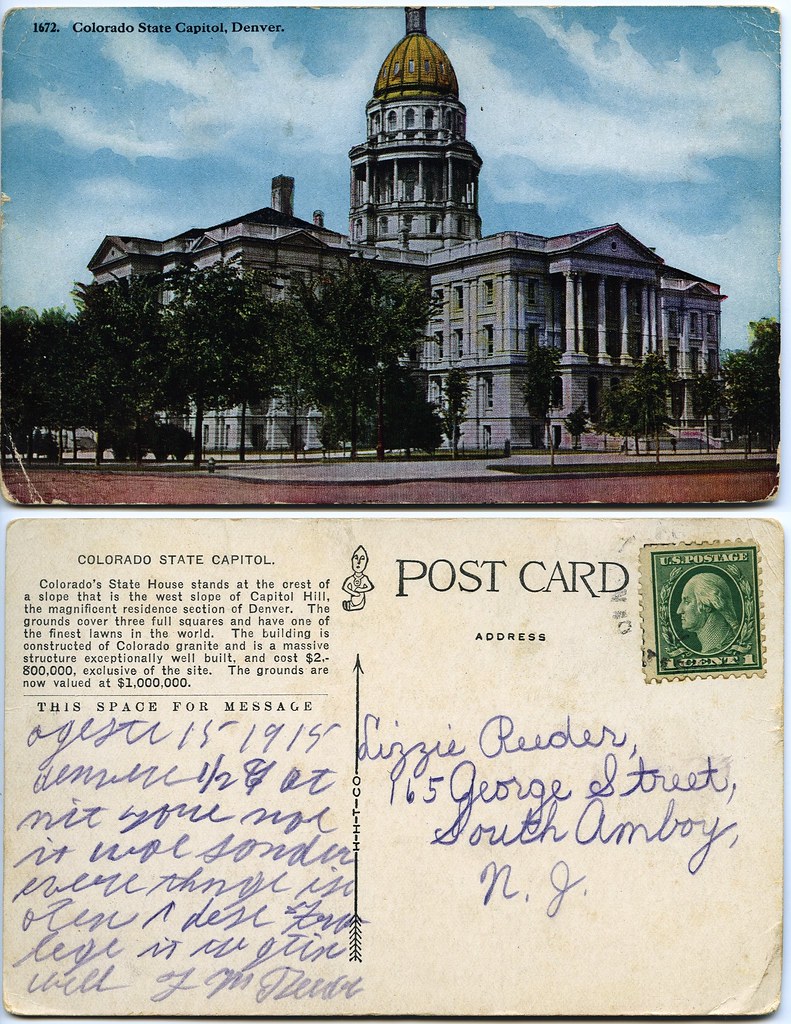
Running alongside it is '38th Star: Colorado Becomes the Centennial State,' and this is the one that scratches my history itch.
Fifteen years. Five attempts. Colorado kept knocking on the door and kept getting told no. Politics, timing, the mess of the era, all of it. And then finally, August 1, 1876, we get in as the 38th state, riding the wave of the country's 100th birthday. The whole thing is a lesson in how a place you now think of as permanent almost did not happen on schedule.
There are two more exhibitions rounding out the commemoration on top of that one, so the building is loaded right now.
Daily hours are 10 a.m. to 5 p.m. Straightforward.
Here is a detail worth knowing. History Colorado is not funded by the Scientific and Cultural Facilities District, the SCFD tax dollars that prop up a lot of Denver's museums. So its free days are underwritten by donors and sponsors instead, which means they are rarer and worth circling on the calendar.
Colorado Day on August 1 was one of them, but that has already come and gone this year. The one still left in 2026 is Night at the Museums on November 7. That is your free shot.
And if you want the strange side of Colorado, mark September 25.
That Friday, from 6 to 10 p.m., the same building hosts Creeporado: An Evening of the Strange and Unusual. It is a 21-plus night built around the most bizarre corners of state history, and they curate the whole thing with History Colorado's own 'haunted doll' character. A haunted doll. As a host. I mean, that alone is worth the price of admission if you ask me. Hayley is already asking if we are going, which tells you everything.
Look, museums put out new exhibits all the time. Most of them will be there next year, and the year after that. You can always go later.
This is not that. The artifact show closes October 18, and once these 50-plus objects head back to the institutions that loaned them, they scatter across the country again. The odds of this exact group ever standing in one room a second time are basically zero. That is the whole reason Lockman used the words 'once in a lifetime,' and she is not the type to throw that phrase around loosely.
So you have got a few more weeks. Eight centuries of American history in one Denver building, most of it never shown in this state before, sitting a short walk from downtown. Pair it with the '38th Star' show and you get the national story and the Colorado story in the same afternoon.
Denver keeps growing, keeps changing, keeps building. Neighborhoods turn over, and the people moving here by the thousands do not always know the fight it took just to get Colorado onto the map in the first place. Five tries. Fifteen years. One late-summer day in 1876 that barely made the deadline.
Go see it before the clock runs out on this one.