 Revolutionizing · Modernizing · Simplifying
Revolutionizing · Modernizing · Simplifying
Revolutionizing · Modernizing · Simplifying
Stand on the banks of the Arkansas River in Pueblo and you are standing on an old international border. For real. That water once marked the line between the United States and Mexico. People farmed on it, traded on it, buried family near it, and most folks driving through Pueblo today have no idea they are crossing a place that used to be two countries.
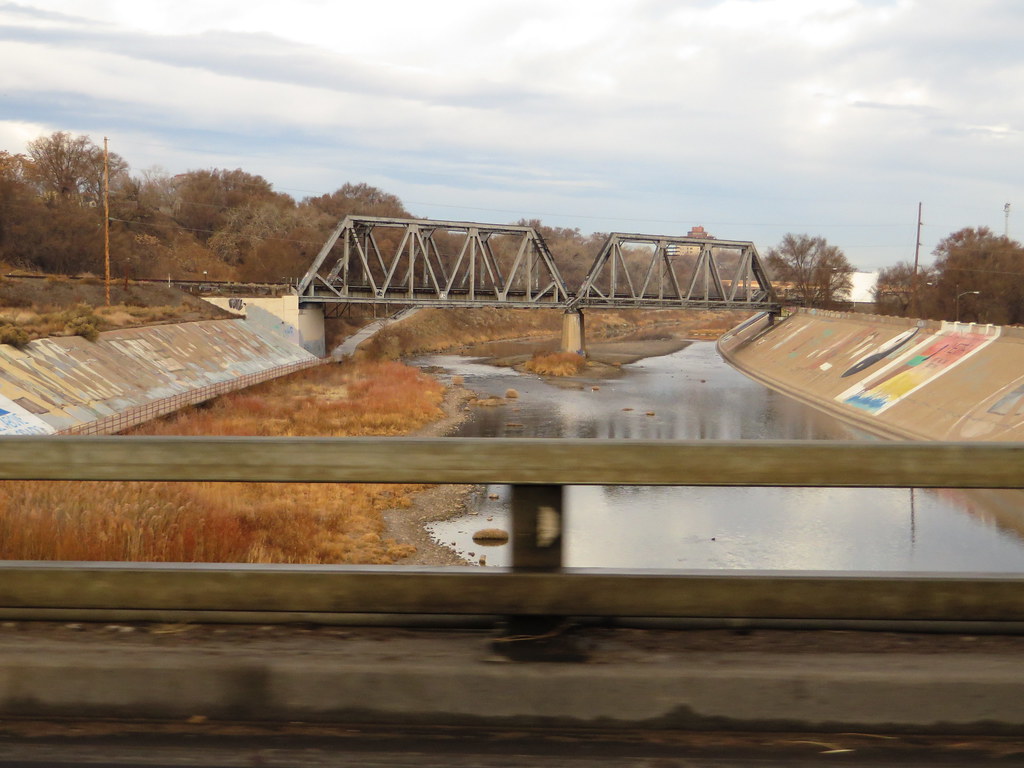
That is the ground El Pueblo History Museum sits on. And this Hispanic Heritage Month, History Colorado is doing something with that ground that is worth your attention.
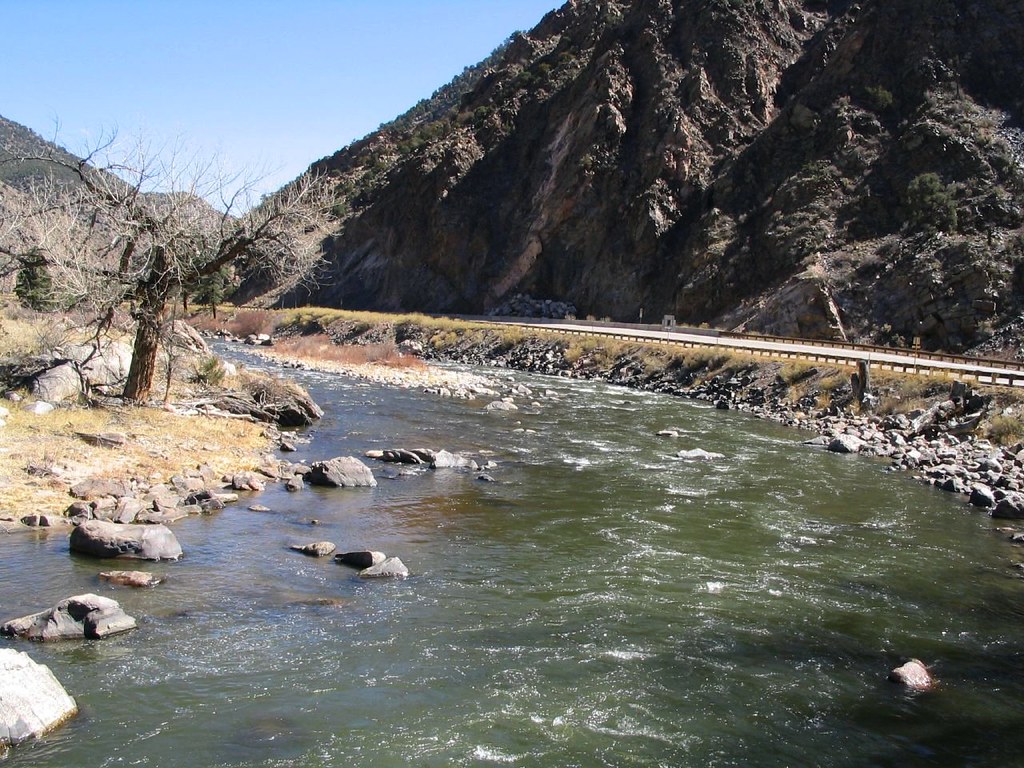
Avondale is tiny. It is a farm town east of Pueblo, the kind of place you pass without slowing down. But History Colorado has been sitting with the people who actually built their lives out there, collecting their stories through something called the Avondale Museum of Memory project.
That work turned into an exhibition. It is called "Avondale: Fields of Devotion," and here is what makes it different. This is not a wall of dates and dead men in oil paintings. It is historic photographs, real artifacts, and the actual voices of Avondale residents telling you what it was like to grow up on those fields. The devotion in the title is not a metaphor. These were people devoted to land, to family, to a place that never got its own museum until now.
Most people do not realize how much history lives in a town that small. That is the whole point. The stories were always there. Somebody finally wrote them down and hung them on a wall.
Now here is the part that hit me.
There is a group in Pueblo called the Latino Veterans Legacies of Courage Committee. They have been honoring local Latino veterans for a decade. Since 2015, their Legacies of Courage Award has recognized 58 veterans. Fifty-eight. And five more honorees are getting inducted this year.
Think about that math for a second. That is a small city quietly producing generation after generation of service, and a handful of people making sure none of those names disappear.
So the committee teamed up with El Pueblo History Museum and the Sangre de Cristo Arts and Conference Center to build a new photographic exhibition featuring past honorees. Faces. Names. The men and women behind the award. It opened at the museum at 4:30 in the afternoon on Tuesday, September 15, with a ribbon-cutting run in partnership with the Latino Chamber of Commerce and the Greater Pueblo Chamber.
I love that it took three organizations and two chambers to pull this off. That is how you know it matters to the town. Nobody throws that kind of weight behind a photo wall unless the people in the photos mean something.
Let me back up to that riverbank, because the address here is not an accident.
The museum takes its name from the original El Pueblo Trading Post, built in 1842. That trading post was the first permanent settlement in what is now Pueblo. It ran fur trade along the Santa Fe Trail, it sat right on the water, and then it got abandoned and eventually demolished as the city of Pueblo grew up around its ruins. The town literally buried its own beginning.
So you have this layered thing happening. A trading post from 1842 on a river that used to be an international border. A modern museum built on top of that memory. And inside it, right now, the stories of farm families from Avondale and Latino veterans who served a country whose border once ran through their backyard.
That is not a coincidence you plan. That is history stacking up in one spot over almost two hundred years, and a museum smart enough to stand on all of it at once.
Here is the thing about southern Colorado that people up in Denver miss. Pueblo has been telling its own story for a long time, on its own terms, without waiting for permission. The Avondale project, the veterans committee, the two chambers showing up for a ribbon-cutting. This is a community doing the work of preservation itself.
The exhibitions run through Hispanic Heritage Month and into Day of the Dead, part of a full slate History Colorado announced back in a September 3 press release. Fiestas, chiles, the whole thing. If you want the specifics on dates and programming, the media contact is Angelika Albaladejo, Communications and Public Relations Manager at History Colorado.
But honestly, the reason to make the drive down I-25 is simpler than any event listing. You walk in, you see an Avondale farm family in a photograph, you see 58 veterans who came out of one region, and you are standing on the exact riverbank where the border used to be. All at once. In one building.
Hayley and I have said it before about southern Colorado. The best stories in this state are not the ones getting the loudest coverage. They are the ones a small town decided to save because nobody else was going to. Pueblo just did that. Go see it before Day of the Dead wraps.