 Revolutionizing · Modernizing · Simplifying
Same spot. Different story.
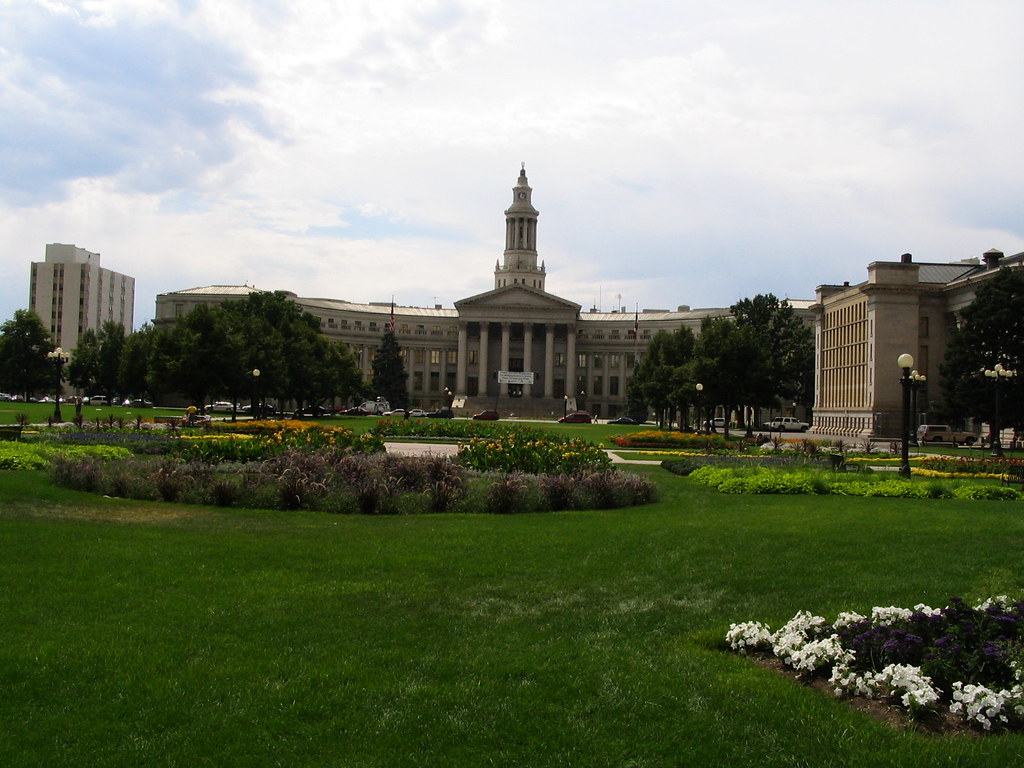
For decades, if you walked up the west steps of the Colorado Capitol, you passed a Civil War monument called "On Guard." Bronze soldier, rifle, the whole thing. And down on the plaque, tucked into a list of Colorado's Civil War victories, was the "Battle of Sand Creek."
Battle. That is the word somebody chose.
Here is the thing most people do not realize. It was not a battle. A Congressional investigation the very next year, in 1865, called it a massacre. On Nov. 29, 1864, Colorado troops attacked a camp of Cheyenne and Arapaho people who had been told they were under the protection of the U.S. government. Chief Black Kettle was flying an American flag and a white flag over his lodge. The soldiers killed mostly women, children and the elderly anyway.
And for 156 years, that monument stood out front calling it a win.
In 2020, during the George Floyd racial justice protests, "On Guard" got toppled. Pulled right off its base.
So now there is an empty spot in front of the west steps. And what is going there is the opposite of what used to be there.
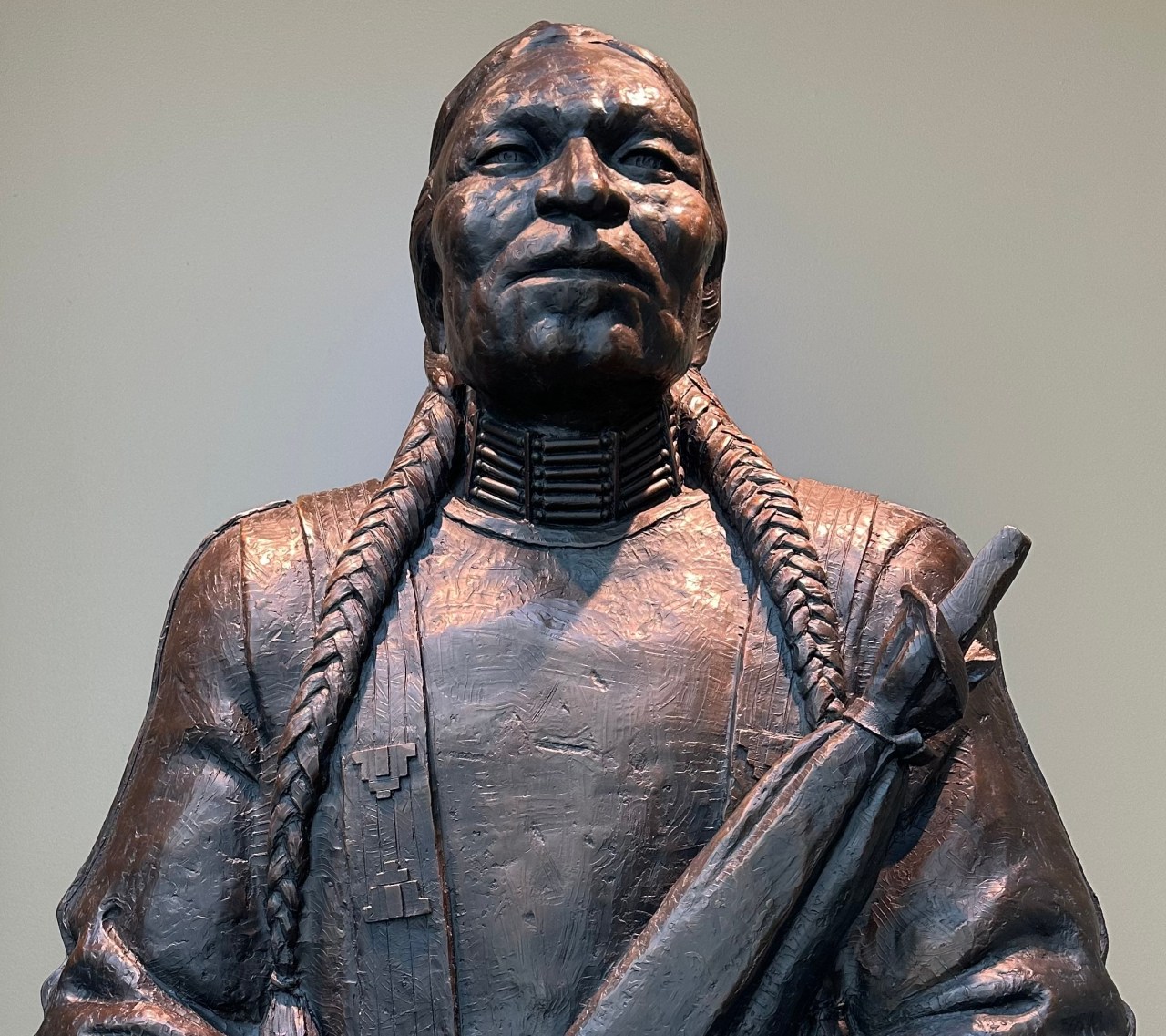
It is called "Peacekeepers." A memorial to the Sand Creek Massacre, built by sculptor Gerald Anthony Shippen, going in the exact place the old monument stood. The first of three figures, a larger-than-life sculpture of Black Kettle himself, the chief who survived that morning, was already unveiled back in October at the History Colorado Center on Indigenous Peoples' Day. The finished piece will also include Medicine Woman, Black Kettle's wife, holding a baby, and Arapaho Chief Left Hand. The whole thing gets installed in November 2027.
But the site dedication, the moment the ground itself gets claimed, that happens Sunday, Nov. 29, 2026. Ten a.m. West steps of the Capitol. Per Westword's Nov. 26 report.
And this is the part that gives me chills.
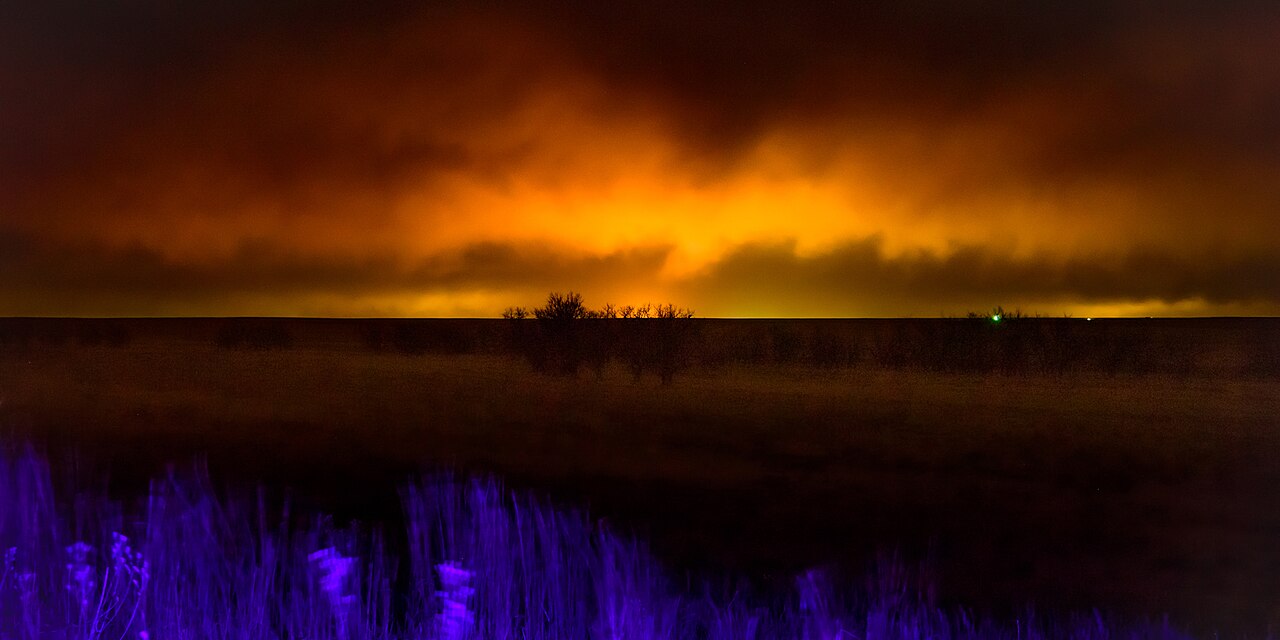
The dedication is not a ribbon-cutting with folding chairs and a microphone. It is the final day of the Sand Creek Massacre Spiritual Healing Run. The run starts at sunrise on Nov. 26 at the Sand Creek Massacre National Historic Site out near Eads, way out on the eastern plains. Then it covers more than 170 miles to Denver.
On foot. Tribal-led. Members of the Northern Cheyenne, the Northern Arapaho, and the Cheyenne and Arapaho Tribes of Oklahoma. Descendants have organized this journey every year since 1999. So this is not new for them. They have been carrying this for a long time, long before the rest of Colorado caught up.
On the morning of Nov. 29, before the runners reach the Capitol, there is an 8 a.m. ceremony at Denver's Riverside Cemetery. That one honors Silas Soule. Remember that name. Soule was the officer who refused to order his men to fire on the camp. He told them to hold. He later testified about what he saw, and he was murdered on a Denver street for it. So the runners stop at his grave first, then they come to the Capitol.
A couple of things lined up here, and they are worth your attention.
Back in 2014, on the 150th anniversary of the massacre, then-Governor John Hickenlooper stood up and formally apologized to descendants on behalf of the state. He also announced plans for a monument. That was twelve years ago. These things move slow.
The memorial got unanimous approval from the Colorado State Legislature and Governor Jared Polis. History Colorado, led by CEO Dawn DiPrince, has been part of the campaign the whole way, and they will be at the Capitol on Nov. 29.
And the timing is not an accident. This dedication lands on Colorado's 150th anniversary of statehood. So the state turns 150, and in the same year, right out front of its own seat of government, it stops calling a massacre a victory. I mean, think about what that says about who gets to write the official version of a place.
Descendants are traveling in from Oklahoma, Wyoming and Montana to be there. That is a long way, and it costs money. The Sand Creek Massacre Foundation is raising funds for travel, lodging and meals so families can actually make the trip to stand on that ground. If you want to put your name on something real this year, that is a good place to do it.
Look, I write a lot about Denver history on here, and most of it is feuding families and old scandals and who sued who over a water right. Fun stuff. This one is different. This one is a 162-year-old wound getting named out loud, in bronze, in front of the building where the decisions got made.
So on Sunday, Nov. 29, the runners come down off the plains. They stop at Silas Soule's grave. Then they climb the west steps where a statue once lied about them, and they bless the spot where the truth is finally going to stand.
If you are anywhere near downtown that morning, go. Stand there. Ten a.m.