Events & Culture
 Revolutionizing · Modernizing · Simplifying
Christmas night, 1901. Cripple Creek. A gold miner named James Roberts walks into a bar owned by a man named William Brooks, and he does not walk back out.
Brooks hit him with the butt end of a Colt .45. Roberts went down, cracked his head on a heating stove, then hit the floor. And here is the part that still gets me. The other patrons did not call for help. They jeered. They told a dying man to get up and come have a drink at the bar. Somebody finally sent for a doctor. Way too late.
That is where most stories end. A bar fight, a body, a sad little obituary. But this one keeps going, because a piece of James Roberts is still in Cripple Creek right now, and you can go look at him for the price of admission.
Brooks had a defense attorney named J. Maurice Finn, and Finn was not going to argue that his client did not swing the gun. Everybody saw that. Instead he argued the real killer was Roberts' own head.
The theory went like this. Roberts had an abnormally thin skull. A normal man, Finn claimed, takes that same blow and walks it off. So the fatal factor was not the Colt .45, it was the bone.
Now, to sell a jury on a thin skull, you need the skull. And this is the detail that tells you exactly what kind of lawyer Finn was. Under cover of night, he convinced the coroner to saw the top off Roberts' skull so it could be entered as evidence at trial. Then he built an eight-hour closing argument around it. Eight hours. On the thickness of a dead miner's head.
If you have ever heard the phrase "thin skull" in injury law, this is the kind of case that keeps it alive. The Rocky Mountain Brain and Spine Institute points right back here. The general idea in the law is that you take your victim as you find him. Hit a fragile person, you own the fragile result. Finn was trying to flip that on its head, literally, and argue the fragility let his client off the hook.
Here is where it gets strange, and it stays strange for more than a hundred years.
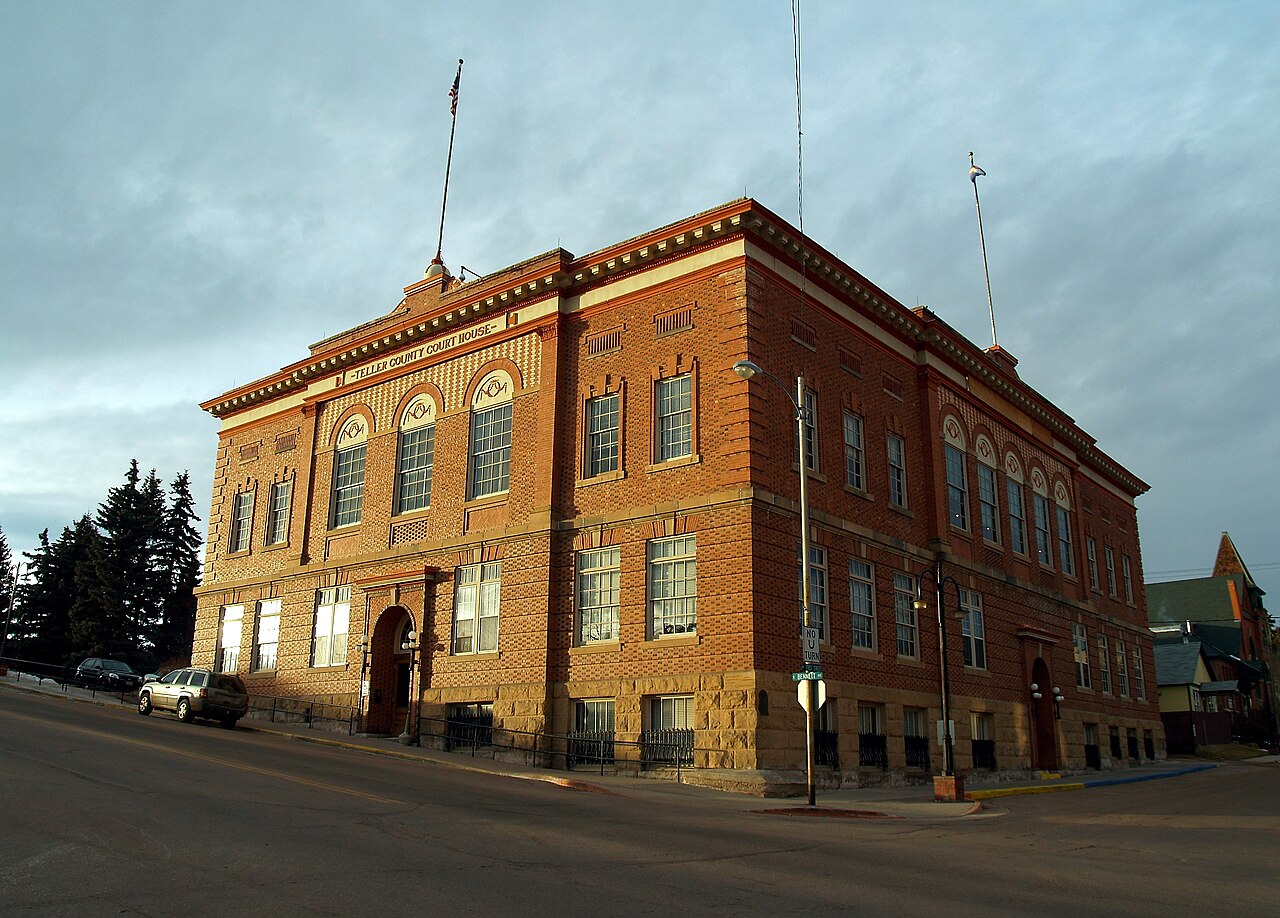
After the trial, the skull did not go anywhere. It sat in the Teller County Courthouse. Decades in an evidence room. At one point it reportedly lived in a court employee's home, which, I mean, imagine explaining that shelf to company.
The gold Roberts was carrying when he died? Worth about eighteen dollars. That one number tells you everything about the people who came forward claiming his remains. They showed up expecting a fortune and left with eighteen bucks worth of disappointment.
So the man had no real estate, no heirs fighting over an estate, and eventually no body anyone could point to. Just a top of a skull that nobody knew what to do with.
Today that piece of James Roberts lives at the Cripple Creek District Museum, 500 Bennett Ave. Jan Collins, the museum's curator and director, is the person watching over him now. And the detail that stuck with me is this. Staff actually talk to him. "Good morning, Mr. Roberts" when they open up. "Good night, Mr. Roberts" when they close.
There is something I genuinely respect about that. A guy spent a century treated as evidence, as a courtroom prop, as an awkward thing in somebody's spare room. And now the people who keep him say good morning like he is part of the staff.
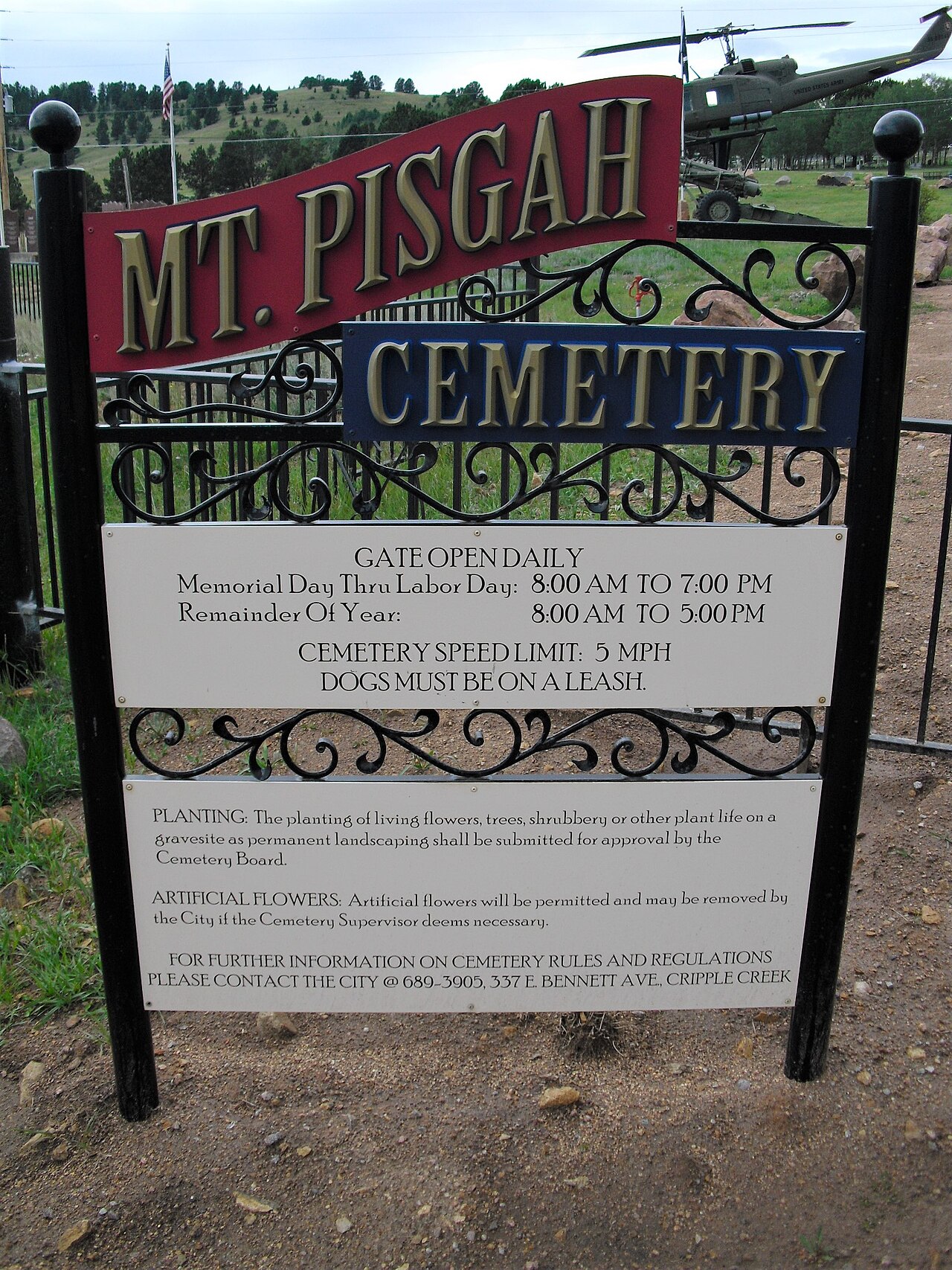
The museum does not want to hold onto him forever, though. The plan is to bury the skull with the rest of Roberts if his grave is ever found. The belief is he is somewhere in an unmarked plot in Cripple Creek's Mount Pisgah cemetery. Nobody has pinned it down. So for now he stays on display, waiting on his own grave to turn up.
Roadside America added the "Abnormally Thin Skull of James Roberts" to its attraction listings on November 9, 2026, which is probably how a lot of folks are finding their way up here now. Cripple Creek is about an hour southwest of Colorado Springs, up past the old gold camps at altitude, and the drive alone is worth the morning.
The museum posts daily hours of 10 a.m. to 5 p.m. in summer and weekends only in the off-season. Call ahead to verify before you commit the drive, because mountain-town hours have a way of shifting with the seasons. Hayley and I are big believers in one phone call saving you a wasted trip.
Most people drive through Cripple Creek for the casinos and the fall color and never clock that a real 1901 murder case, the kind that still gets cited in injury law, is sitting in a glass display at 500 Bennett. That is the part people miss. The scandal, the sawed-off skull, the eight-hour speech, the eighteen dollars. All of it preserved, all of it true, all of it right there for the asking.
Go say good morning to Mr. Roberts. He has been waiting a long time for company.