 Revolutionizing · Modernizing · Simplifying
Revolutionizing · Modernizing · Simplifying
Revolutionizing · Modernizing · Simplifying
The Cucharas River is supposed to run right through La Veta. On August 7, 2026, at the city limit, where there should be water, there was nothing. Bone dry.
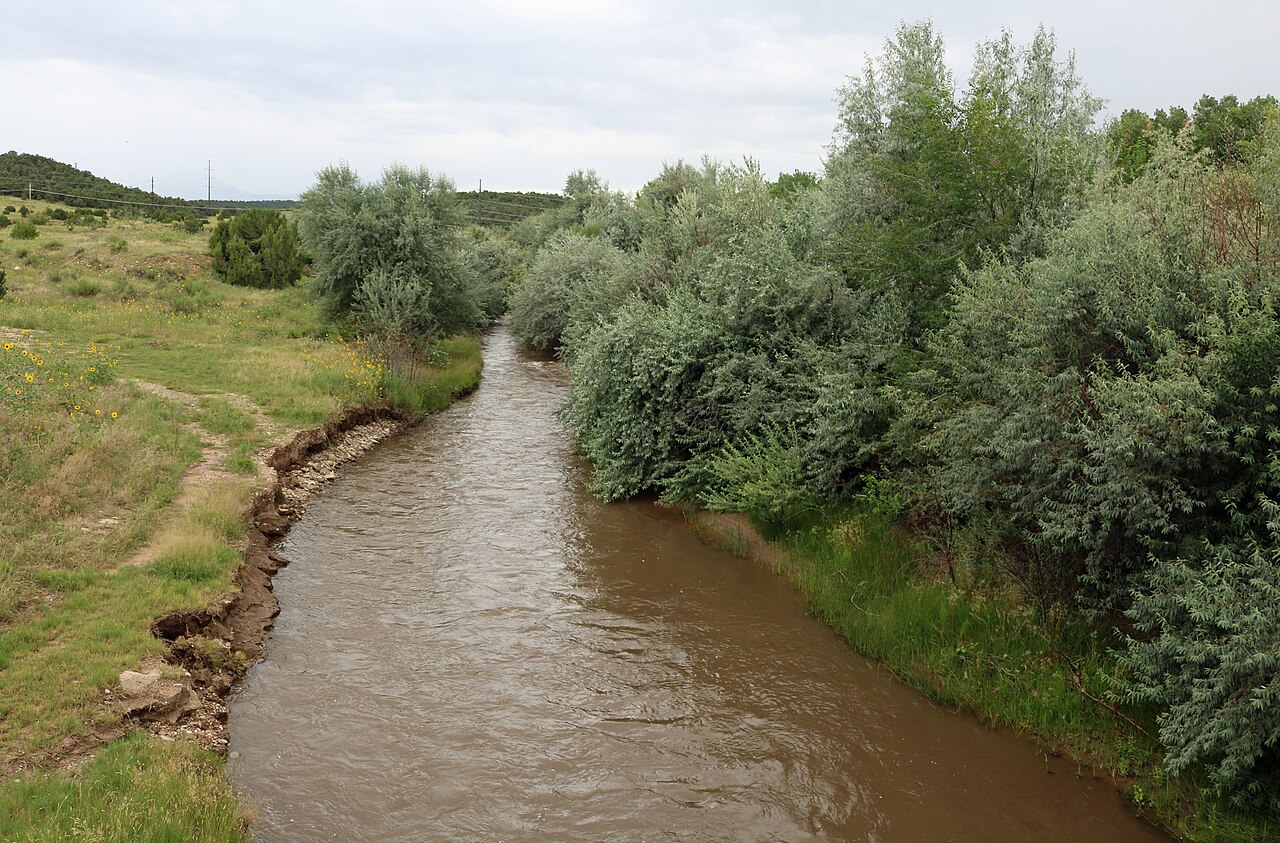
Not low. Not a trickle. Dry.
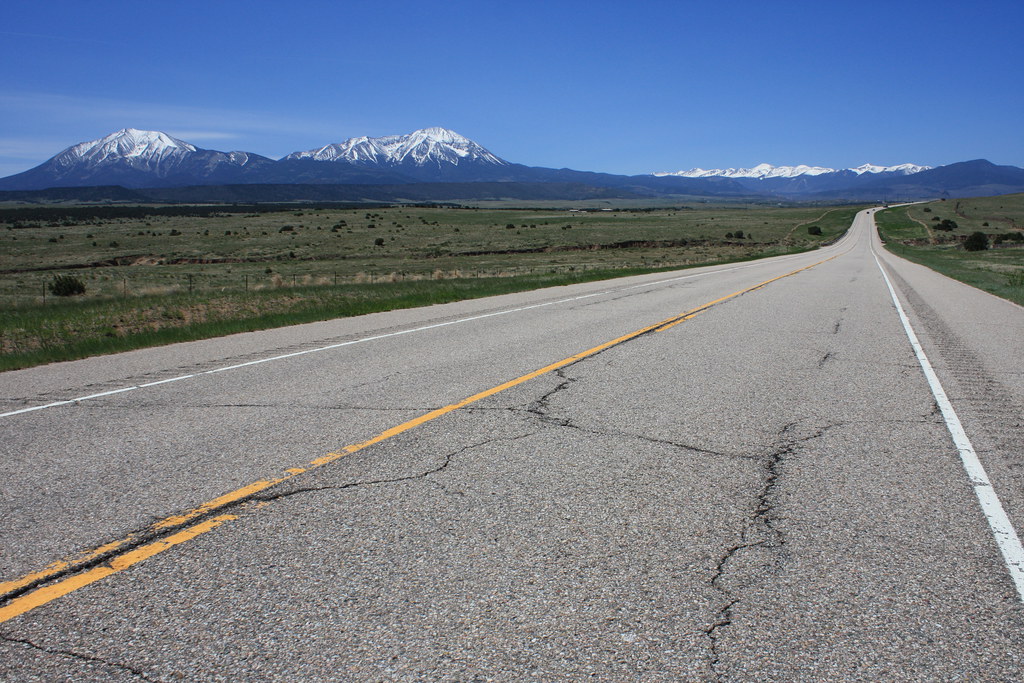
La Veta is a town of fewer than 1,000 people down at the base of the Spanish Peaks in Southern Colorado, and right now it is one of the most severely drought-hammered spots in the whole state. This is the part people miss when they think about drought as a big abstract thing on a weather map. It shows up as a riverbed with no river in it, at the edge of a town that depends on that river to exist.
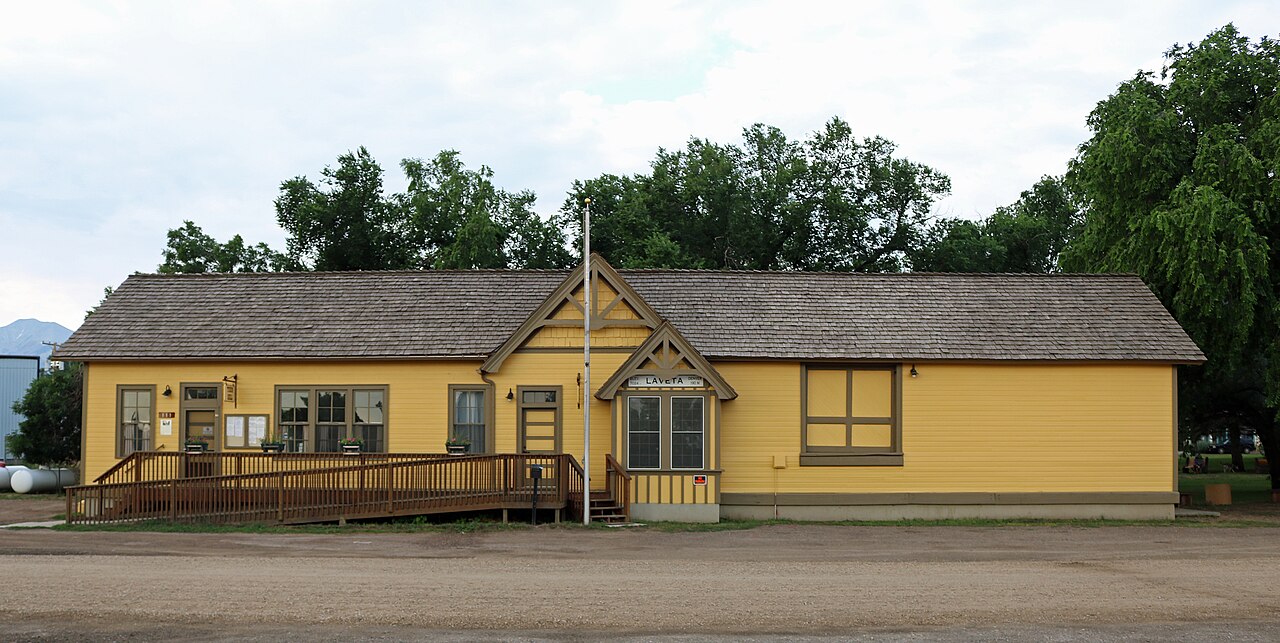
Here is how La Veta works. The town pulls its municipal water out of the Cucharas and diverts it into two reservoirs sitting on the edge of town. That is the system. That is the whole game. The river fills the reservoirs, the reservoirs run the town.
So when the Cucharas dries up before it even reaches La Veta, the town is living on what is already banked. And Town Clerk Heather Hillis put an actual number on it. Without more moisture, the reservoir water covers La Veta for about 150 days, measured from July 13, 2026.
Do that math and you land in early December. That is not a projection for some far-off climate scenario. That is this winter.
Hillis did not soften it either. Her line was that the situation is dire enough that, quote, "It needs to start snowing like September 1." Read that again. She is talking about needing snow in the first week of fall, before most of us have even thought about pulling the jackets out.
La Veta has moved to Stage 4 drought restrictions. That is the top tier. The "worst case" tier. There is nothing above it.
Under Stage 4, residents cannot water outdoors with hoses or sprinklers. No lawns, no gardens on the tap, none of it. In a small mountain town where a lot of folks grow their own and take pride in a green yard through a dry summer, that is a real hit to daily life. But it is what you do when the reservoir is the only thing between you and the well running empty.
And this may just be the worst drought in La Veta's history. Full stop. It follows a record-low snowpack that left the whole state sitting in deep drought heading into summer 2026. When the snow does not stack up in winter, the rivers do not run in summer. The Cucharas is showing you exactly what that looks like on the ground.
KRCC reporter Orion Cenkl actually traveled the Cucharas for this, from its headwaters up in the mountains southwest of Walsenburg down to where it quits near La Veta. In a normal year the river keeps going. It runs through La Veta to Walsenburg, about 16 miles downstream, then dumps into the Huerfano River, which feeds the Arkansas. That is a working river system tied into one of the biggest watersheds in the state.
This year it does not make it out of town.
And it is not just the people who live there noticing. Margaret Hill drives up from Texas every year with her husband to stay at Bear Creek Campground. Same trip, year after year. Her take on the stream this summer: "It's never been this shallow." When the folks who have watched a place for years are telling you they have never seen it like this, that is the tell. Not the headline. The person who keeps coming back.
Look, it would be easy to file this under one small town having a rough year. That is the wrong read.
The Cucharas is a preview. La Veta's whole setup, a single river feeding a couple of reservoirs feeding one town, is the exact model a lot of small mountain communities across Colorado run on. The Front Range has the big diversions and the big storage and the political muscle to fight over water. A town of under 1,000 has a river and a countdown. When the snowpack fails, there is no cushion.
This is why the story is part of CPR News' "Water Pressure" series, which is tracking how drought is landing on communities, farmers, ranchers, and outdoor recreation across the state. La Veta is not the only place watching a stream go quiet. It is just the one where the math is the scariest right now.
The threat here is not one thing. It is farming, because the fields need that water. It is recreation, because campgrounds like Bear Creek run on the creek being a creek. And it is everyday life, the tap in the kitchen, for people who chose to live at the foot of the Spanish Peaks for a reason.
So the number to sit with is 150 days from July 13. And the wish, straight from the town clerk, is snow by September 1.
Keep an eye on this one. Because what happens in La Veta this winter is a rough draft of a conversation a lot more of Colorado is going to be having soon.