 Revolutionizing · Modernizing · Simplifying
Revolutionizing · Modernizing · Simplifying
Revolutionizing · Modernizing · Simplifying
A fish everybody had written off as extinct is about to get its old neighborhood back. And to make that happen, Rocky Mountain National Park is closing one of the prettiest corners of the west side for a full week and turning some of the water red on purpose.
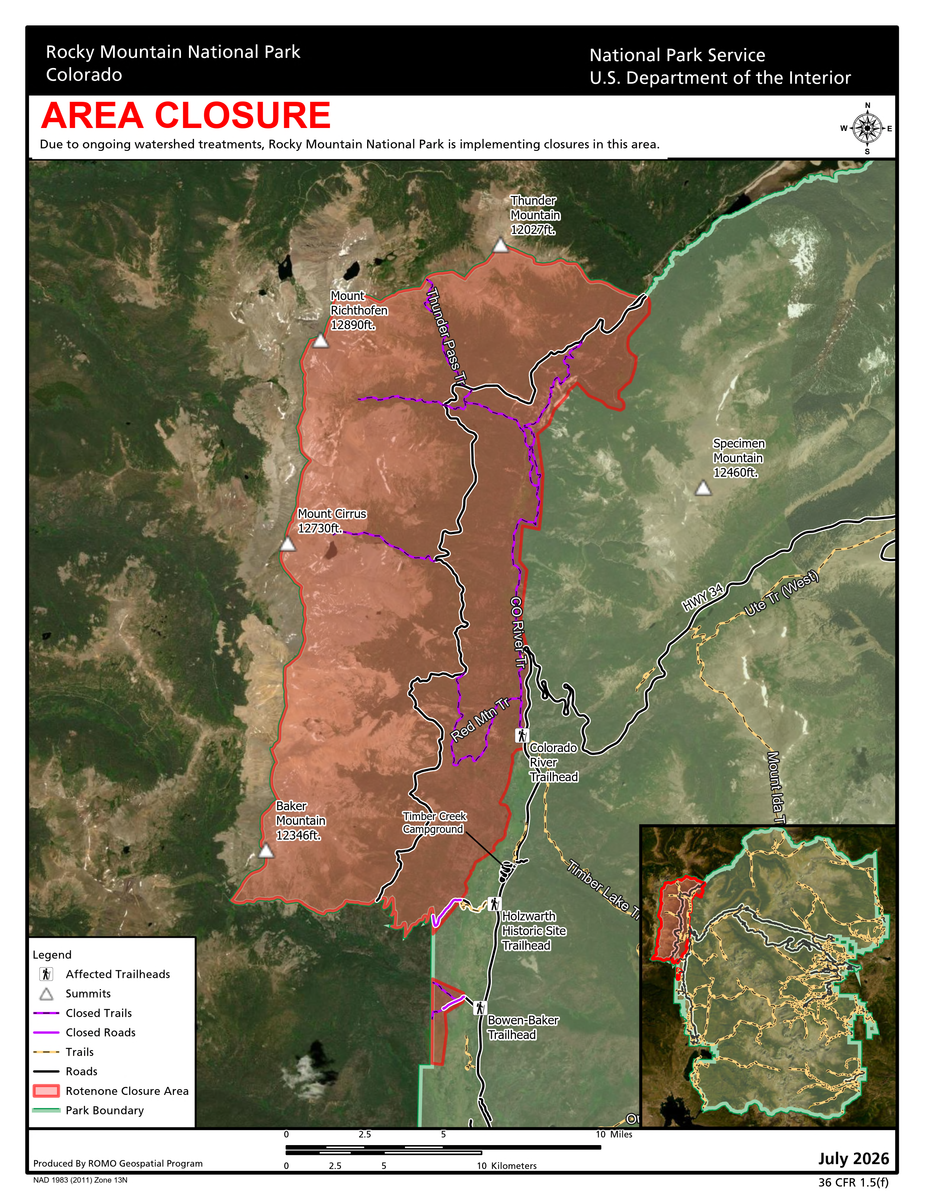
Here is the deal. On August 5, 2026, the park announced it will shut down areas of the Kawuneeche Valley from Monday, August 24 through Sunday, August 30. That is the next phase of something called the Poudre Headwaters Project, and it is bigger than the average trail closure.
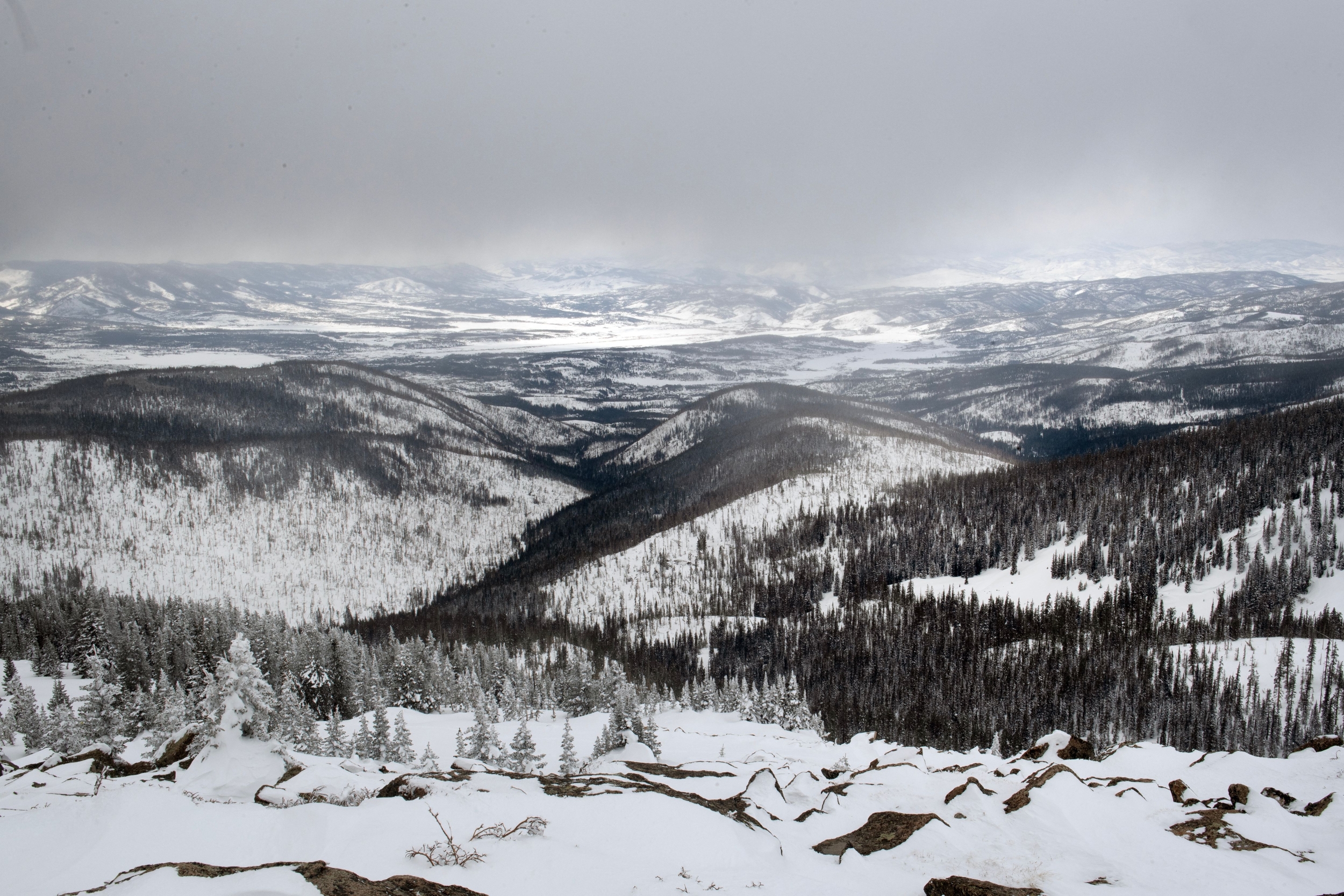
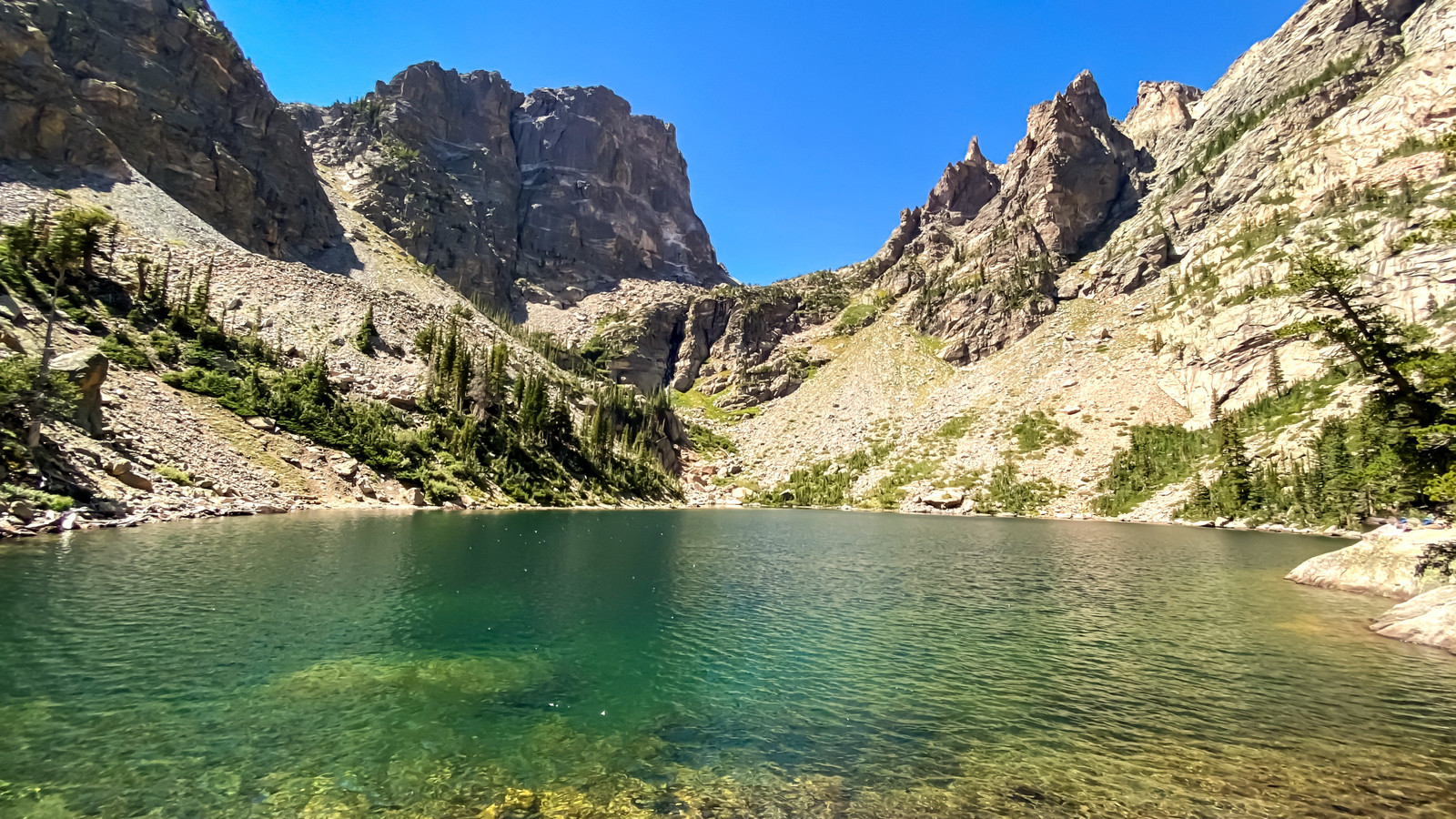
This is not a minor detour. The closure takes out the Colorado River Trail and the Grand Ditch, two corridors people plan whole trips around. It also cuts off access to a string of peaks up there. Mount Richthofen at 12,890 feet. Mount Cirrus at 12,730. Baker Mountain at 12,346. Thunder Mountain at 12,027. If you had a late August summit day penciled in on any of those, that is the week to pick something else.
Most people do not realize how much of the west side funnels through this valley. So a seven day lockout stings. But there is a reason, and it is a good one.
Aquatic biologists are going to apply a compound called rotenone to the 14.3-mile Grand Ditch system, plus the tributaries above and below it. Rotenone is a botanical thing, EPA approved, made from the roots of tropical legume plants. It is toxic to fish that breathe through gills, which is exactly the point. The EPA has concluded it does not pose a significant risk to humans or wildlife when it is used the way the label says.
Here is the part that trips people up. The treated water may look red. So the park is posting warning signs, and the rules are simple. Do not drink the water. Do not eat any fish out of there. Do not handle the dead ones. This is the second time they have run this play, by the way. The first phase happened inside the park in August 2025 and hit the same Grand Ditch system. So this is phase two of a plan, not a surprise.
The target is the brook trout. Colorado Parks and Wildlife says brook trout got introduced into Colorado back in the late 1800s, and they have basically taken over. They outcompete the native trout and overpopulate the streams. Clearing them out of the headwaters of the Cache la Poudre is the whole job.
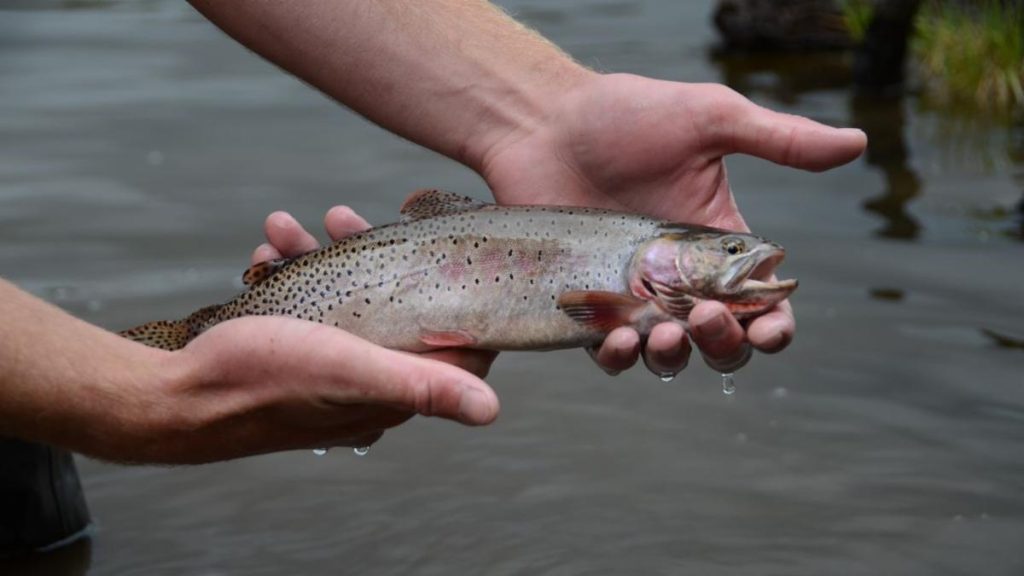
So who is all this for? The greenback cutthroat trout. Colorado's official state fish. And this is where the story gets genuinely wild.
The greenback was once believed extinct. Gone. Then a genetically verified population turned up and became the seed stock for bringing the species back. Think about that for a second. A fish everyone assumed was finished, and now it is the star of the largest native trout restoration Colorado has ever attempted.
That is not my line. That is Chris Clatterbuck, the natural resource program manager for Rocky Mountain National Park, who said when this is finished it will be "the largest native trout restoration in Colorado."
And the reason they have to go this hard on the brook trout comes down to one brutal number. Colorado State University professor Robert Behnke reported that once brook trout got into these streams, the greenback cutthroat were virtually gone within five years. Five years. That is how fast the natives lost. So you cannot just add greenbacks back and hope. You have to clear the board first.
Here is the detail that stuck with me. The goal is to reintroduce the greenback to waters it has not occupied in recorded history. Read that again. Not water it lost recently. Water where nobody alive has ever watched this fish swim. They are handing it back headwaters that predate the record.
This is a team effort, and the names matter. U.S. Forest Service biologists are leading it, working with Colorado Parks and Wildlife and the U.S. Fish and Wildlife Service. Extra funding is coming from Trout Unlimited and the Rocky Mountain Conservancy.
And there is a payoff on the other end for the people who fish. Clatterbuck said that if it works, the project could give anglers "a world class greenback fishery" while locking in a future for native trout in Colorado streams. So the week of closed trails is the down payment. The return is a fishery built around a species that clawed its way back from being declared extinct.
If you are heading to the west side around that window, plan around August 24 through 30. Reroute the hikes, move the summit days, and keep clear of any red water and any dead fish you might spot near the treatment zone. For the exact closure details, the park's information office is at (970) 586-1206.
Honestly, I will take a quiet week in the Kawuneeche if it means the state fish gets to swim in its own headwaters again. That is a trade worth making.