 Revolutionizing · Modernizing · Simplifying
Revolutionizing · Modernizing · Simplifying
Revolutionizing · Modernizing · Simplifying
A family of five living in a homeless shelter typed a prompt into ChatGPT and asked it for a list of 150 places to live. That is how they found the building I want to tell you about today.
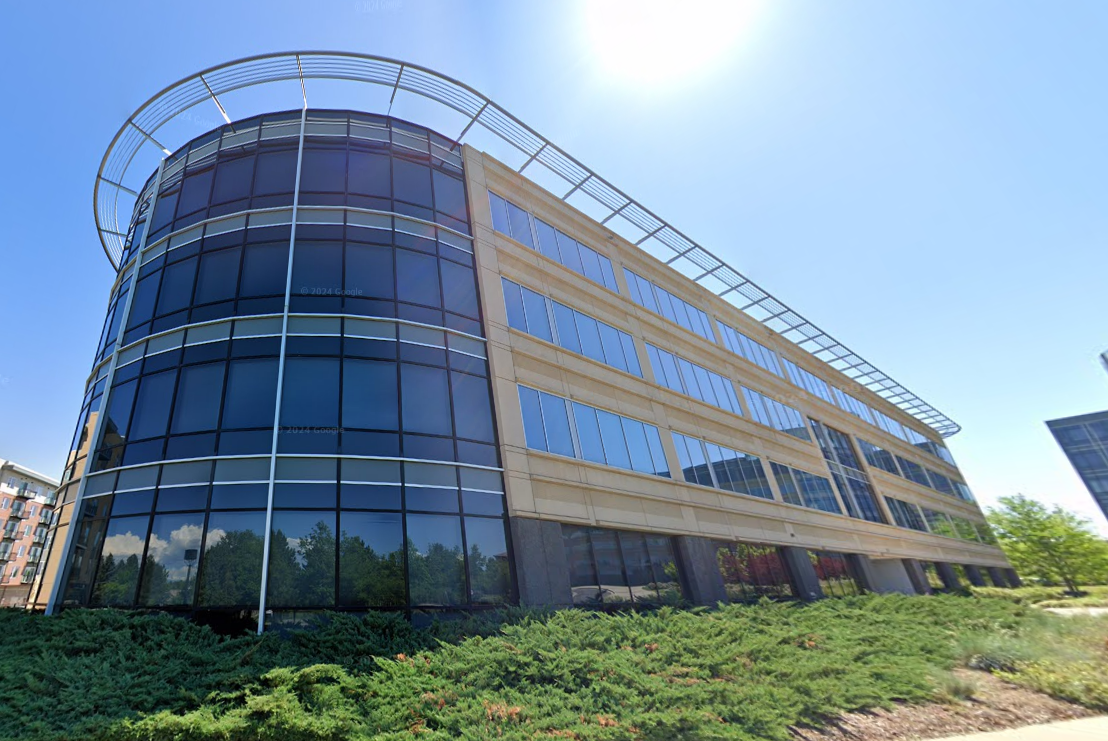
It is called Lofts on Monaco, and it sits at 4340 S. Monaco Street, deep in the Denver Tech Center, about 30 minutes south of downtown. Four stories. Beige. The kind of office box you have driven past a thousand times and never once looked at. For roughly five years it sat completely empty. No tenants, no lights, nothing.
And now 143 families are moving in.

Here is what most people do not realize about these conversions. You cannot just throw some beds in an old office and call it housing. Shea Properties bought this 120,000 square foot building in April 2025 for
That opened in July of 2026.
Peter Culshaw, the executive vice president over at Shea, ran the whole project. And when CPR asked him what the hardest part was, he did not say the plumbing. He did not say the permits. He said the hardest part was finding "the corporate fortitude to do it." I love that. Because that is the honest answer. Any developer can look at an empty office and do the math. Actually pulling the trigger on a project nobody in this region had done yet? That takes a different kind of nerve.
This is the part that matters. These are not luxury lofts with a coffee bar in the lobby and rent that would make you cry.
Every unit is income-restricted. To live at Lofts on Monaco you have to earn no more than 70% of the area median income, and residents who make less than that qualify for lower rents, with the limits set by the Colorado Housing and Finance Authority. So the lower your income, the lower your rent. That is the whole point.
CPR called this one of the first office-to-residential conversions finished in Denver since the pandemic, and the area's first-ever conversion into affordable units led by a developer. Not a nonprofit. Not the city. A developer decided the numbers worked on affordable housing, and did it.
Take Keren Staves. She and her kids, Malachi and Naomi, got photographed in the building's activity room on July 15. BusinessDen reported the building welcomed its first residents on July 31. These are real families, walking into real apartments, some of them straight out of shelters.
Mayor Mike Johnston came out for the open house. And look, mayors show up to a lot of ribbon cuttings, but this one is different, and here is why.
Denver has one of the highest office vacancy rates in the entire country. One of the highest. That is not a small problem. Empty offices do not pay the taxes a full office pays, they drag down surrounding property values, and they just sit there weighing on the whole downtown economy. So when Johnston and the downtown boosters stood in that activity room, they were not just celebrating 143 apartments. They were hoping this is the first domino. The start of a trend where all that dead square footage becomes somewhere people actually live.
Whether that trend happens is the real question. As of mid-July the building was only about 25% leased, and Shea was running a whole campaign to fill it, including ads on Facebook. So it is not like families were lining up around the block on day one. The demand is there, obviously. Getting the word to the exact people who qualify, who are living in shelters and mass-emailing housing authorities to find anything at all, that is its own challenge.
Shea is not stopping at Monaco. They have a proposal nearby to redevelop the Marina Square shopping center at Belleview and Ulster into retail, 450 apartments, and an office building. So the same company that just proved this model works is already lining up the next swing in the same corner of the DTC.
And that is the thing I keep coming back to. For years the story about the Tech Center was decline. Half-empty parking lots, offices nobody wanted, a business park built for a way of working that people mostly stopped doing. The easy read was that all that space was just going to rot.
Instead one developer found the fortitude, gutted a dead building to the studs, and handed the keys to a family that found their way there through an AI chatbot and a lot of hope.
Thirty minutes south of downtown, in a beige box you never looked at twice, that is a pretty good place to start.