 Revolutionizing · Modernizing · Simplifying
Revolutionizing · Modernizing · Simplifying
Revolutionizing · Modernizing · Simplifying
Run the numbers on a $650,000 house in the Denver metro right now and the math slaps you in the face.
Ten percent down. The October 2026 thirty-year fixed sitting at 7.28 percent. Your all-in monthly cost to own that place is about $4,944. That is $4,003 in principal and interest, $698 for taxes and insurance, and another
So you are paying about
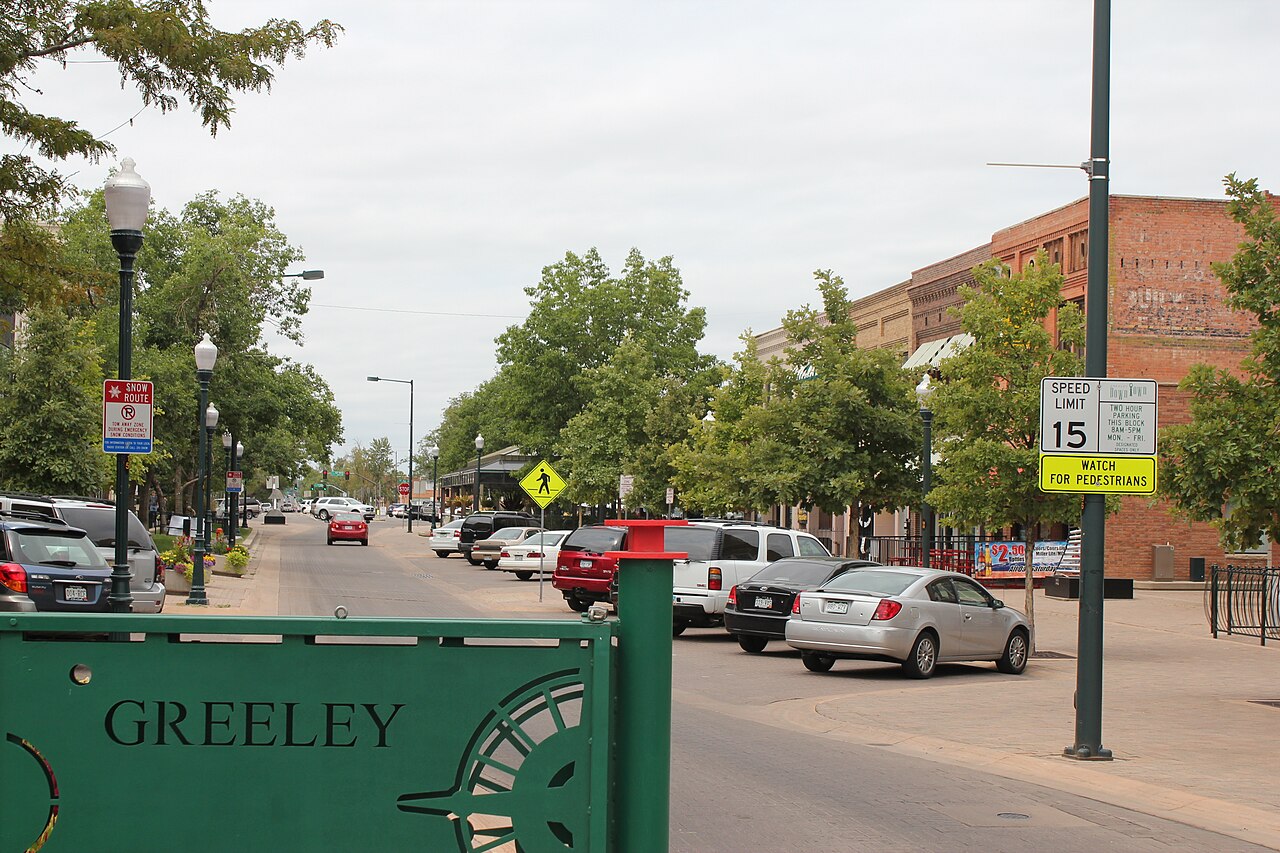
This is the part people miss. For a few years there, the buy-versus-rent debate in Colorado was close enough that it came down to lifestyle. Not anymore. A Kenna Real Estate analysis published around October 6 ran the rent-versus-buy math at that 7.28 percent rate and found renting costs less per month in Denver, Colorado Springs, Greeley, and Fort Collins. Not one city. All four.
Here is the thing. Back in July the thirty-year fixed was 6.55 percent. By October it was 7.28 percent. That jump does not sound like much until you watch what it does to a principal-and-interest payment. Seventy-three basis points, and suddenly the monthly cost of borrowing a few hundred grand climbs hundreds of dollars.
And it is not just one source saying this. NerdWallet pegged the Colorado average thirty-year fixed at 7.46 percent APR on Friday, October 9. Unchanged from the week before, but 103 basis points higher than a year ago. So over the last twelve months, borrowing money to buy a house in this state got meaningfully more expensive while prices mostly stood still.
The condo math tells the same story, just smaller. Take a $365,500 Denver-metro condo or townhome with 5 percent down. All-in ownership runs about $3,238 a month (
Now layer this on top. Average Denver rent was about
Meanwhile the single-family median held near $650,000 and has been basically flat for three years, per DMAR. The condo and townhome median was $365,500 in September, down 6.28 percent year over year. Prices soft, rents softer, rates high. That is the whole picture in one sentence.
And you can see it in who is actually pulling the trigger. DMAR's September data showed closed sales down 21.39 percent year over year, with 13,567 active listings sitting on the market. A lot of would-be buyers looked at that $4,944 payment, looked at the
Here is where it gets uncomfortable for the "renting is throwing money away" crowd.
A separate VoucherMatch model put Denver's price-to-rent ratio at 23.9. Anything above 20 typically favors renting. Their estimate: a renter who invests the monthly difference could build roughly $340,000 more wealth over ten years than the buyer. And national research from Construction Coverage ranked Denver among the large U.S. cities with the steepest buy-over-rent premium, at about plus 72.8 percent.
Read that again. Plus 72.8 percent. On a month-to-month basis, owning here costs nearly three-quarters more than renting the same thing.
I am not telling you to rent forever. The Kenna analysis itself says buying still wins once you stay in the home six to ten years. And it tips sooner than that in a few situations.
Buy below list price. Get the seller to pay for a rate buydown. Take over an assumable mortgage from someone who locked in at three-point-something back in the day. Any of those three can flip the math in your favor fast, and in a market with 13,567 active listings and sales down over 21 percent, sellers are a lot more willing to talk than they were two years ago. That is leverage. Use it.
So the honest answer, the one Hayley and I keep landing on when people ask us at dinner, is this. If you are moving in two years, rent. The monthly gap is too big to ignore and you will not own long enough to make it back. If you are planting roots for the next decade and you can negotiate on price or financing, buying still makes sense, 7.28 percent and all.
The mistake is treating this like it is still 2021. It is not. The rate did the heavy lifting, and for the first time in a long time the spreadsheet is telling renters they are the smart ones this fall.
If you want us to run your actual numbers, your price point, your down payment, your timeline, that is the kind of thing Symbio Homes does before anybody signs anything. Because the median payment and your payment are two very different animals.