 Revolutionizing · Modernizing · Simplifying
Revolutionizing · Modernizing · Simplifying
Revolutionizing · Modernizing · Simplifying
Thursday, September 24. First pitch at 1:10 p.m. Rockies against the Diamondbacks, the last home game of the year. And on the corner of 19th and Wynkoop, Joyl Watkins served the last hot dog of a 31-season run and then closed the umbrella for good.
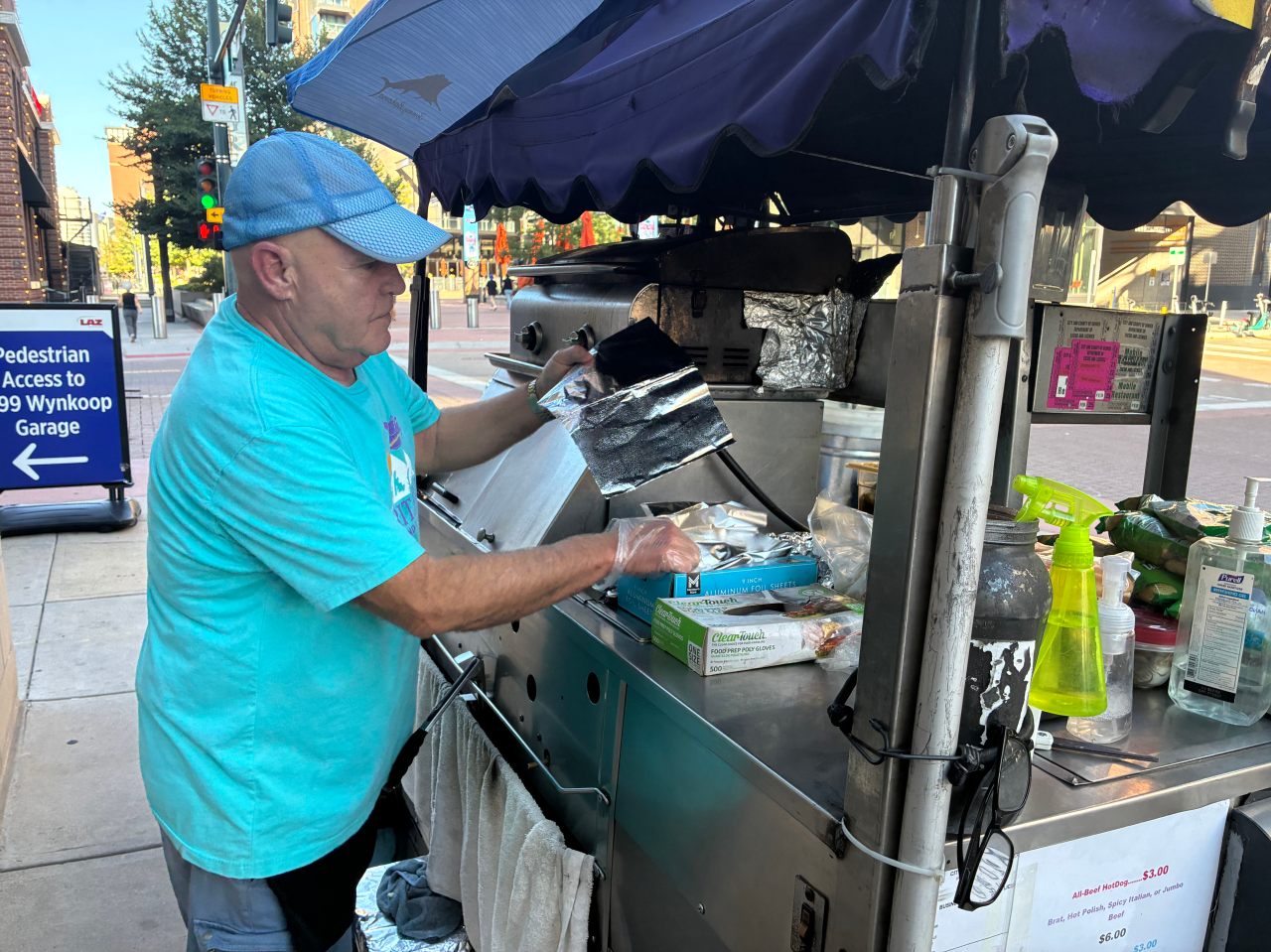
Here is the thing most people do not realize. That cart is older than the light rail. When Watkins started, in 1995, the year Coors Field opened its gates, there was no train dropping you at Union Station. Downtown looked nothing like it does now. LoDo has been torn down and rebuilt and priced-up around this guy about four times over, and through all of it the Diamond Dawgs cart just sat there on the corner grilling.
That is what makes this a real Colorado story, if you ask me. Everything around him changed. He did not.
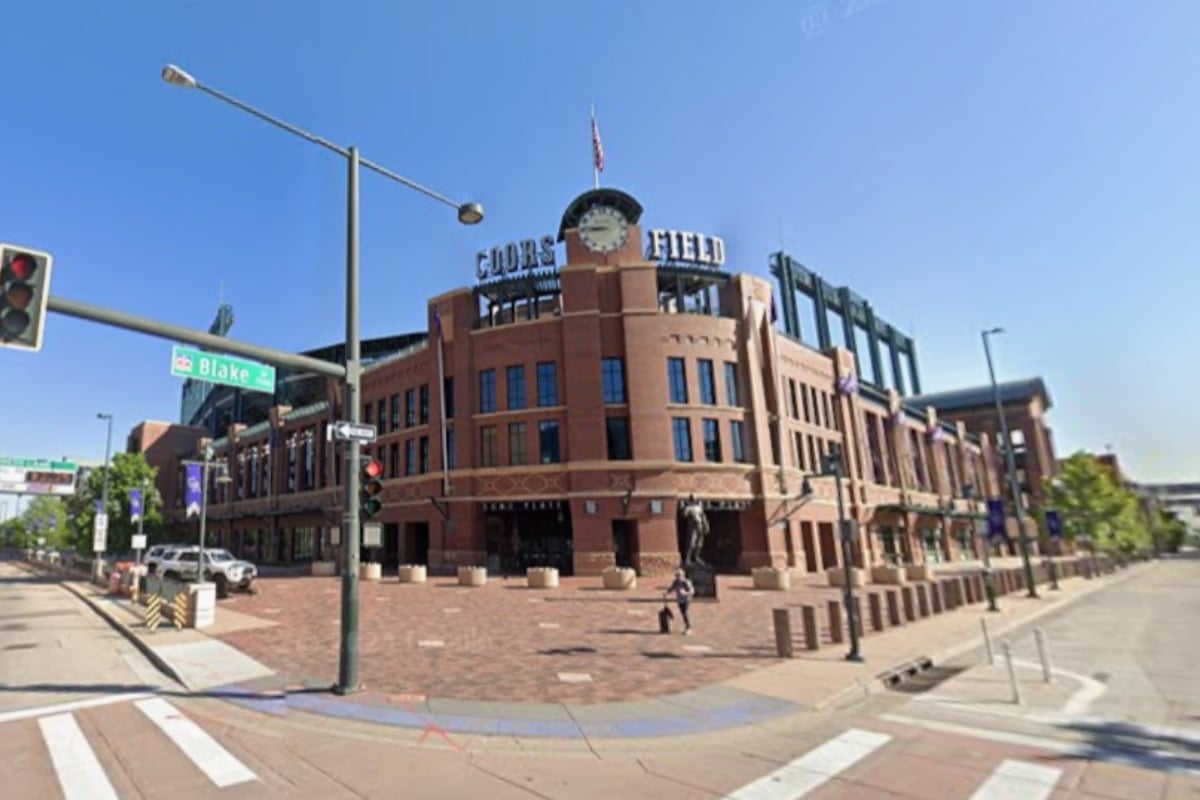
Watkins thought he would run the cart for a single year. That was the whole plan. One year.
He ran it as a side hustle for six seasons while holding down another job, then went full-time. The man came to Denver in the early 1980s for a finance gig, later worked at Jones Intercable, and the vending thing was in his blood the whole time. His uncle owned a Coney Island stand back in Sand Springs, Oklahoma, and Watkins grew up around it as a kid. So the cart was never really a career pivot. It was a return.
And the corner became his. Coors Field opened in '95, and while he has vended near the ballpark that entire time, this specific spot at 19th and Wynkoop marked his 10th year on that exact corner. If you have grabbed a dog before a game in the last decade, you know the one.
Let me give you the real math on this, because it is wild.
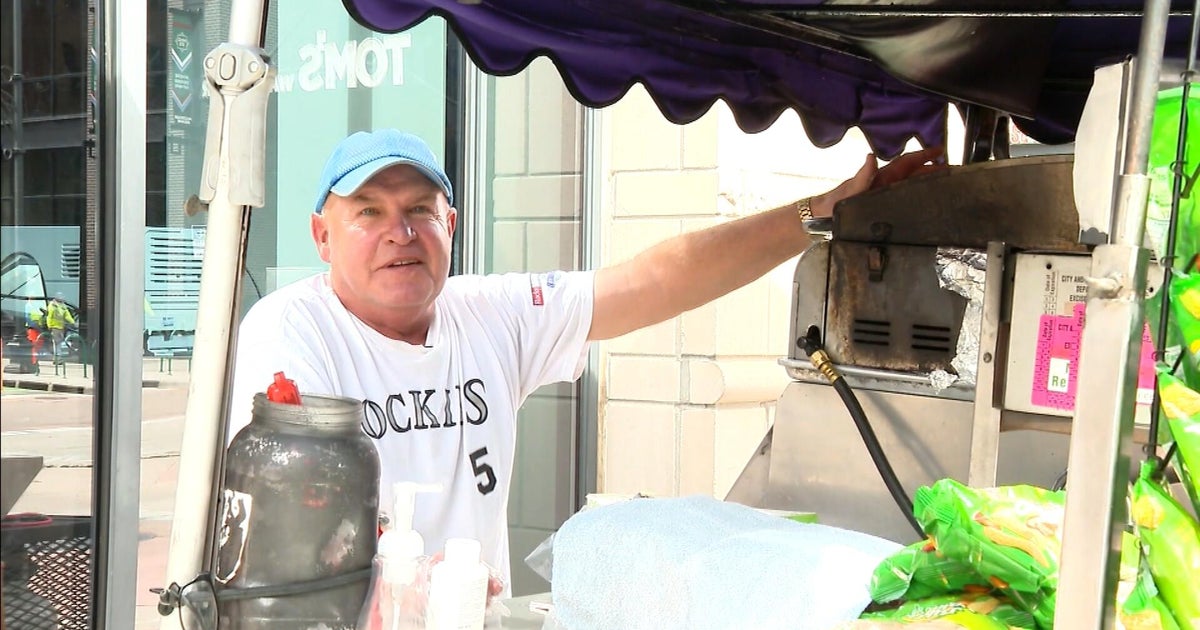
A game day for Watkins runs about 12 hours. Twelve. He sells roughly 800 hot dogs on a typical day and regularly sells out by the fifth inning. In more than three decades, he has missed only four games. Four.
And this is not some plug-it-in-and-go operation. His game-day vending permit cost him $550 in his final year, up from $340 back in 2020. The cart passes fire and health inspections just like any brick-and-mortar restaurant on Larimer. So every one of those 800 dogs comes with real overhead, real inspections, and a guy standing on a corner all day in the Colorado sun and the Colorado wind and whatever else September throws at him.
Put that up against the official ballpark numbers. The Rockies say the stadium moves a combined average of 532,500 hot dogs and brats across its five stadium options each season. One man with one cart held down a corner right outside all of that and still sold out by the fifth.
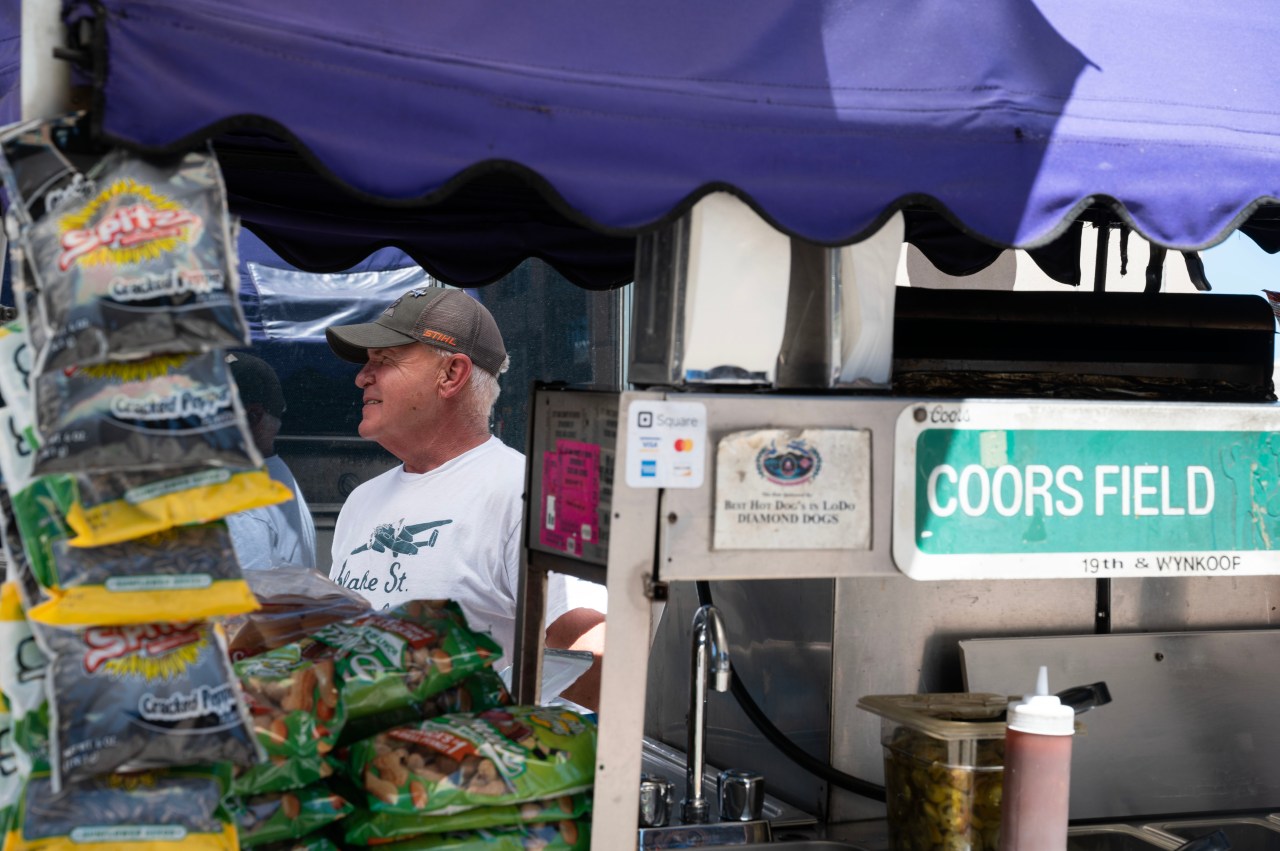
Denver actually made it official. On July 11, 2014, the city proclaimed it Joyl Watkins Day. You do not get a day named after you for slinging mediocre food to strangers. You get it for becoming part of the fabric of a place, for being the fixed point people set their game-day clock by.
He was here for the good years too. Watkins watched the 2007 World Series run from his corner, back when the whole city lost its mind and that ballpark was the center of Colorado.
And the cart never went dormant in the winter, either. In the off-season Watkins parks outside the USPS at 20th and Curtis, feeding construction workers, parking attendants, and city and postal employees. So even when the Rockies were 800 miles away at spring training, the dogs kept coming.
Look, real estate people love to talk about what makes a neighborhood, and they usually point at the buildings. The new towers, the converted warehouses, the price per square foot. That is real. LoDo has been one of the most transformed pockets of downtown Denver for 30 years running, and the corner of 19th and Wynkoop sits in the middle of some of the most valuable ground in the city.
But here is what actually makes a place feel like a place. It is the people who stay. The ones who become a ritual. You can build all the glass you want around a ballpark, and it is a cart guy who has been there since day one that people will actually miss.
Watkins is not disappearing, to be clear. He says he plans to stay connected to the Rockies, just from the other side of the counter. He will come to games as a fan instead of working them. After 31 years of watching first pitch from behind a grill, the man earned a seat.
So next season, when you walk up from Union Station and hit that corner at 19th and Wynkoop and there is no smoke and no line and no Joyl, take a second. That empty spot was a Denver institution longer than half the bars in LoDo have been open.
One year, he said. Thirty-one seasons later, he finally cashed out.