 Revolutionizing · Modernizing · Simplifying
Revolutionizing · Modernizing · Simplifying
Revolutionizing · Modernizing · Simplifying
Green Valley Ranch. Nice houses, new streets, a lot of people who bought their first place in the last couple years. And it is one of the neighborhoods showing up in coverage of something most people around here have not clocked yet.
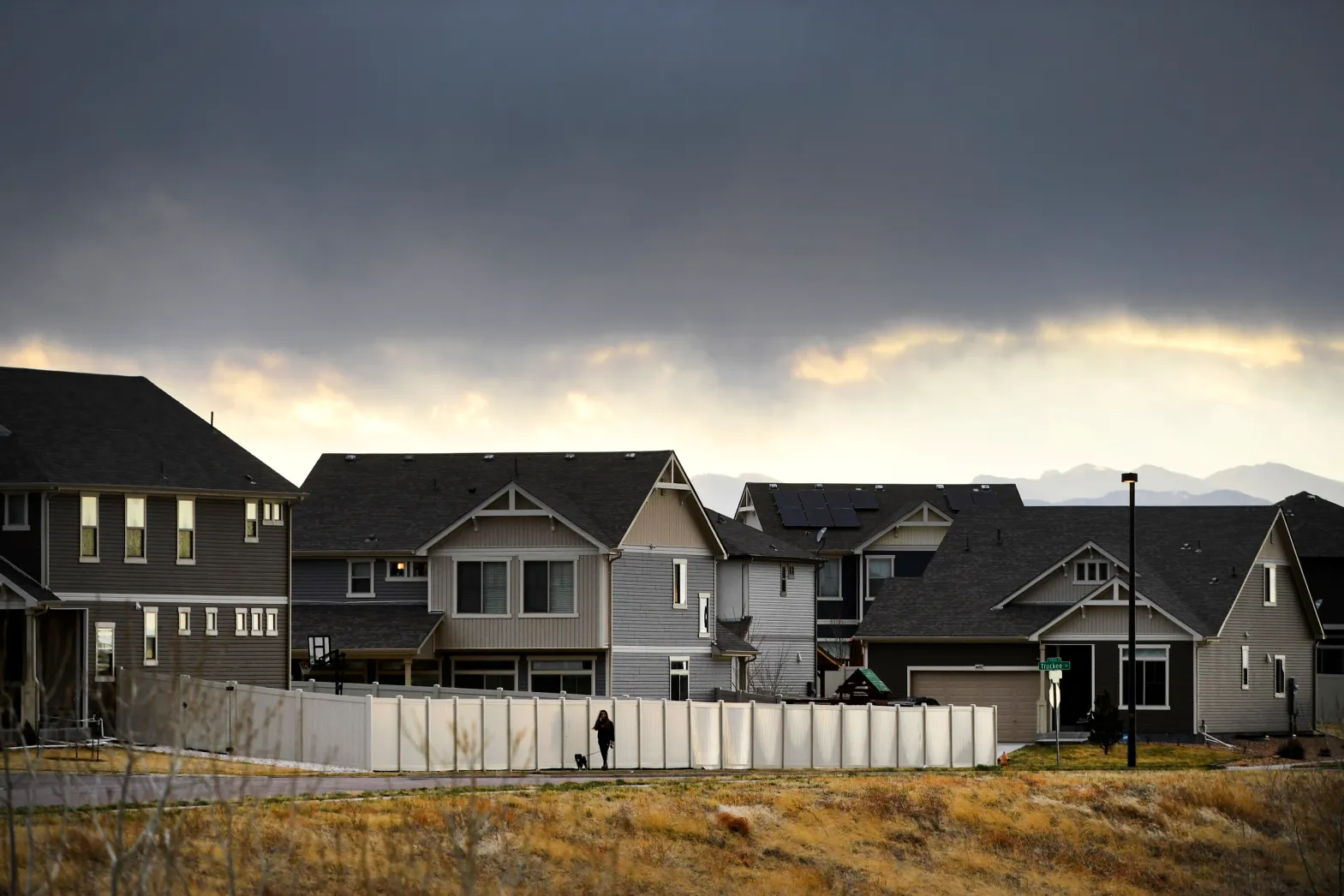
Foreclosures are rising again in Denver.
Now, before anybody panics, this is not 2008. Nowhere close. But BusinessDen's Thomas Gounley reported on September 28 that filings have been climbing, and the trend line is real. Foreclosure starts held steady for three years. Then they turned up in 2025. That is the part people miss.
Here is the local one that matters. Through the end of August 2026, 495 Denver properties had been hit with a notice of election and demand. That is the document a lender records to officially kick off Colorado's foreclosure process. The formal starting gun. Same point in 2025? It was 426. So we are up, and we are up in the county that usually runs quieter than most.
Statewide it is louder. Bank repossessions, the completed foreclosures where the lender takes the property back, went from 99 in the first quarter of 2025 to 321 in the first quarter of 2026. That is roughly a tripling in a single year.
And zoom out to the national report from ATTOM. Among states with at least 500 filings in the first half of 2026, Colorado posted a 57% year over year jump in foreclosure activity. Only Idaho was worse. Nationally, 227,548 properties had foreclosure filings in the first six months of the year, up 21% from 2025 and 28% from 2024.
One more stat, and this one is quiet but important. The average U.S. foreclosure timeline dropped to 563 days, the shortest since 2013. Meaning there is less runway now between a first missed payment and a trustee sale. Less time to fix it, refinance it, or sell your way out.
This is where it gets specific, and honestly a little sad.
It is mostly recent buyers. People who bought at or near the peak, with thin equity, and then got hit with a bill they did not fully see coming.
A big piece of it is payment shock from expired temporary rate buydowns. You know the ones. Builder or seller pays to knock your rate down for a year or two, your payment feels manageable, and then the buydown expires and the real payment shows up. Add persistent higher mortgage rates, rising insurance, climbing HOA dues. And a lot of new-construction buyers who put very little down, so they have almost no cushion when something goes sideways. Brokers also point to time-sensitive relocations, including military moves, where people have to get out fast whether the math works or not.
Here is the through line. Denver metro saw some of the sharpest pandemic-era appreciation in the entire country. That pulled buyers in at elevated debt loads right before rates, insurance and HOA costs all climbed at once. Great timing to buy a house you will love. Rough timing on the balance sheet.
And notice where the volume actually concentrates. Denver County runs lower than smaller counties like El Paso, which is Colorado Springs, and Mesa, which is Grand Junction. Those markets had more buyers using FHA and HUD loans with smaller down payments. Smaller down payment, thinner equity, less margin for error.
There is also the zombie foreclosure number, which I find weirdly telling. Colorado's zombie foreclosure rate, meaning pre-foreclosure homes that are already sitting empty, rose to 3.8% in the second quarter of 2026. That is above the national 3.4%, and up from 2.6% a year ago. People are walking away earlier.

Set all of this against a market that is already cooling. DMAR's August 2026 data puts the Denver metro median close price at $594,495, with median days in the MLS up to 27. Homes are sitting longer. And mortgage rates crossed 7% in September for the first time in over 15 months, with the 30-year average hitting 7.09% on September 18 per Bankrate.
So here is the here-is-the-thing.
If you own with real equity and a payment you can handle, none of this touches you. Keep living your life. If anything, watch for distressed listings if you are hunting for a deal, though that shorter 563-day timeline means fewer of them linger.
If you are buying right now, this is your warning label. Do not let a temporary buydown talk you into a payment you cannot carry once it expires. Run the real number. The one after the buydown burns off. Put down what you can. Thin equity is exactly what is sinking the folks getting notices right now.
And if you are trying to sell, price it right the first time. Twenty-seven days on market and a softening median mean the days of naming a number and getting five offers by Sunday are over.
This is not a crash story. It is a discipline story. The people getting hurt bought at peak with no room to breathe. Everybody else just needs to buy like the buydown never existed and sell like the buyer has options. Because right now, they do.