 Revolutionizing · Modernizing · Simplifying
Revolutionizing · Modernizing · Simplifying
Revolutionizing · Modernizing · Simplifying
Two days a week. That is your watering window now.

Denver Water declared a Stage 1 drought in 2026, and the rules are simple and kind of brutal. You get two assigned days per week for outdoor watering, and nothing between 10 a.m. and 6 p.m. So that lush Kentucky bluegrass you have been babying for years? It is now on a diet whether you like it or not.
And here is the thing most people get wrong when they start doing the math on ripping it out.
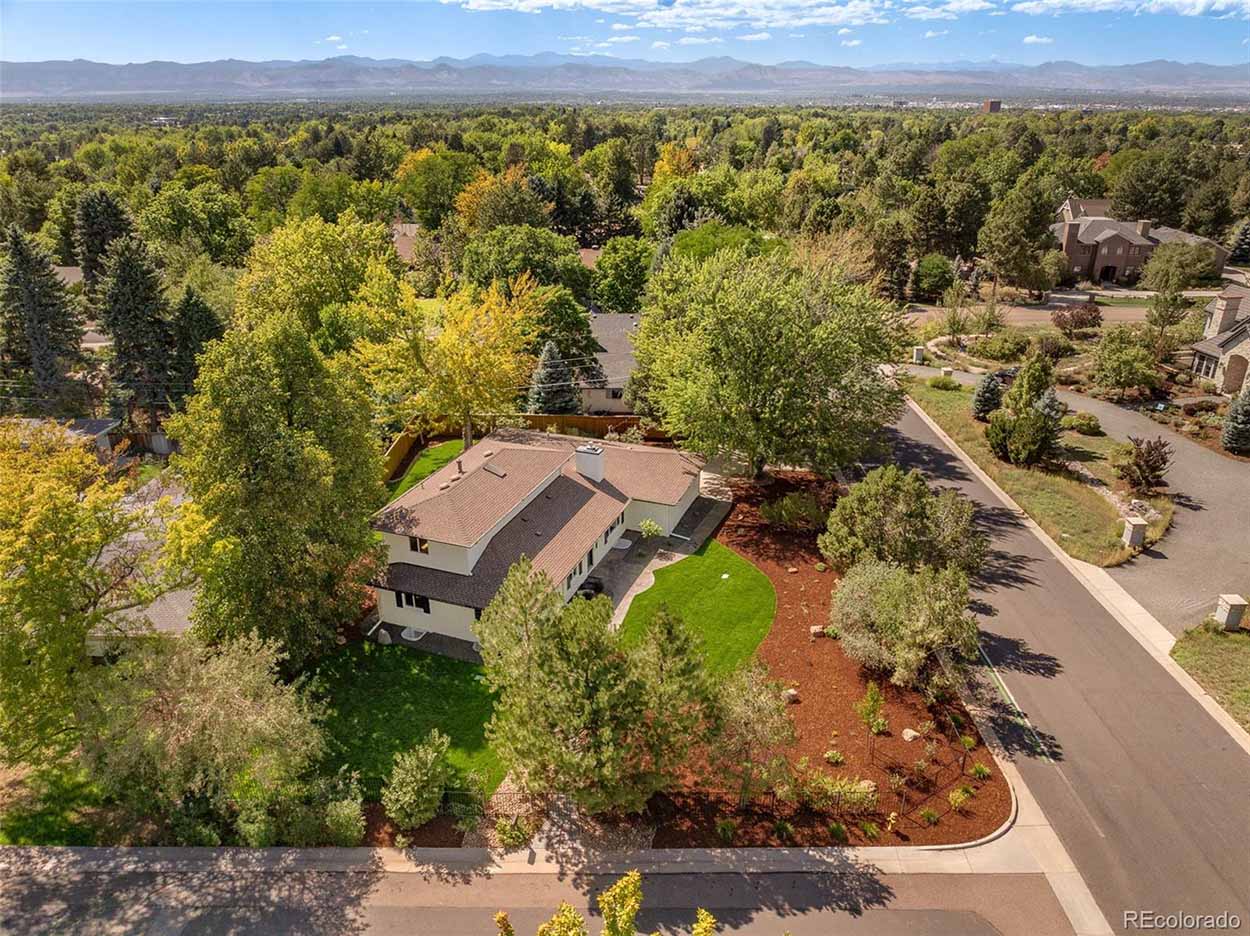
Let me give you the actual number, because everybody guesses high on this.
Using Denver Water's 2026 tiered rates, a typical lawn conversion saves you about 31,500 gallons a year. That sounds like a swimming pool. It is. But in dollars, it works out to roughly
So call it a couple hundred bucks a year. Nice. Not life changing.
Now look at what it costs to actually do the conversion. Turf removal and a real Coloradoscape runs $5 to
Do that math and your payback on water savings alone is measured in decades. If you stopped reading here you would say forget it, keep the grass, take the two watering days.
But that is the part people miss.
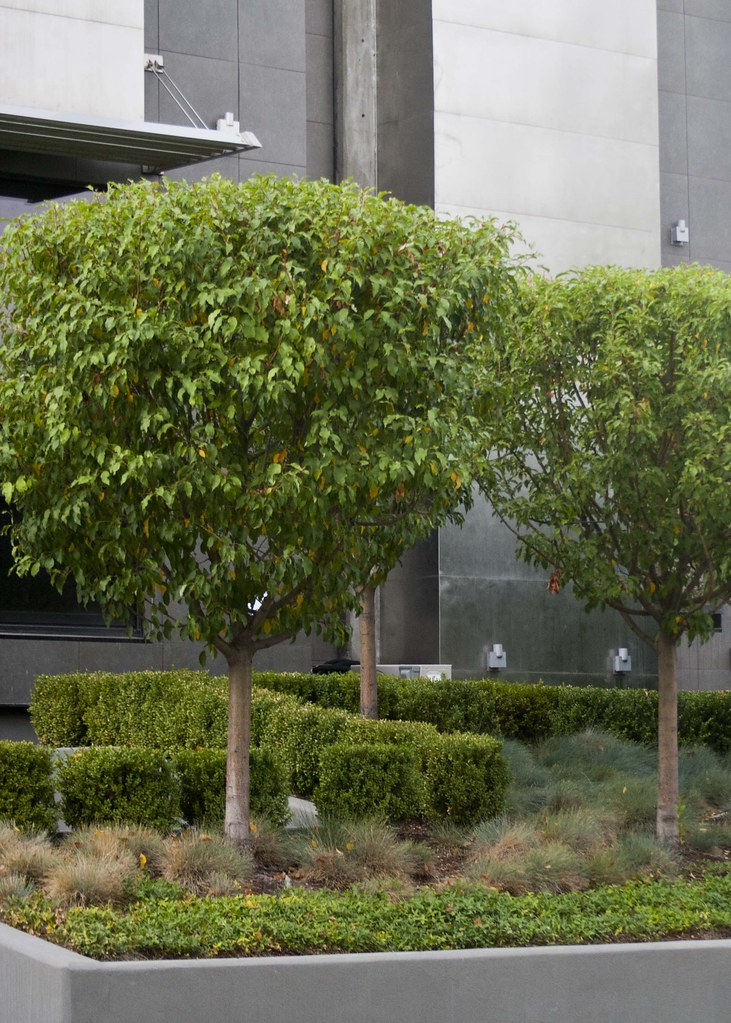
This is where it gets lopsided, and it is the reason I keep telling clients not to think about this as a water bill decision.
Scott Curry, an assistant professor at Colorado State University in the Landscape Design and Contracting program, ran the value analysis on this. Research in landscape economics journals shows well designed, mature landscaping raises home value 5% to 12% compared to plain turfgrass. Not xeriscape versus grass in some abstract sense. Actual dollars on the actual sale.
So plug in the Front Range median sale price, which sat around $593,000 in early 2026. That 5% to 12% premium is an estimated
Read that again next to the $5,000 conversion cost.
Even at the conservative end, a $5,000 front yard could return almost six times its cost in property value. Long before the water savings ever add up to anything. The
I mean, honestly, there are not many home projects where the math is this clean.
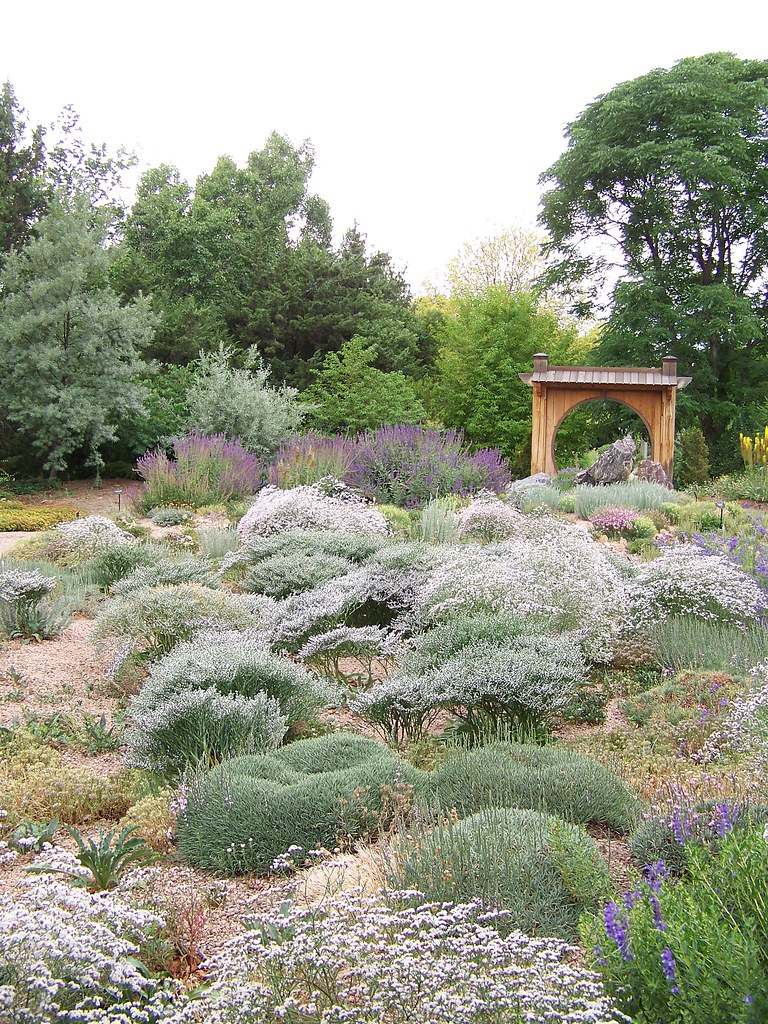
Here is the honest asterisk. A new Coloradoscape does not hit its full effect the day the crew leaves. These take roughly two to five years to mature before they look and appraise like the finished product.
So if you are planning to sell next spring, ripping out grass in October is not going to hand you the full premium. This is a play for people who are staying put a few years, or planning ahead. Hayley and I talk about this all the time with the flip crowd. The turf conversion is a live-in-it improvement, not a stage-it-and-list-it trick.
Denver Water is not neutral on this. They want the grass gone.
They coined and trademarked the term "xeriscape" back in 1981, and these days the preferred word is "Coloradoscape," with design plans built jointly with Denver Botanic Gardens. So you are not starting from a blank page. There are actual plans.
For 2026, Denver Water offered residential customers discounts of up to $750 on Resource Central's turf removal service, plus the Cash for Grass rebate program on top of that. Stack those against the conversion cost and that $5,000 front yard starts looking like $4,000 or less.
And the water numbers behind all of this are wild when you see them side by side. Kentucky bluegrass can demand 40 to 60 gallons of water per square foot every year. Xeriscape? 10 to 15. CSU Extension puts peak summer bluegrass need at up to 2.25 inches per week, which under two watering days a week is genuinely hard to hit legally right now.
One more thing, because people worry about it. If you have an HOA breathing down your neck, Colorado's 2021 House Bill 21-1229 bars HOAs from forcing homeowners to keep traditional bluegrass during drought. You have the right to xeriscape statewide. Nobody in your neighborhood association can make you keep pouring water on a lawn.
You want proof this is moving real listings? Look up the ladder.
The Denver Gazette's Sept. 16, 2026 Home of the Week was a five bedroom at 3901 S. Cherry St. in Cherry Hills Village, priced at
So here is my read on it. Do not tear out your grass to save
The water savings are the bonus. The home value is the deal.