53,000 a year. That is what the State of Colorado now officially says you need to earn to afford the median-priced home here without being what they call "cost-burdened." The median home being around $547,900.
Sit with that number for a second.
Because the state also tells you, in the same report, that the area median income for a Colorado household of four is
27,800. So the typical family of four earns about twenty-five grand less than it takes to buy the typical house. That is not a vibe. That is a math problem, and the state just did the math in public for the first time.
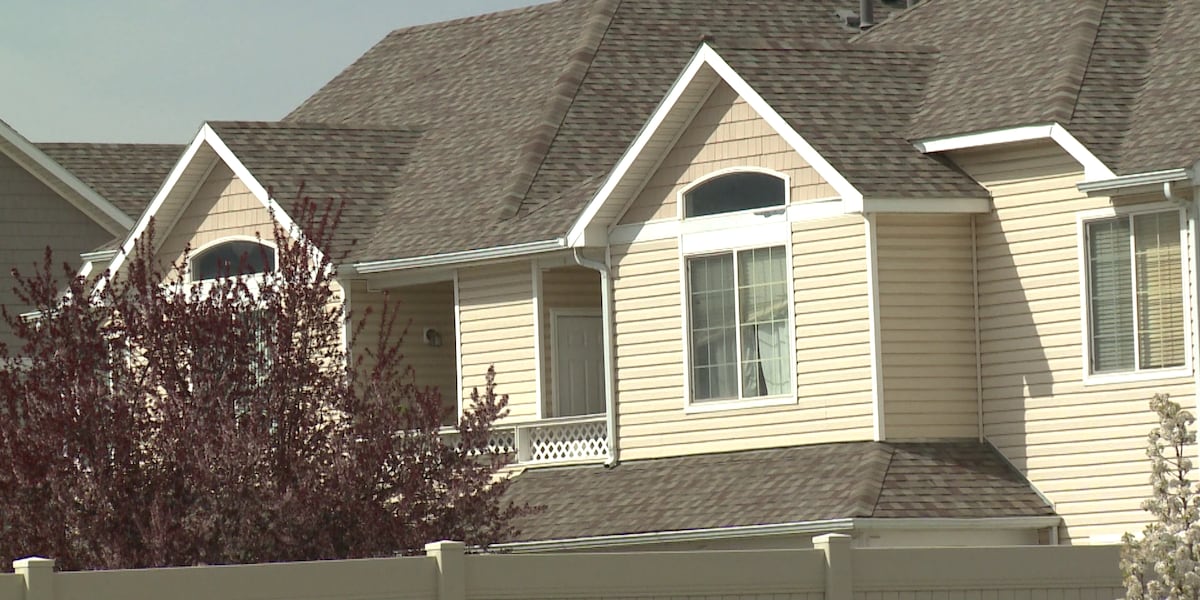 Photo: kjct8.com
What this report actually is
On Monday, Nov. 9, 2026, the Colorado Department of Local Affairs and its State Demography Office released the state's first-ever statewide Housing Needs Assessment. A 159-page document. It got covered all over the place that following week, Nov. 16 and 17.
This did not happen by accident. It was mandated by a 2024 state law, SB24-174, the Sustainable Affordable Housing Assistance act, and now the state has to do this every single year. So this is the baseline. Everything going forward gets measured against it.
And the headline finding is cost burden. Nearly 34% of Colorado households, about 842,900 of them, are spending more than 30% of their income just on housing. Break that apart and it gets uglier. That is 49% of renters, basically half, and roughly a quarter of owners.
Here is the part that stopped me. The report says the last time an average household could afford a median-priced Colorado home without being cost-burdened was 2014. Twenty fourteen. That is not recent history. Hayley and I talk about this all the time, how the people who got in a decade ago are living in a completely different Colorado than the people trying to get in now.
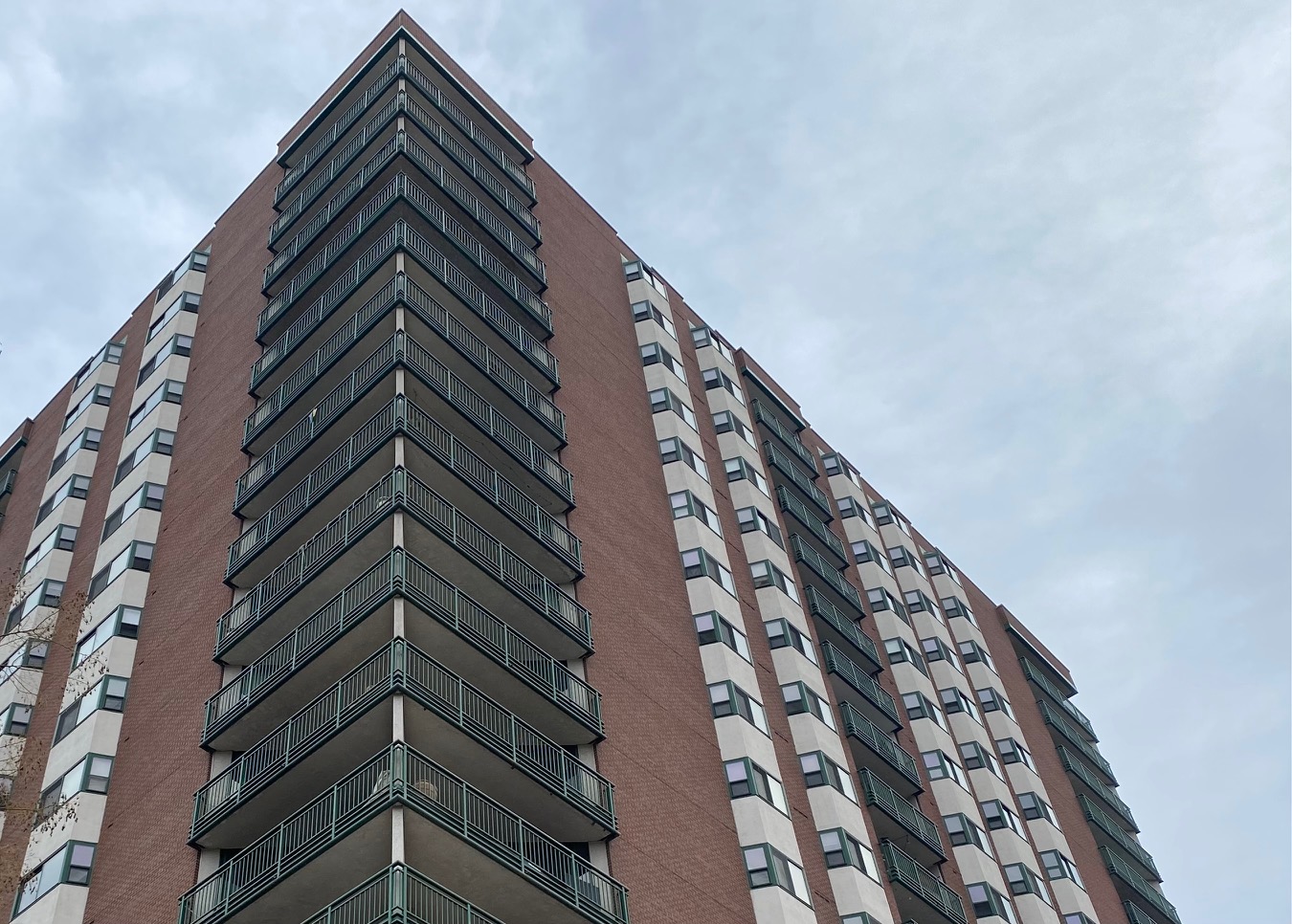 Photo: coloradonewsline.com
Why prices are not coming down to meet you
You would think, logically, that if nobody can afford the house, the price drops until somebody can. That is not what is happening, and the report explains why.
Colorado had 2.75 million housing units as of July 1, 2026, with 64.1% of them owner-occupied. The report estimates an affordable-housing shortfall of roughly 106,000 units. That is the number that would let the state hit a healthy 5% vacancy rate and stop young residents from "doubling up" with three roommates to make rent. And to just keep pace with people moving here and being born here, Colorado needs an additional 30,600 new units a year through 2036.
So you have a shortage feeding a floor under prices. Not enough homes, too many people, prices do not fall.
But and this is the part people miss. The state housing economist, Heather Jones, said flat out that more units alone will not fix affordability. Her point is that building is only one lever. For this to actually get better, incomes would need to rise, rents would need to fall, or mortgage rates would need to drop. Pick one. Ideally all three.
On that last one, mortgage rates, the timing is brutal. The 30-year fixed was sitting around 7.5% as of mid-November, per Mortgage News Daily. A year earlier it was 6.4%. So the money got more expensive at the exact moment the report says affordability is already at its worst since 2014.
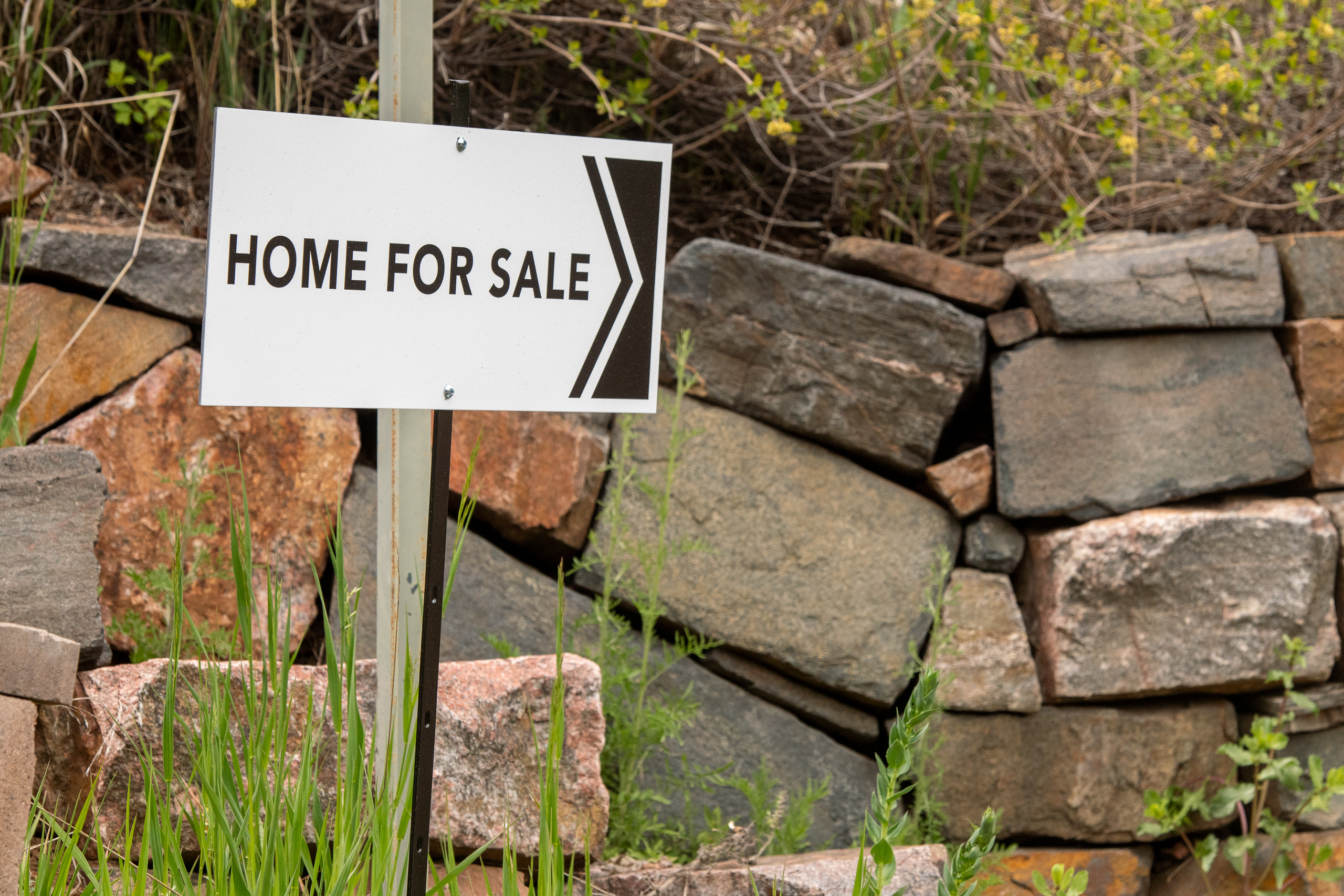 Photo: coloradosun.com
What the market is doing right now
The sales numbers back it up. In the seven-county Denver metro, October closed sales fell 20.6% year over year, down to 3,473. Pending contracts dropped 18.9%. People are stepping back.
But the median price? It slipped 0.9%, down to $619,000. Basically flat. That is the whole standoff in one stat. Way fewer people buying, and prices barely budge. Buyers cannot afford it, sellers will not blink, and the shortage keeps the floor right where it is.
The weird wrinkle, and who gets squeezed next
Here is something the report flags that honestly surprised me. Mountain resort communities and the Front Range actually have a surplus of apartment units. So you can find a place to rent. You just cannot find a place to own. The ownership door is the one that is closed, which is exactly backwards from how we usually think about a housing shortage.
And looking ahead, the report projects 238,000 more Coloradans with disabilities by 2036. That is a whole new wave of demand for accessible housing, on top of everything else already breaking.
So what do you do with all this if you live here?
If you own, you are sitting on the reason prices are not dropping, and you probably locked a rate that looks like a gift right now. If you are trying to buy, this report is not here to scare you off. It is here to tell you the gap is real, it is measured, and it is not your imagination.
53,000 to buy the median home.
27,800 is what the typical family of four actually makes. That gap is the whole story, and now the state writes it down every year.
That is the part worth watching. Not this one report. The next one, and the one after that, and whether any of those three levers, incomes, rents, or rates, ever actually move.
 Revolutionizing · Modernizing · Simplifying