 Revolutionizing · Modernizing · Simplifying
Picture two numbers sitting next to each other. The income you need to buy the median Colorado home: about
That gap is roughly $50,000 a year. And here is the part people miss. Back in 2013, that same gap was about
So yeah. Something broke, and now the state has finally put a 159-page number on it.
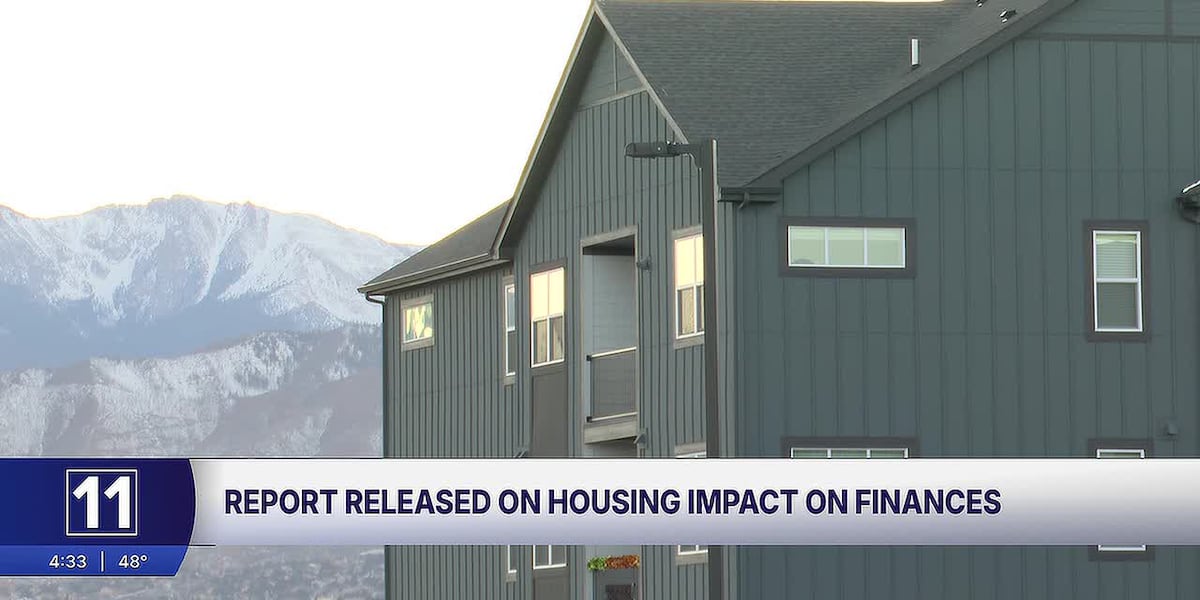
On Monday, Nov. 9, the Colorado Department of Local Affairs and its State Demography Office dropped the state's first ever statewide Housing Needs Assessment. News coverage ran all the way through Nov. 16 and 17. They previewed it the Friday before at the 44th annual State Demography Summit, which is exactly the kind of event I find weirdly fun and Hayley does not.
This report did not happen because somebody felt like writing one. It was required by SB24-174, the Sustainable Affordable Housing Assistance law from 2024. The state basically ordered itself to go measure the problem.
And the headline measurement is that
Read that twice. The income to qualify was higher than it is now, and the typical paycheck was lower. So technically the gap shrank a little. Not because things got easy. Because home prices have stayed relatively stable for about three years while incomes crept up slowly. That is the whole good news section, and it is thin.
Here is the stat that actually stopped me. Nearly 34% of Colorado households, about 842,900 of them, are cost-burdened. That means they are spending more than 30% of their income just on housing.
Break it down further and it gets worse for renters. Nearly half of Colorado renters are cost-burdened. More than a quarter of homeowners are too, which tells you this is not just a renting problem. People who already own are feeling the squeeze from taxes, insurance, and everything else.
So when somebody tells you the market feels impossible right now, they are not being dramatic. One in three households is living that math every month.

Let me connect a dot the report leans on. As of that Friday, the 30-year fixed mortgage was sitting at 7.5%, according to Mortgage News Daily. A year earlier it was 6.4%.
That one point does not sound like much. It is brutal. On a loan the size you need for a $547,900 house, that is the difference between a payment you can stomach and a payment that makes you close the laptop and go for a walk.
And buyers are voting with their feet. The Colorado Association of Realtors reported statewide October home sales fell about 19% year over year. In the Denver metro's seven counties, sales dropped 20.6% to 3,473 closings. Prices stayed roughly flat, so this is not a crash. It is a freeze. People are not buying because the money does not work, not because the houses got cheap.
Now for the part that surprised me, because it goes against the usual story.
The report says Colorado needs about 30,600 new units every year through 2036 just to keep pace with projected growth. And officials say current construction is roughly in line with that target. So we are building at about the right speed.
As of July 1, 2026, the state counted 2.75 million housing units, with owners occupying 64.1% of them. For a family of four, the area median income runs
So if we are building enough units, why does buying still feel impossible? Because supply pace and affordability are two different fights. You can build the right number of homes and still have the income gap blow out to $50,000 when rates jump and prices hold. Volume does not fix price. That is the thing most people conflate, and this report quietly separates them.
Most studies get published, get a news cycle, and vanish. This one is built different. The assessment will be updated with quarterly market tracking, giving the state a recurring measure of housing need for the next 10 years.
So instead of one scary snapshot, Colorado now has a running scoreboard. Every quarter, we get to watch that $50,000 gap either shrink or widen in real time.
Here is my honest read on it. If you are shopping the Front Range right now, you already knew the gap existed. You have felt it at every showing. What this report does is make it official and measurable, which matters, because you cannot fix what you refuse to count.
And now the state is finally counting. We will be watching every quarter right alongside you.