 Revolutionizing · Modernizing · Simplifying
Here is a number that should stop you cold. On the average new single-family home in Metro Denver, you are paying about $45,281 in water tap fees alone. Before anybody pours a foundation. Before a wall exists. Before you have picked a single countertop.
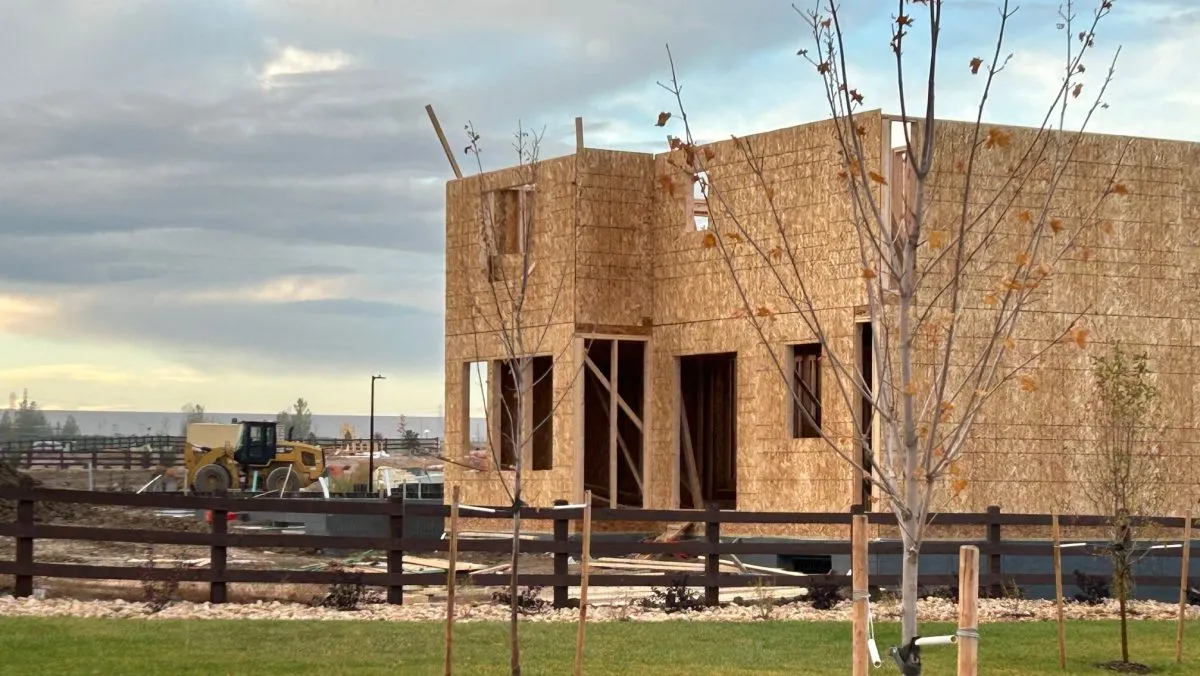
That is not the lot. That is not the house. That is just the right to connect to water.
A Denver Gazette story published Friday, November 13, broke down where all that money goes, and the short version is this. Water fees are now the single biggest chunk of development charges in the metro. On average they make up roughly 60% of what it costs to get a new home cleared, and depending on where you build, that water number lands somewhere between
Most people never see this part. It is baked into the price. You tour the model, you fall in love, you sign. But a big slice of that sticker was spent before the builder ever framed a thing.
The HBA of Metro Denver put out a 2026 Development Fee Study, and they ran the numbers on a standardized single-family detached home. Here is the breakdown.
About $5,229 in permit fees. About $8,709 in use taxes. About
For an attached home, a townhome or paired product, it comes down a little. Roughly $3,145 in permits, $5,575 in use taxes,
Morgan Cullen, director of government affairs for the HBA of Metro Denver, says development fees have climbed 8% in just the past year. And in some communities they have more than doubled over the past five years.

So why does it all land on water and tap fees instead of, you know, a normal tax?
Cullen points at TABOR. Because TABOR blocks local governments from slapping on new taxes to cover the cost of new growth, cities lean on development fees and tap fees instead. It is the lever they are allowed to pull. So they pull it. Hard.
And the fees are not spread evenly. This is the part people miss.
Castle Rock is the one to watch. Development-related fees down there have roughly doubled over the last five years, and on a 2,500-square-foot home they can push past
Compare that to Denver Water. As of July 1, 2026, the single-family System Development Charge rose to
And if you are looking north, Northern Colorado has its own wrinkle. Water-related costs up there ran from about
Here is the thing. Every one of these dollars rolls downhill to you, the buyer.
The National Association of Home Builders has a stat that sticks with me. For every
And the timing is brutal. Colorado's first statewide Housing Needs Assessment came out November 10, and it found more housing units available than at any point since the years right after the Great Recession. More supply. More homes. And yet prices keep a huge share of households stuck on the sidelines anyway. The inventory is there. The affordability is not.
One more thing Cullen flags, and it is a little counterintuitive. Flat-fee structures can actually push builders to build bigger.
Think about it. If you are paying roughly the same fat water fee whether you build a modest home or a large one, the math quietly nudges you toward the large one, because a bigger house with a bigger margin can absorb that cost better than a starter home can. So the fee meant to manage growth ends up discouraging the exact small, attainable homes we need most.
Castle Rock actually tried to fix this earlier in 2026. They restructured their fees to tie them closer to a home's expected water demand, so smaller homes generally pay less and larger homes pay more. It is a smarter model. Whether more cities follow is the open question.
So if you are shopping new construction anywhere on the Front Range right now, ask the hard one before you sign. How much of this price is fees, and which city am I actually buying in. Because in Castle Rock versus Denver versus Northern Colorado, that answer can swing by tens of thousands of dollars. Same house. Same you. Very different check.
That is the part nobody puts on the yard sign.