 Revolutionizing · Modernizing · Simplifying
Revolutionizing · Modernizing · Simplifying
Revolutionizing · Modernizing · Simplifying
Look up at a hillside near Aspen right now and you might see something that does not belong on a postcard. Brown. Not gold, not butter yellow, brown, with the leaf edges scorched like somebody held a lighter to them.
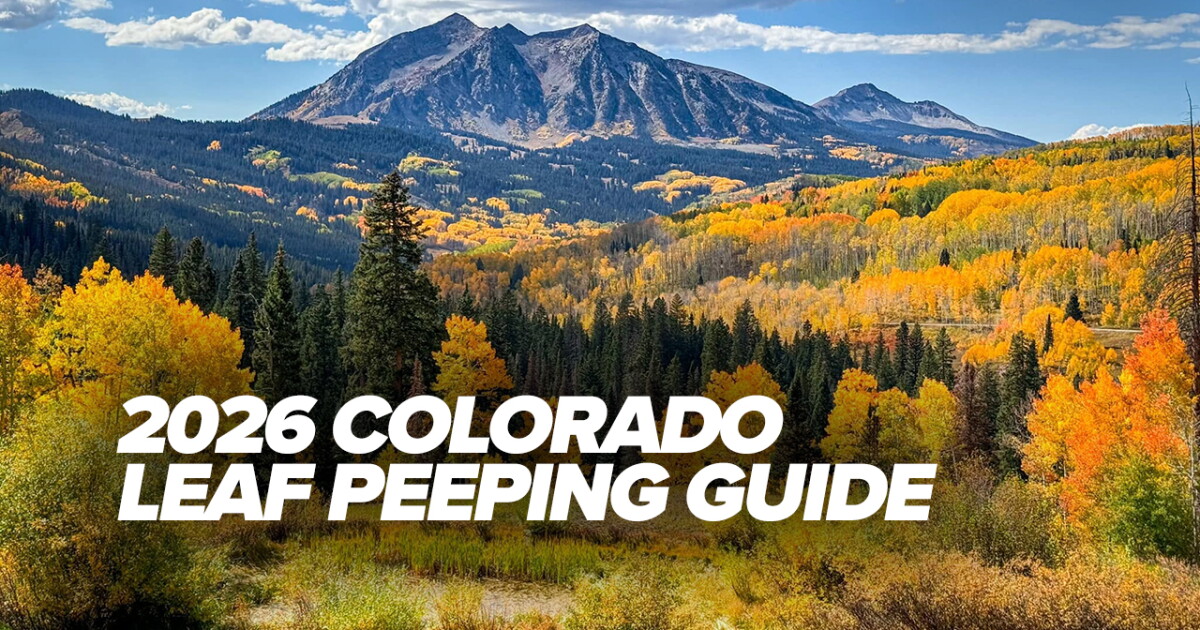
That is not how this is supposed to go. And this year it is happening all over the state.
Here is the real story on Colorado's fall color in 2026. A hot, dry summer left the aspens stressed out, and when an aspen is that stressed, it does not put on the show. John Murgel, a horticulture and natural resources extension specialist with Colorado State University Extension, put it plainly. In a bad year like this one, "trees all over the place are scorching." Instead of turning that clean yellow we all drive up into the mountains for, the leaves are browning out from the stress.
So the timing rules everybody memorized last September? Throw them out. Move everything up.
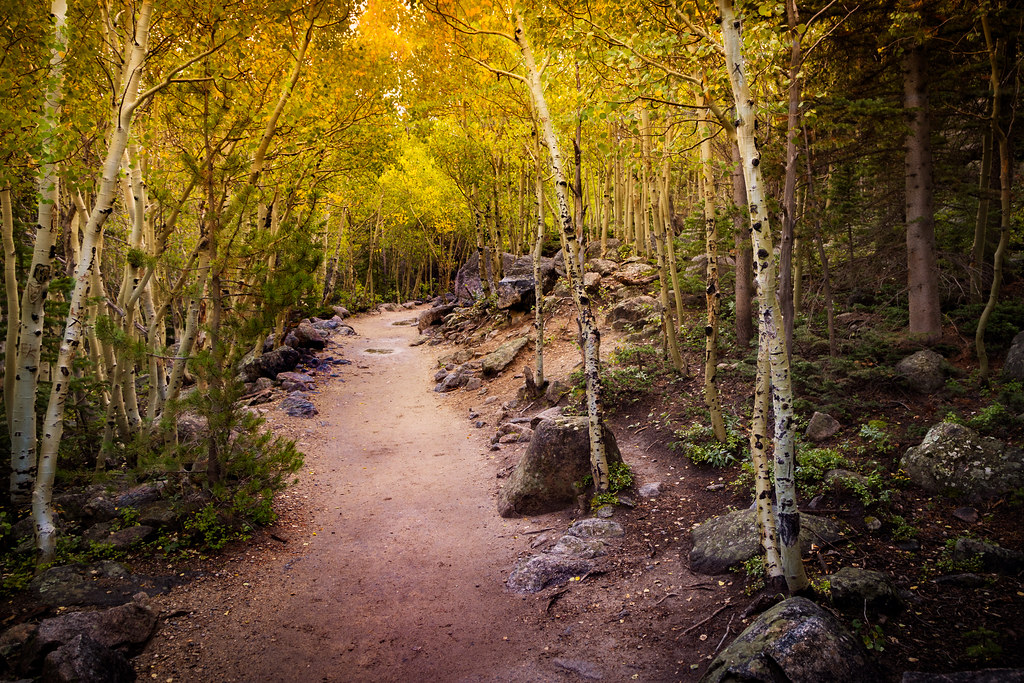
Forecasters expect peak color statewide to land roughly a week ahead of a normal year. Part of that is the drought. Part of it is Colorado's record-low snowpack, which just piles onto an already dry landscape. Add it all up and you get an earlier peak, and in the stressed areas, a shorter one too. Denver7's 2026 leaf-peeping guide is calling for the show to start earlier and wrap faster than usual in the hardest-hit spots.
The good news, and there is good news, is that it is uneven. The places that caught real summer storms still have moisture in the ground, and those hillsides can still go absolutely brilliant. So this is not a lost year. It is a precision year. You have to be in the right place, at the right elevation, in the right week.
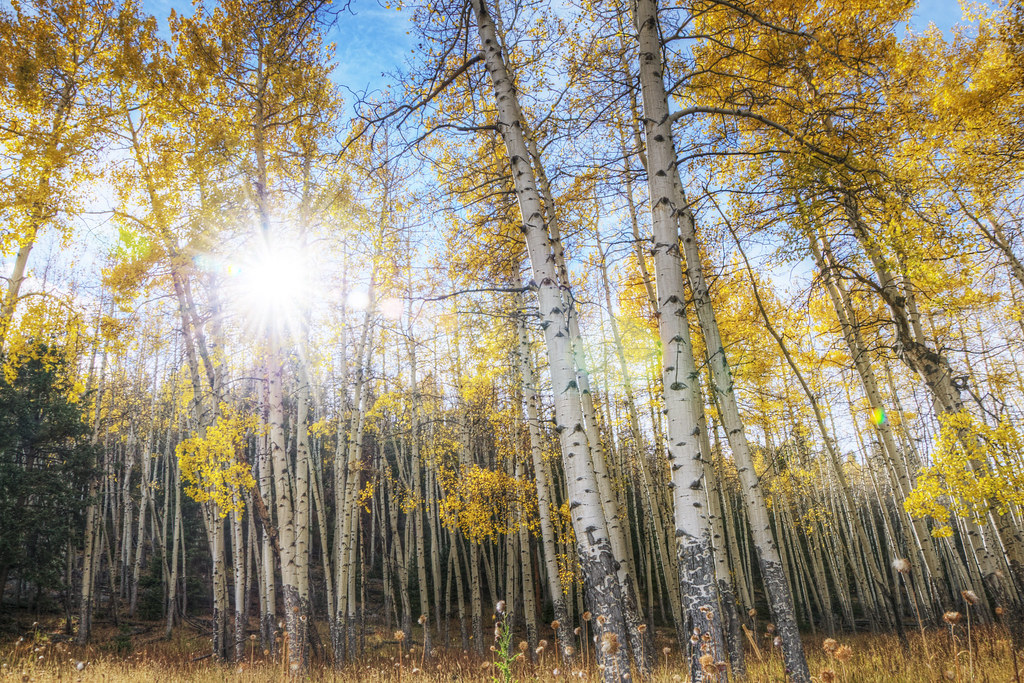
Most people do not realize how predictable this is once you know the pattern. Color starts highest and works its way downhill, dropping about a thousand feet a week. It also starts in the north and travels south. The northern mountains usually begin turning around the third week of September, and the wave of gold reaches the southern ranges by the second week of October. Statewide, peak lands somewhere between late September and mid-October.
And here is the part that trips people up. A single hillside holds peak for barely a week. One week. So if you are the type who says "we will go next weekend," next weekend the good stuff might be on the ground.
That means chase elevation. When the high slopes brown out or blow bare, drop down a thousand feet and you are back in fresh color.
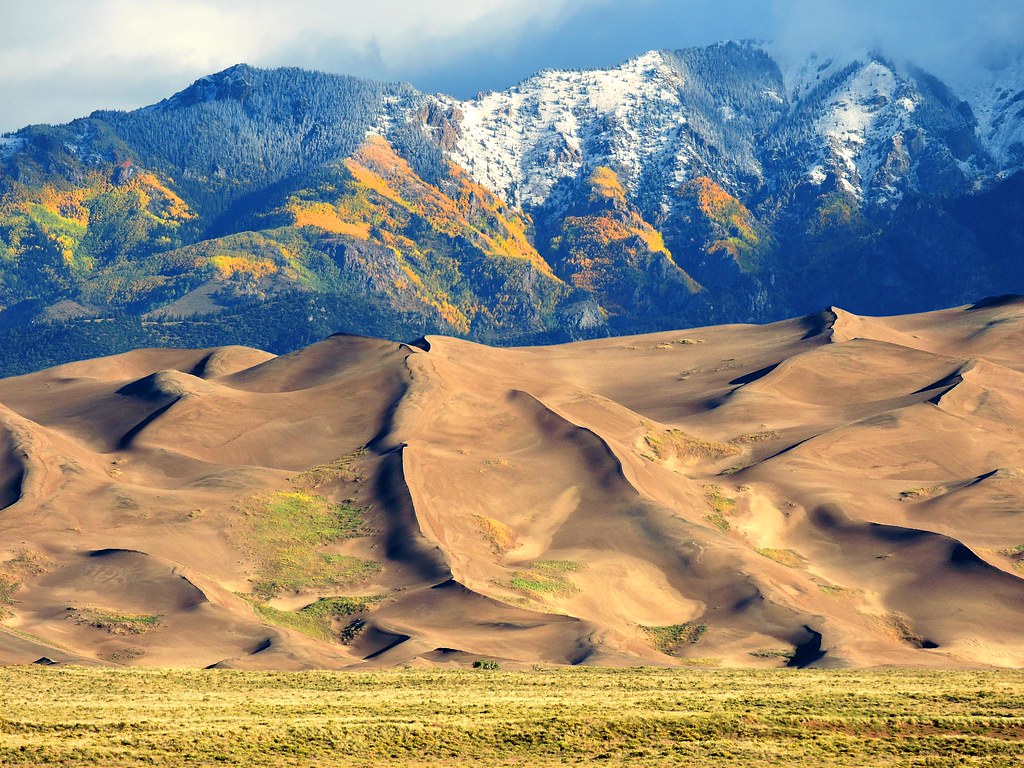
Start high, because the highest roads close first for winter.
Independence Pass tops out at 12,095 feet, joining Twin Lakes and Aspen. It is the highest paved through-road in the state, and it shuts down early for the season, so fall is a genuinely short window to catch gold up on the highest slopes. Cottonwood Pass is right there in the same tier, crossing the Continental Divide at 12,126 feet with aspens changing on the way up and the way back down.
Then there are the Maroon Bells, southwest of Aspen, widely considered the most photographed mountains in North America. Worth your attention, but plan for it. In season you need a shuttle or a parking reservation, this is not a roll-up situation. Figure roughly 3.5 hours from Denver via I-70 and CO-82.
If you want a drive that does the work for you, Boreas Pass Road near Breckenridge runs 22 miles framed in yellow aspens against green pines, and it takes you past a ghost mining town with the structures still standing. That one is a whole day, easy.
Not everybody can burn a day and half a tank getting to a 12,000-foot pass. I get it. Hayley and I do the big drives when we can, but some Saturdays you just want leaves and a trail without the three-hour commitment.
Golden Gate Canyon State Park delivers that. So does Conifer. Both give you real aspen color and actual trails without a long mountain-pass slog, and they are close enough that you can be home for dinner.
Here is the thing. In a normal year you can be a little lazy about fall color and still catch it. Not in 2026. The drought pulled the whole calendar forward and made the good hillsides more scattered than usual.
So do this. Go earlier than you think. Go higher than you think, then chase the color downhill as the high stuff fades. And keep your expectations honest, because some of what you drive past this year is going to be brown and crispy, not gold. That is the drought talking, and Murgel called it weeks ago.
But find the hillside that caught the summer rain, at the right elevation, in its one good week, and it will still stop you cold on the side of the road.
Buckle up. This window is short.