 Revolutionizing · Modernizing · Simplifying
Revolutionizing · Modernizing · Simplifying
Revolutionizing · Modernizing · Simplifying
1910. Weld County. A messenger for the Colorado Governor's Office decides he is going to build a town for Black families out on the high plains, and he actually does it.
His name was Oliver Toussaint Jackson. The town was Dearfield. And on October 3, 2026, the people who have been quietly saving it for years are opening the doors back up to the public.
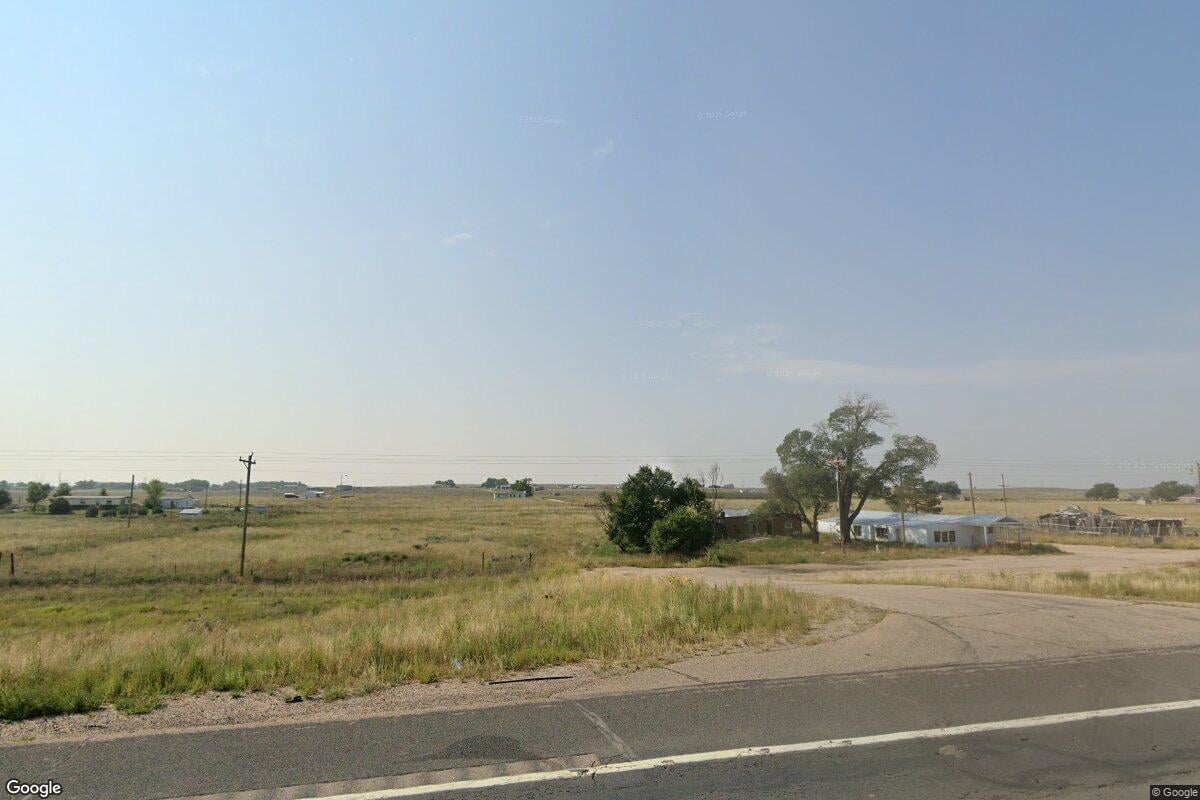
Here is the thing. Most people driving Highway 34 out toward Fort Morgan blow right past the exit. What is left of Dearfield sits there looking like a couple of weathered buildings and a lot of sky. But the real story on this place is bigger than what you can see from the road, and this fall is your chance to walk it.
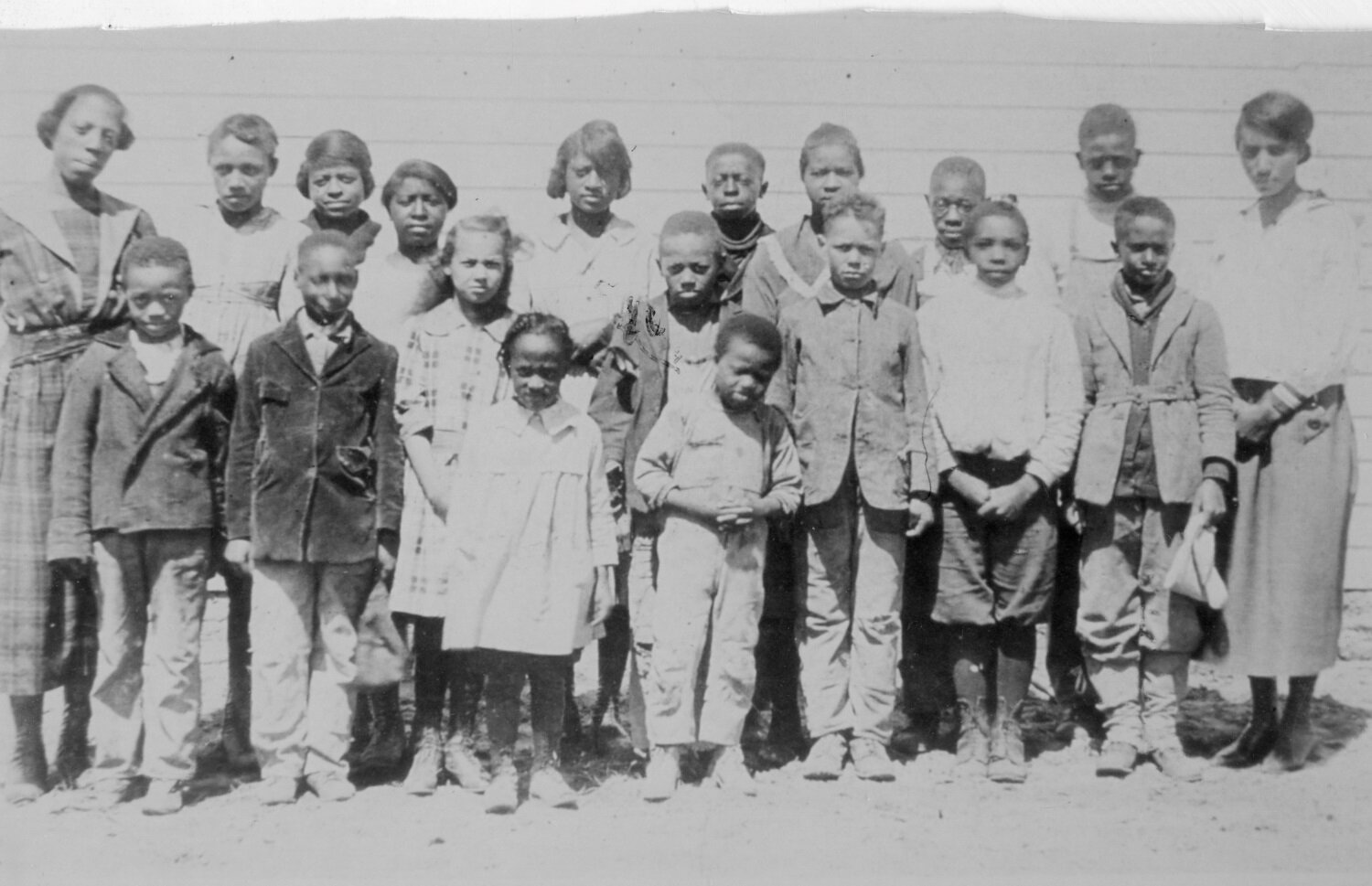
Jackson founded Dearfield in 1910 and the town got organized in 1913. From there it coordinated the development of roughly 17,000 acres of homesteaded farms and ranches. Seventeen thousand. This was not a hobby settlement. It was a working farm economy built on Booker T. Washington's idea of self-sufficiency, Black families owning their own land and running their own ranches at a time when that was rare and dangerous.
And it worked. For a while, Dearfield thrived.
Then the 1930s hit. The Great Depression and the Dust Bowl came for the plains, and Dearfield did not survive it the way it had survived everything else. Families left. The farms went quiet. The town emptied out.
It landed on the National Register of Historic Places in 1995, which sounds like protection but honestly is mostly honorary. A plaque, basically. That distinction matters more than people realize, and I will get to why.
So for Dearfield Day on October 3, the Dearfield Preservation Committee is reopening the settlement's original filling station. This thing is about a century old. Inside they are putting exhibits, site interpretation, and authentic objects, the actual stuff of the town.
There is going to be entertainment built around the sounds and flavors of Dearfield's heyday. So you are not just staring at old boards. You are getting a feel for what this place sounded like and tasted like when it was full of people.
And the timing is not an accident. This year Colorado marks 150 years of statehood. So while everybody is celebrating the state's story, the people at Dearfield are making sure a chapter that almost got erased from the map gets told out loud.
The Black American West Museum and Heritage Center in Denver owns about 80 percent of Dearfield, and it leads the preservation committee. Their partners include the University of Northern Colorado, and this is where you get the real people who have poured years into this. George Junne and Bob Brunswig, a retired UNC archeology professor, have spent years working to keep Dearfield from disappearing for good.
Here is what they are actually fighting for. The committee wants Dearfield made a National Historic Site under the U.S. Park Service. That is a big jump from the National Register plaque. A National Historic Site would bring tighter preservation protections, the real kind that keep a place standing.
And that jump matters because of the numbers. The National Park Service has managed 423 units, and only about 14 percent of them are devoted to Black stories, according to Boulder Weekly. So you can see why a place like Dearfield fights so hard to get on the list. Being overlooked is basically how it almost vanished in the first place.
The museum leading all this is a story on its own. Paul Stewart founded the Black American West Museum in 1971, and it sits in Five Points inside the restored Victorian home of Dr. Justina Ford.
If you do not know that name, you should. Dr. Justina Ford was Colorado's first licensed African-American female physician. She arrived in 1902 and practiced in northeast Denver for five decades. She estimated she delivered more than 7,000 babies. Seven thousand. Think about how many Denver families exist today because of that one woman working out of that house.
And that house is why the Five Points block still carries weight it does. When you talk to people about the value of a neighborhood like Five Points, so much of it comes back to these anchors, the homes and buildings that hold the real history in place. You lose those and you lose the thing that made the neighborhood matter. Dearfield is the same story just an hour northeast, and right now it is being held together by a committee and a hundred-year-old gas station.
Dearfield Day is October 3, 2026, out in Weld County. The filling station reopens with the exhibits and the food and the music, and you get to walk ground that most people have driven past their whole lives without knowing what was there.
Oliver Toussaint Jackson built something almost impossible out here. The least we can do is show up and make sure it does not get erased twice.