 Revolutionizing · Modernizing · Simplifying
Revolutionizing · Modernizing · Simplifying
Revolutionizing · Modernizing · Simplifying
Six bear attacks. It is August.
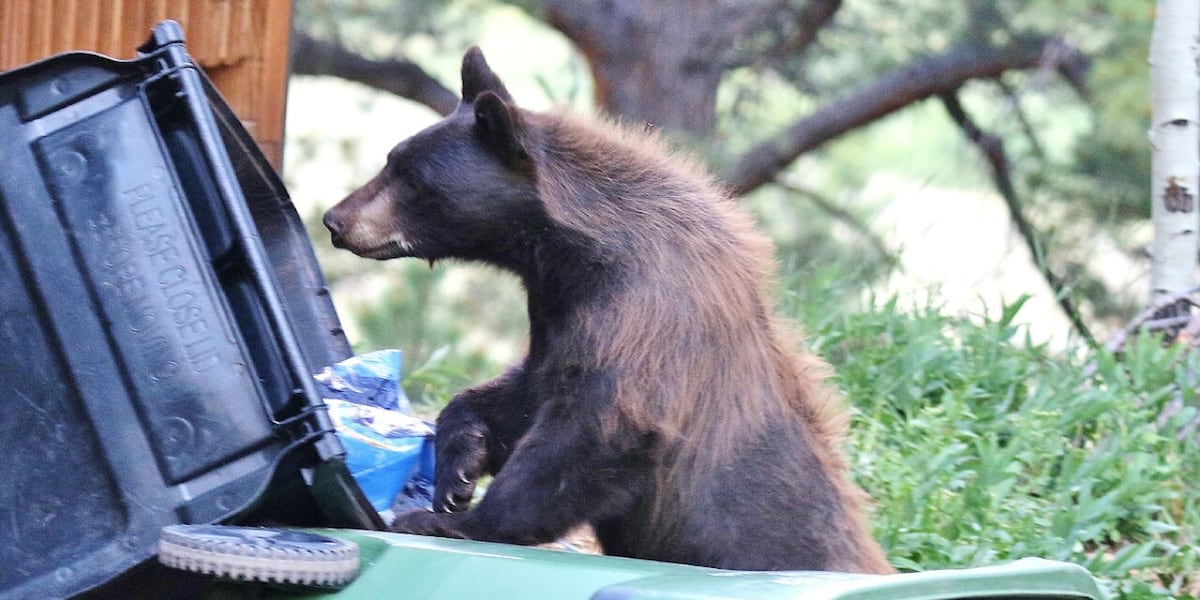
That is not a full-year number. That is where Colorado sits right now, and if you have been paying attention this summer, none of it is a surprise. What is a surprise is how fast the numbers are stacking up.
Colorado Parks and Wildlife responded to 6,129 reports of bear sightings and conflicts statewide between January and August, according to CPW data updated August 24, 2026. That is more than 6,000 reports. And it is nearly double what the state saw over the same stretch last year.
CPW says the year is on track to break the state record. In August. With the hardest part of the bear calendar still coming.
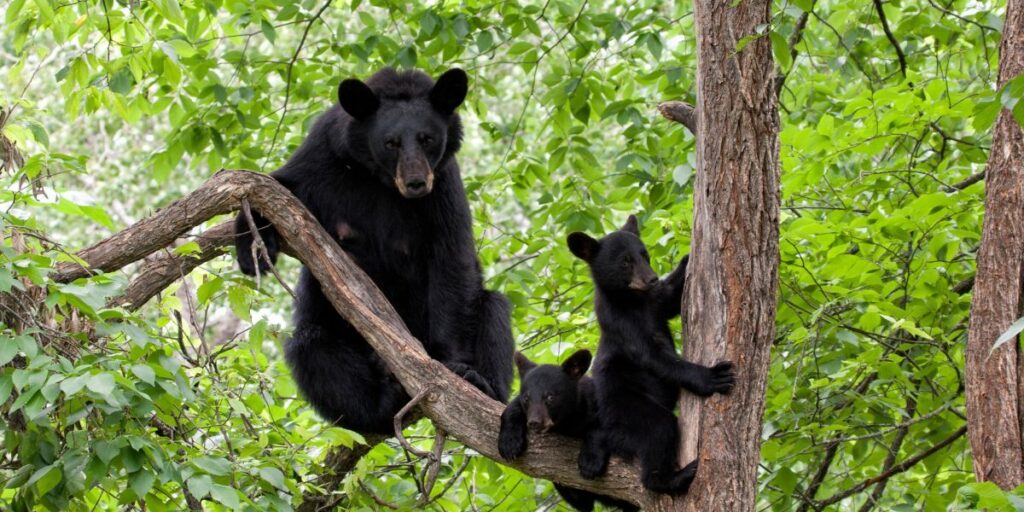
Here is the part people miss when they see a big number. It is not just sightings. It is teeth.
A bear attack in Jefferson County on Friday injured an angler. Somebody just out fishing. That was the fourth bear attack in the state that week, and the sixth so far in 2026.
The other two that same week? One came early Monday in Steamboat Springs. Another early Wednesday in Aspen. So we are talking Steamboat, Aspen, and Jefferson County, three very different corners of Colorado, all in a matter of days. This is not one problem bear in one canyon. This is statewide.
And keep in mind, most bear encounters never turn into an attack. Bears want nothing to do with you. So when you see six attacks by late August, that tells you the pressure on these animals is way, way up.
District Wildlife Manager Demetria Wright put it plainly. This year's drought and wildfires have decimated the animals' natural food supply.
Think about what a bear actually eats out there. Berries. Fruits. Nuts. Plants and grasses. CPW says low mountain snowpack, wildfires, and drought have wiped out a lot of that natural food across parts of Colorado. The buffet is closed.
So the bears do what any hungry animal does. They come looking. They come down into neighborhoods, into campsites, into the trash can behind the restaurant, into the cooler you left on the deck. When the wild food is gone, your food is the food.
And honestly, this is the part that connects to everybody living up the hill. If you bought a place in Evergreen or Conifer or anywhere the foothills meet the houses, this is your reality this fall. That mountain-adjacent lifestyle everyone wants comes with a neighbor who weighs 300 pounds and has not eaten enough. It is not a reason to skip the mountain house. It is just a reason to lock the trash.
Now the part that should actually change your behavior.
CPW warns encounters could climb into fall. Because as bears head toward hibernation, they enter a feeding frenzy. Officials say a bear can spend up to 20 hours a day searching for food to pack on fat before winter.
Twenty hours a day. Eating. That is basically a full-time job with two hours of overtime. And a bear that already cannot find berries in a drought year is going to be relentless about it.
So the encounters we are seeing now in August are not the peak. The peak is coming. Right when the aspens turn and everybody wants to drive up for leaf season and one last hike, the bears will be at their most desperate.
The agency is ramping up community outreach on bear safety. In Monument, officials are among those pushing residents hard to remove bear attractants. That means the obvious stuff and the stuff people forget.
Secure your trash. Bring in the bird feeders. Do not leave food or coolers in the car overnight. Lock the garage if there is a freezer in there, because bears figure that out fast. CPW is urging residents to stay vigilant outdoors and secure food and trash as the animals move into this crucial pre-hibernation feeding period.
If you are hiking this fall, and you should, just do it smart. Make noise. Do not hike at dawn or dusk with earbuds in and your head down. Keep dogs leashed. And if you fish the same quiet spots that angler in Jeffco was fishing, understand you are sharing that water right now.
Look, the whole reason a lot of us live here is that the wild stuff is right out the door. That is the deal. Six thousand reports by August is the drought talking, and the drought is not something any of us fix by Friday. What we can do is stop being the easy meal.
Buckle up for a loud fall.