 Revolutionizing · Modernizing · Simplifying
Revolutionizing · Modernizing · Simplifying
Revolutionizing · Modernizing · Simplifying
Rent in Aurora went up 122 percent between 2010 and 2024.

Read that again. Not 22 percent. Not a rough decade. It more than doubled. That number comes from Root Policy Research, the contractor Aurora hired to actually measure what is happening to housing in Colorado's third-largest city. And here is the part people miss. Wages went up too over that stretch. Just nowhere close to that fast. So the gap between what a paycheck covers and what a landlord charges kept getting wider every single year.
That is the backdrop for what happened at a city meeting on Tuesday, Aug. 18, 2026.
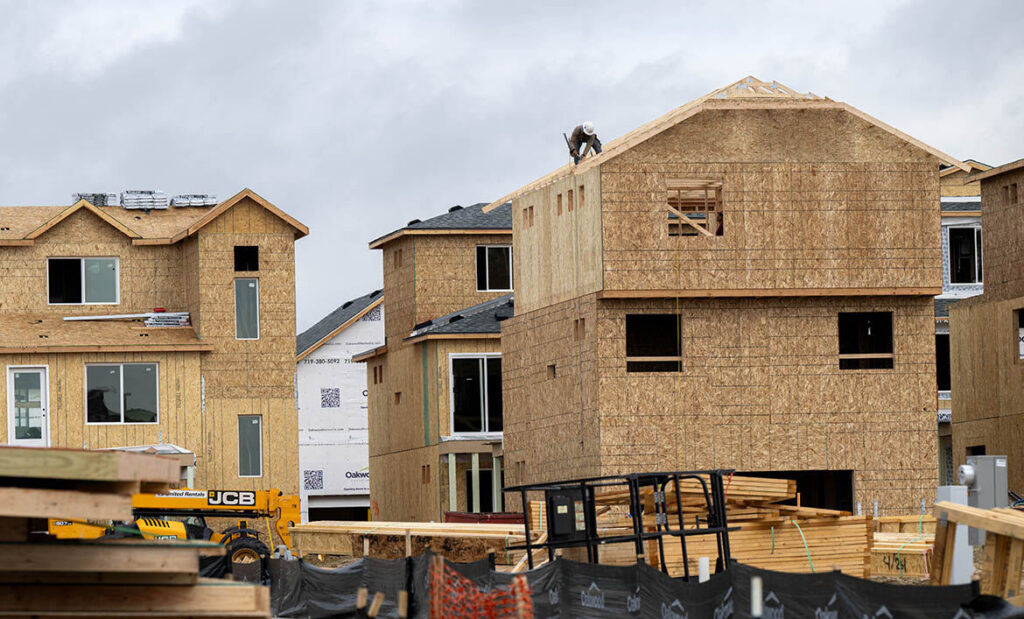
Martin Petrov of the Aurora Housing Authority stood in front of the city's Housing, Neighborhood Services and Redevelopment Policy Committee and put a figure on it. Aurora is short about 12,000 affordable housing units right now.
Twelve thousand. That is not a wish list. That is the hole.
And the timing on this is honestly brutal. Because right as Aurora is holding up that number, Colorado lawmakers went and shifted money away from affordable housing projects and dumped it into the state's general fund to patch a budget shortfall. So the state took a bucket that was already too small and made it smaller.
Aurora housing officials will tell you they were not getting enough to begin with. Petrov's team has been saying for years the funding does not match the need. The state cut just widens a gap that was already ugly.

Here is the thing that should stop you.
Petrov made a point at that meeting that I think most people have not caught up to yet. The whole definition of who qualifies for affordable housing has moved. A decade ago, when someone said "affordable housing," they generally meant serving households at about 30 percent of area median income. The folks at the very bottom.
Not anymore. Rent and housing costs climbed so fast that the line dragged upward with them. Petrov said a household pulling in $60,000-plus a year can now land at 60 percent of area median income. Sixty grand and you are still in the affordable-housing conversation. That is a nurse. That is a warehouse lead. That is two people working full time.
So when Heidi Agler of Root Policy Research told the committee that Aurora's rent increase was steeper than the state overall, and that average annual wages rose but not nearly as quickly, she was not reading a doom chart for fun. She was explaining why the people who need help are not the people you picture. The middle got pulled into it.

This is where Aurora is different from what a lot of folks assume, and it matters.
The Aurora Housing Authority is an independent housing authority. It receives no direct funding from the City of Aurora. None. It runs on public and private debt, grants, and Low Income Housing Tax Credits. It stitches together deals with investors, landlords, nonprofits, and government entities to get projects across the line.
So when the state pulls grant money, it is not some abstract line item. It is a piece of the actual stack these deals are built on. Take out a floor and the building above it gets shaky.
You can see the machinery in the numbers. Aurora's 2026 round-one developer funding window put up
And Aurora already made a public promise here. Under Proposition 123, the city committed to creating 550 affordable units a year, 1,650 new units total by Dec. 31, 2026. That deadline is now. Honestly, holding that pace with the state clawing back dollars is like trying to fill a bathtub while somebody keeps opening the drain.
The city is not sitting still, to be fair.
Aurora City Council approved the Aurora Housing Strategy back in December 2020, and they are updating it now. They launched six ward-based public feedback sessions starting July 22, so if you live in Aurora and you have opinions about this (and if your rent doubled, you probably do), that is the room where it gets said.
But a strategy is a plan, not a bank account. The plan can be perfect and it still runs into the same wall Petrov laid out. Not enough money coming in, and now less of it after the state raid.
Look, this is not just an Aurora story.
Aurora is the third-largest city in Colorado, and what happens to rent and housing supply there ripples straight down the Front Range. When the affordable units do not get built, the people who need them do not vanish. They double up, they move farther out, they stretch a $60,000 income across a market that priced the 60 percent bracket like it was luxury. Hayley and I have watched this pressure push people from one neighborhood to the next for years now, and it does not stay put inside city lines.
The 12,000-unit number is the honest version of it. The state pulling grant money is the part that decides whether that number gets better or worse from here.
Right now the math is not moving in Aurora's favor.