 Revolutionizing · Modernizing · Simplifying
Revolutionizing · Modernizing · Simplifying
Revolutionizing · Modernizing · Simplifying
September 2024. The San Luis Valley's unconfined aquifer, the water that feeds the most intensely irrigated farmland down there, dropped to nearly the lowest level ever recorded. Not this decade. In history.

That is the backdrop for one of the more interesting bets happening in Colorado agriculture right now, and most people outside the valley have no idea it is going on.
So here is the setup. The San Luis Valley grows potatoes. A lot of them. Colorado is the second-largest potato producer in the country, and 92 percent of that crop comes out of this one valley in the south-central part of the state. The whole agriculture economy down there kicks about $481 million a year into Colorado, according to Heather Dutton, who manages the San Luis Valley Water Conservancy District. That district has been around since 1949, and the region pulls off nearly 40 percent of Colorado's total agricultural productivity. This is not a small corner of the map. This is the engine.
But potatoes are thirsty. So is barley. So is alfalfa. All of them want somewhere between 18 and 30 inches of water to grow.
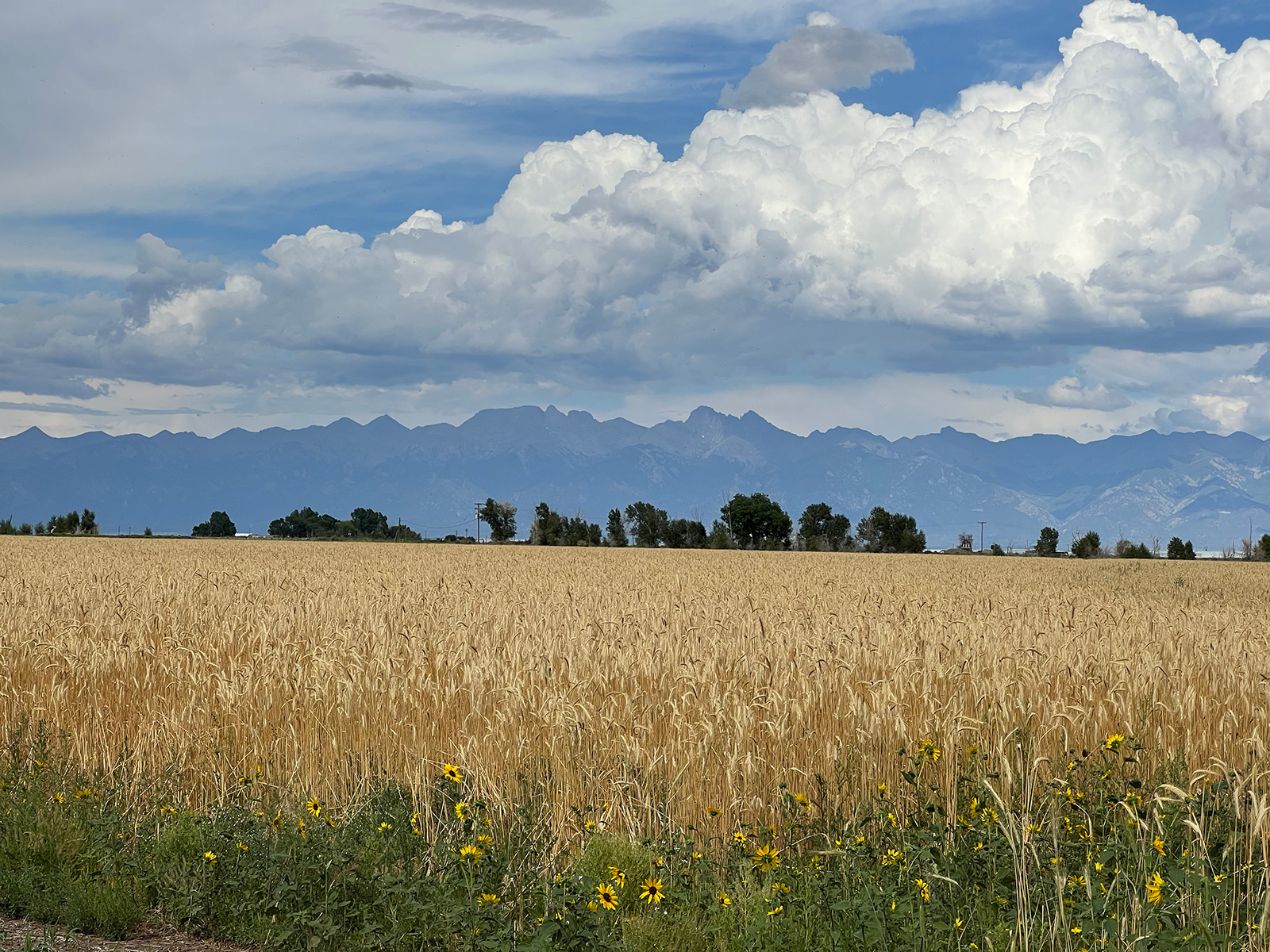
Here is the number that changes everything. Rye needs about 12 inches of water to reach maturity. That is it. Roughly half what the other crops demand.
Dutton ran the numbers and figured that if farmers folded more rye into their crop rotations, the valley could save somewhere between 500 and 1,000 acre-feet of water a year. In gallons, that is roughly 162.5 million to 325 million. Every year. Just by swapping in a grain that does not drink as hard.
That is the whole idea behind the Rye Resurgence Project. It was co-founded by Sarah Jones, a valley farmer who runs Jones Farms Organics out of Hooper, and Dutton from the water district. They officially launched it in January 2024. Colorado Public Radio ran a fresh update on it on August 18, 2026, reporter Hayley Sanchez framing it as exactly what it is. A group trying to build a real market for a water-efficient grain so the farms have a future.
And that market piece is the part people miss. You cannot just tell a farmer to grow rye. You have to give them somebody to sell it to.

This is where it gets good. After the fall 2023 potato harvest, ten farmers each pledged to grow 120 acres of winter rye using only surface water. Not the aquifer. All told, the valley planted about 4,500 acres of winter rye that fall.
Now, that rye needs a home, and the project has been lining up buyers who actually want it. Laws Whiskey House is in. So is Alamosa's Colorado Malting Company, and Colorado Farm Brewery, which is run by Jason Cody. Little Man Ice Cream. Barton Springs Mill, Moxie Bread Co., Roaring Fork Mill, Tumbleweed Bread. Distillers, brewers, bakers, an ice cream shop. A whole chain of people who can turn valley grain into something you actually pay for.
And the varietals have names that sound like something out of a Western. Resurgence Rye. Ryman Rye. Wrens Abruzzi Rye. High-alpine grains, grown at altitude, and if you ask me the branding is halfway to selling itself. A distiller loves a story like that.
The state noticed. The Colorado Water Conservation Board recommended full funding, $405,000, to the water conservancy district for the project. That is real money behind what could have stayed a nice idea on paper.
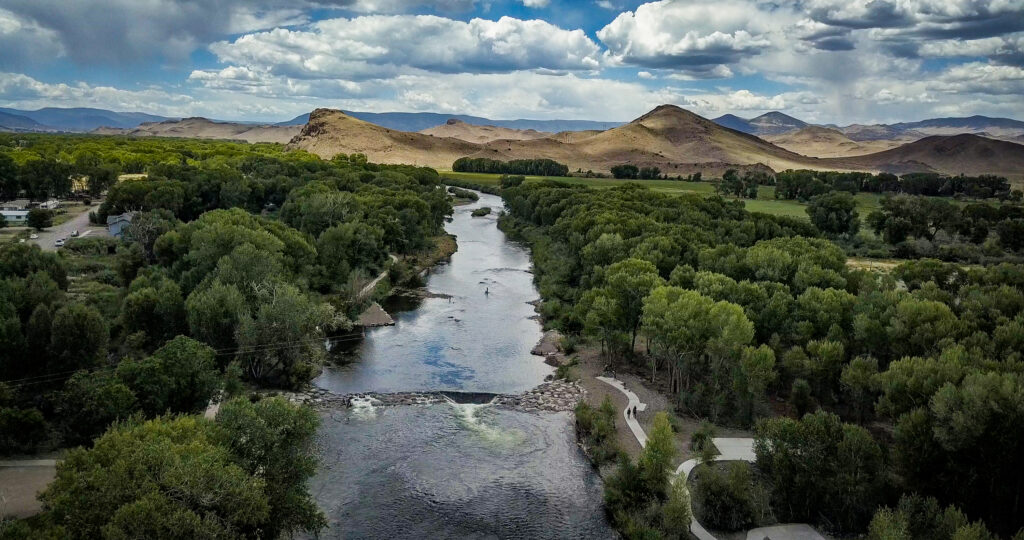
There is a second thing rye does that has nothing to do with your whiskey. Its root system runs deep, and those roots anchor the topsoil in place.
That matters more every year. The dust storms across the valley have gotten worse through the recent drought years. When the water table drops and fields dry out, the soil just lifts and goes. Rye holds it down. So you are saving water and keeping the ground from turning into a cloud at the same time. Two problems, one grain.
Look, I am not going to pretend ten farmers and 4,500 acres solves a historic aquifer crisis by itself. It does not. The valley has been drawing down that water for a long time, and a grain rotation is one tool, not a magic fix.
But here is the thing that makes this worth your attention. This is a women-led project pairing a farmer who works the dirt with the person who manages the district's water, and instead of just begging everybody to use less, they built a business case. Grow the thirsty crop less, grow the thin-drinking one more, and make sure there is a buyer with cash on the other end. That is not activism. That is a supply chain.
Next time you are pouring a Laws rye or grabbing a loaf from Moxie, there is a decent chance you are holding a piece of this. And a valley that produces almost 40 percent of Colorado's farm output is quietly running one of the smartest water experiments in the state, one field of Wrens Abruzzi at a time.
Worth keeping an eye on. Because if this works in Hooper, the rest of the drought West is going to want the recipe.