 Revolutionizing · Modernizing · Simplifying
Thirty-two bear cubs. One tiny nonprofit in Silt. Do that math for a second.
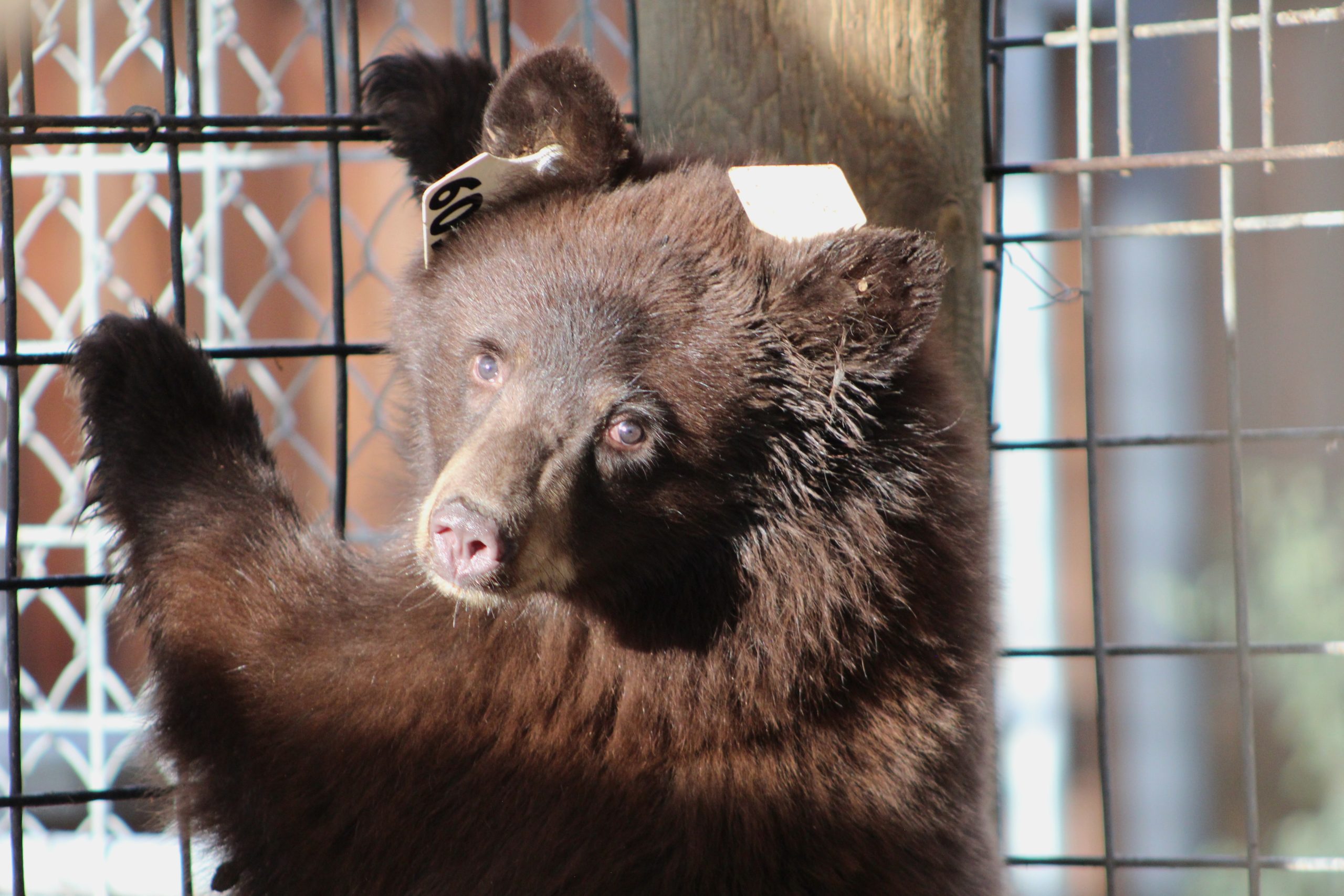
The Pauline S. Schneegas Wildlife Foundation sits just off Interstate 70, out near the Colorado River, east of Grand Junction. In a normal year they take in maybe five to nine orphaned black bear cubs. Last year at this time? Three. This year they are caring for 32, and there is another one expected from Paonia. That is more than ten times what they usually handle, and it is all landing on a volunteer-run operation that gets exactly zero dollars from Colorado Parks and Wildlife.
Most people do not realize how thin the margin is on something like this. The founder and executive director, Nanci Limbach, started this place roughly 45 years ago. Forty-five years. And she is still the only one who handles the after-hours arrivals, which this year has basically become a full-time night shift.
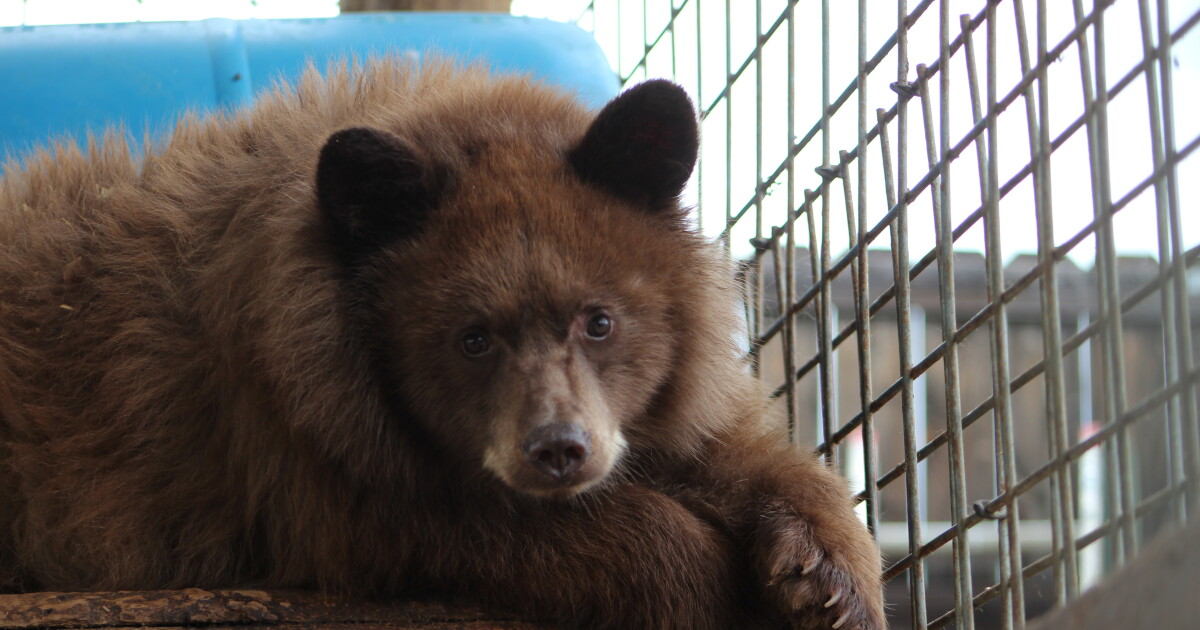
Here is the real story on how a cub ends up orphaned. It is almost never one thing.
Several of these little ones showed up after cars hit their mothers along the roads. Others came in after wildlife officers had to euthanize the mom. And some, honestly, came in because the mother was illegally hunted. Different roads, same ending. A cub with no mother and no idea how to feed itself heading into a Colorado winter.
But the thing sitting underneath all of it is the weather. Limbach points to a spring freeze that wiped out the berries and the acorns, the stuff bears count on. Then the drought dried up the creeks across the Western Slope. So the bears did what hungry bears do. They came downhill. Toward the water, toward the Colorado River, toward the towns where people live. And when a stressed, starving bear starts showing up in your yard, the run-ins follow.
This all happened during what sources are calling Colorado's hottest summer on record. The numbers back up how bad it got for the animals. CPW logged a reported record 10 bear attacks this year. Across all of 2025 they fielded 5,299 bear reports and euthanized 78 bears.
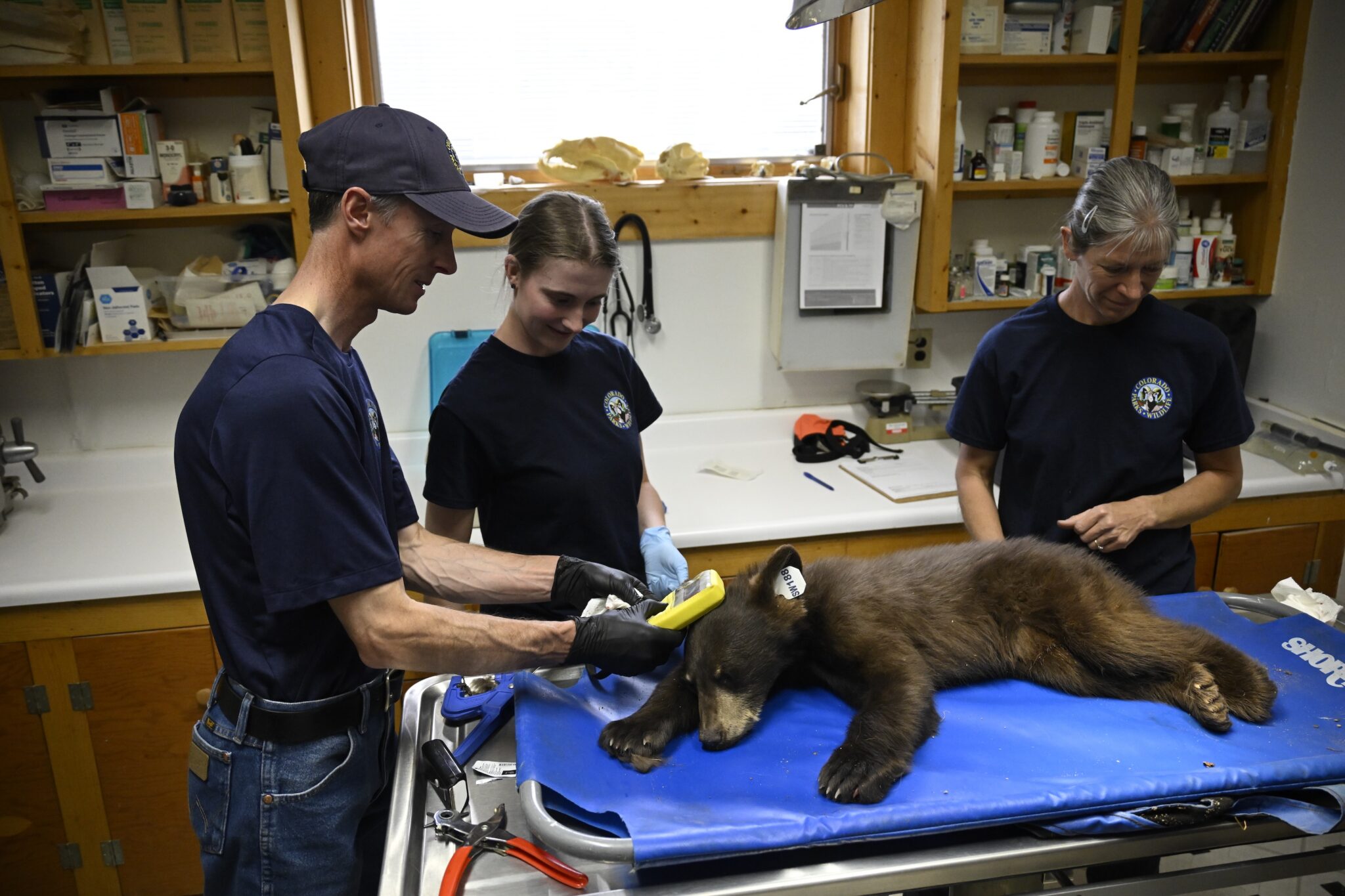
At least half the cubs at the Silt center came in severely underweight. And I mean severely. Two recent arrivals weighed less than 20 pounds each. A cub that age should be at least 50.
Picture that. A bear cub carrying less than half the body weight it needs to survive a winter. That is what a dead creek and a frozen berry crop actually look like when it walks through your door.
This is not just a Silt story either. CPW's Frisco Creek Wildlife Rehabilitation Center in Del Norte had taken in 41 cubs by late September. The year before it was 29, and a typical year is around 20. So the whole system across the state is running overloaded at the same time.

So how do you feed 32 bears when nobody is cutting you a check?
You call your neighbors. Talbott Farms in Palisade donated peaches, and foundation volunteers have been making the weekly drive out to pick them up and haul them back to the cubs. That is the part that gets me. The response to a record-breaking crisis is somebody loading a truck with peaches every single week because it is the right thing to do.
That is a very Western Slope answer to a problem, if you ask me.
Here is the part people miss about rehab bears. They do not just hang out until spring and walk off.
The cubs stay in den boxes until February. Then they get moved to a natural snow cave, and they usually come out in March or April, which is roughly when wild cubs would emerge. But the small ones, the ones that came in way underweight and are not ready to hibernate? They stay awake. They keep eating straight through winter to put on the weight they never got a chance to build, and then they get released in spring.
So Nanci and the volunteers are not looking at a finish line any time soon. They are looking at months of feeding, cleaning, and 2 a.m. arrivals.
Look, this is a Western Slope story on the surface. Silt, Palisade, Del Norte, the Colorado River corridor. But it is really a window into something the whole state is living through.
When the mountains get this dry and the spring freezes hit this hard, wildlife does not just vanish. It moves. It comes down toward the water and toward the neighborhoods, and the collisions go up. For anyone who lives or buys property along that mountain-to-town edge, from Glenwood down to our own foothills, that is worth your attention. The places people love most out here, the ones backing up to open space and creek drainages, are exactly the places where a hungry bear and a human are most likely to cross paths. That is not a reason to stay away. It is a reason to understand what you are moving next to.
And it is a reason to know who is out there catching the fallout. One founder, 45 years in, a truckload of Palisade peaches, and 32 cubs that would not have made it otherwise.