 Revolutionizing · Modernizing · Simplifying
Revolutionizing · Modernizing · Simplifying
Revolutionizing · Modernizing · Simplifying
September 1, 1977. The first issue of Westword rolls off the press. Most of those copies did not make it into anybody's hands. They ended up stacked in Patty Calhoun's garage, because she and her partners had not quite figured out the whole distribution thing yet.
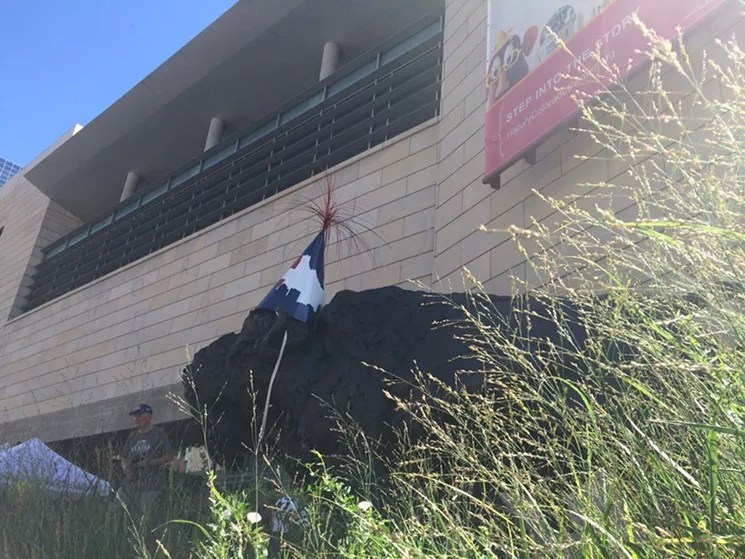
That is how it started. And here is the part people miss. Almost fifty years later, that scrappy operation is still standing.
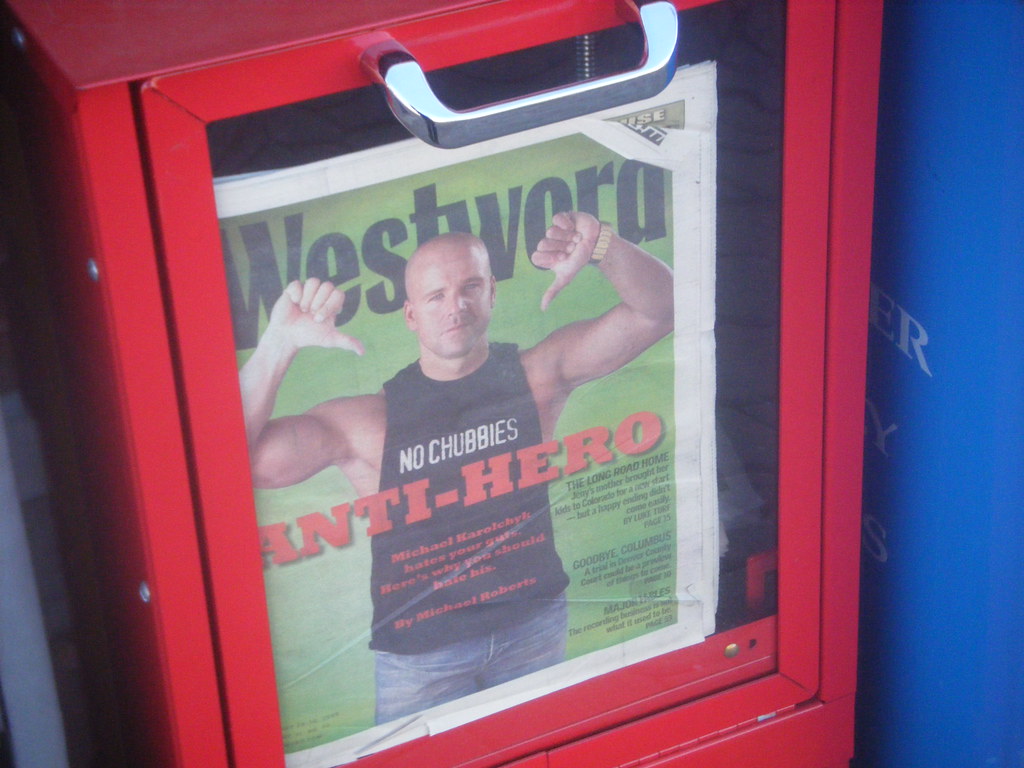
Calhoun co-founded Westword with Rob Simon and Sandy Widener. They pooled $40,000 of their own money, then borrowed more from friends and family, which is the kind of bet that either makes you or ruins you. The Rocky Mountain News ran a piece on September 20, 1977 that basically said good luck, calling it "debatable" whether these newspaper novices would still be publishing a year later.
Cut to 2026. Westword is still locally owned. Still in print and online. There is an office downtown and roughly 2,000 physical distribution points spread across the metro. So much for debatable.
The first office sat just off 16th Street back in 1978, and here is a detail I love. This was before the Sixteenth Street Mall even existed. She was covering a downtown that had not become the downtown yet.
Calhoun served as editor-in-chief from 1977 all the way to 2026. Nearly half a century in the same chair. You do not do that without collecting stories, and the woman has stories.
Ask her about the crankiest politician she ever covered and she names Dick Lamm, Colorado's longest-serving governor, who ran the state from 1975 to 1987 and passed away in 2021. But here is the twist. Same breath, she calls him "the most wonderful to talk to." That is the whole job right there. The people who drove her nuts were often the people worth the ink.
And the cast of characters that came through her orbit is honestly ridiculous. She knew John Hickenlooper back when he was a craft brewer, and she got him to pose in a zoot suit for a Westword cover. Long before the governor's mansion. Long before the Senate. And then there is Joe Rogan, who once walked into her office to audition as the paper's pot critic. Denver in a nutshell.
Starting September 1, 2026, Calhoun stepped into a new role as editor emeritus, and she is doing something with it. She is writing a weekly column. The plan is 50 columns over 50 weeks, counting down to Westword's 50th anniversary in 2027.
In an interview published August 26, 2026, she said the column frees her up to write the stories she never got to, the ones that kept getting pushed aside while she was busy editing and, in her words, dealing with "cranky" politicians. So after decades of running the whole machine, she finally gets to just tell it her way.
That is the part that gets me. The person who chronicled Denver's weird, scrappy, boomtown decades is now going back to write the history she lived through, on her own terms.
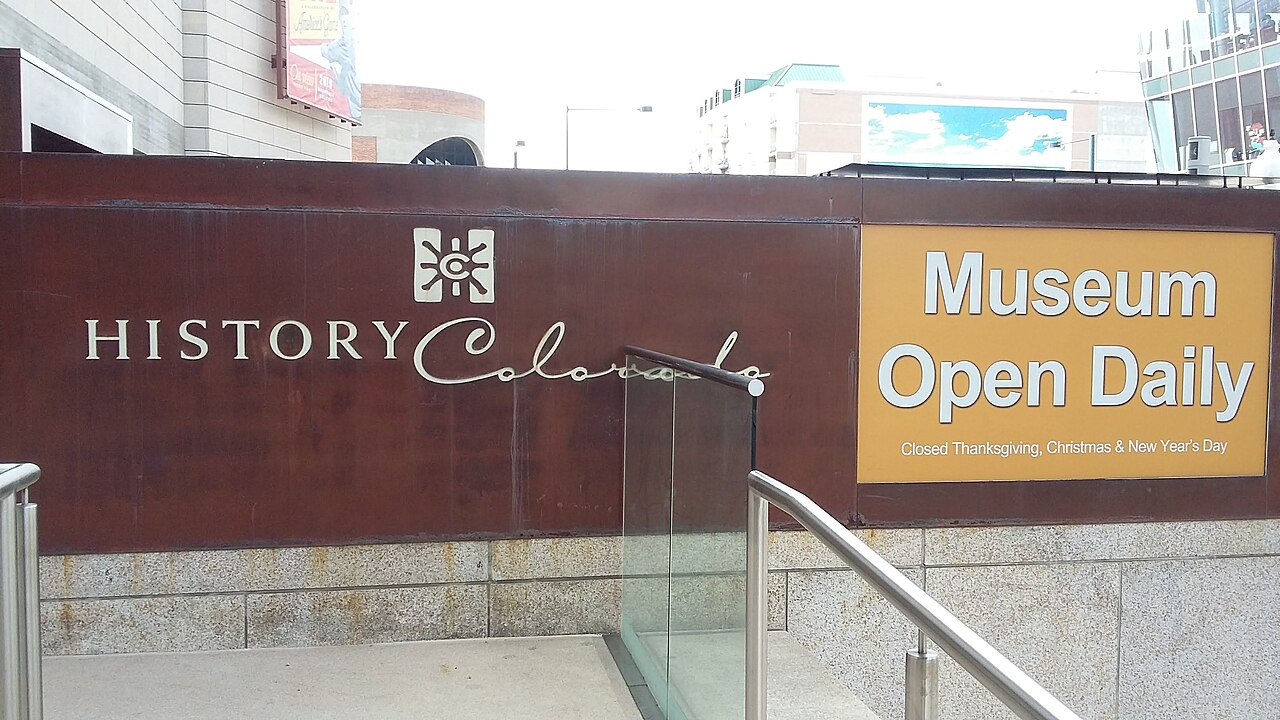
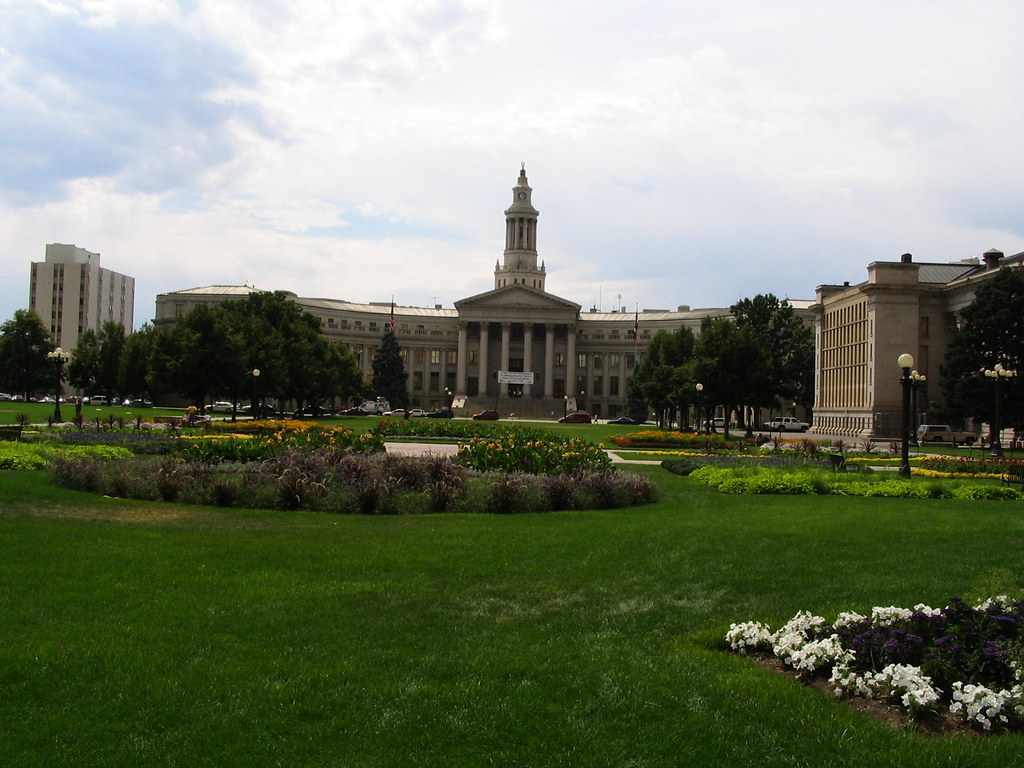
If you want the visual, the History Colorado Center downtown has a display called "Westword Movement" honoring Calhoun's five decades covering the city. And the location is perfect. The museum sits about a block from Westword's former offices, so you are basically standing in the neighborhood where the whole thing happened.
History Colorado makes a point worth sitting with. Westword did not launch in a vacuum. It was part of a 1970s wave of Denver creative ventures, alongside outfits like Su Teatro and Cleo Parker Robinson Dance, both of which also recently hit their own 50-year marks. Same era, same energy. A bunch of people deciding Denver deserved its own voice and then building it from nothing.
The awards back it up, by the way. Calhoun has been inducted into the Colorado Press Association Hall of Fame, the Association of Alternative Newsmedia Hall of Fame, and, because this is Denver and food matters, the Colorado Restaurant Association Hall of Fame. Three halls of fame. That is not an accident.
Look, I care about the buildings and the blocks and what a place used to be before it turned into what it is now. That is my whole thing. And a lot of what we actually know about Denver over the last fifty years, the scandals, the characters, the neighborhoods that came and went, ran through this one paper and this one editor.
The Rocky Mountain News gave her a year. She gave Denver forty-nine and counting, and now she is spending the runway to fifty writing it all down.
So swing by History Colorado, stand a block from where the first issue got printed, and think about that garage full of undelivered newspapers. Everybody who covers this city is, in some way, working in the space Patty Calhoun built.