Real Estate
 Revolutionizing · Modernizing · Simplifying
Revolutionizing · Modernizing · Simplifying
Revolutionizing · Modernizing · Simplifying
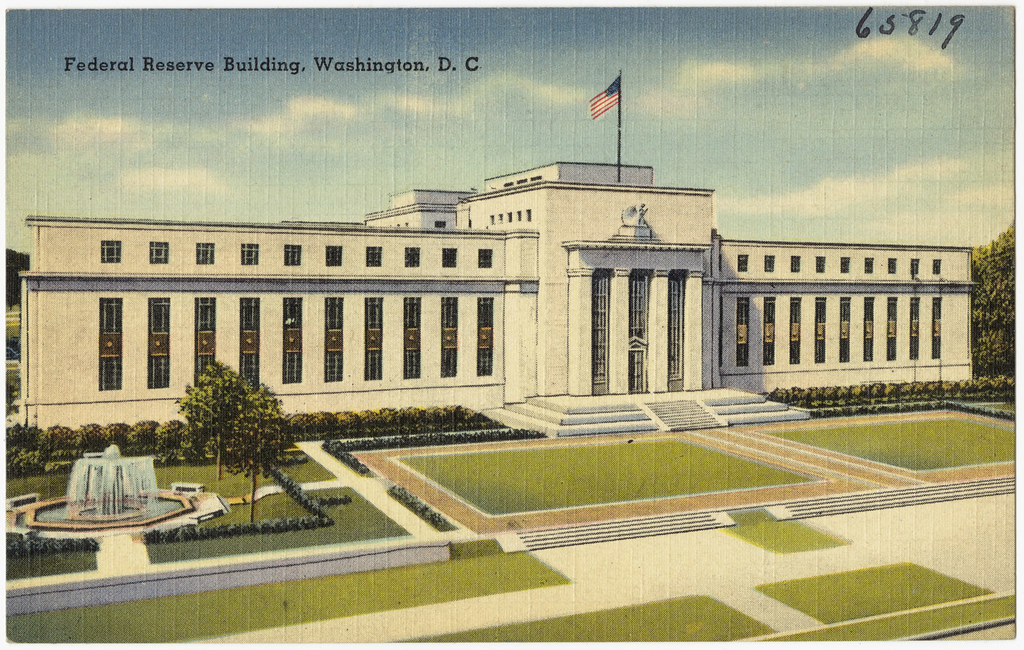
All right - here we go. For the first time in three years, the Federal Reserve didn't cut, didn't hold, and didn't hint. On Wednesday it raised the federal funds rate a quarter point, to a range of 3.75% to 4%, and new Chair Kevin Warsh made it pretty clear he doesn't think the job is done.

I'll be honest with you: the meeting itself doesn't matter a whole lot. What matters is the tone and the direction - and the direction just flipped. Since 2023 the entire conversation in real estate has been about when rates would finally come down. That question is now upside down. If you're a Coloradan who's been waiting on a cut before you buy, sell, or refinance, you need to sit with what actually changed.
Rewind three years. Money was cheap, bidding wars were everywhere, and first-time buyers hit a record high - about 41% of the market. That was demand-driven inflation: too many dollars chasing too few homes, prices surging well past the Fed's 2% comfort zone. When inflation comes from an overheated economy full of everyday spending, raising the cost of borrowing is the right lever. Honestly, they probably should have pulled it sooner.
Today is different, and that difference is the whole problem.
The inflation we have right now - running near 4% - isn't being driven by you and me. It's coming from the supply side. The conflict with Iran has put a chokehold on energy and on global shipping lanes, and when energy goes up, everything we pay for follows it: groceries, construction materials, diesel, all of it. On top of that, a huge share of today's borrowing and spending is concentrated in one place - capital pouring into artificial intelligence, funded by the wealthiest players with the biggest stock portfolios. That's where the money is going. It is not the family taking out a mortgage.
A rate hike is a demand tool. It works by making money more expensive so people borrow and spend less, which cools prices. But raising rates doesn't make a barrel of crude any cheaper, it doesn't reopen a shipping lane, and it sure doesn't stop the wealthy from pouring money into AI. So what does it actually do?
It hurts one group: the regular, everyday working person. Our mortgages, our credit cards, our personal loans - that's what gets more expensive. The people driving the inflation barely feel it. The people who didn't cause it feel all of it.
Here's what that looks like at the kitchen table. Back in 2021, a $400,000 home with a small down payment ran around
Look at who got priced out, and it's first-time buyers. They've fallen from that 41% record down to roughly 21% - cut about in half in just a few years. A lot of those buyers got in with little or no money down, some on temporary buydowns or adjustable rates, right before the market softened.
That's where the silent problem is: short sales are creeping back. We've done at least a dozen in the last twelve months, and the loss-mitigation departments at the banks say they're swamped - short sales are taking forever just because there are so many of them. Denver values are already off 10 to 15%, and a further slide toward 20 to 30% isn't some wild, unrealistic scenario given where the Fed is pointed. It doesn't take much: in 2008, only about 7% of mortgage-backed securities coming apart was enough to bring the whole thing down. There is more equity in the market than there was then - but "more equity" is cold comfort to the household whose buydown just reset and whose home is now worth less than they paid.

I wasn't alive in the '80s, but the parallels are getting hard to ignore. We went from an unpopular progressive president to a celebrity Republican. There was conflict with Iran that sent energy prices surging. There was tension with the Soviets, not unlike Russia and Ukraine today. And there was a Fed chair - Paul Volcker - who met inflation with an aggressive schedule of hikes that ran rates all the way toward 20%.
Are we headed for 18% mortgages? No. Asset prices are already so high that an 18% rate would mean nobody buys anything, period. But every honest case study of the Volcker Fed treats it as the example of what not to do - it didn't stimulate the economy, it strangled it. And that's exactly what worries me here. This may not be a sudden, 2008-style crash. It may be slower and more grinding: a stretch of elevated rates and limited growth that lasts years, not months.
Mortgage rates don't move one-for-one with the Fed - home loans track longer-term forces like the 10-year Treasury and the mortgage-bond market more than the overnight rate the Fed sets. But direction matters, and the direction just changed from "eventually down" to "possibly up." If your plan quietly depended on a refinance in six months, stress-test it against a rate that doesn't fall.
Denver is especially exposed. Our market was already soft, and higher borrowing costs thin the pool of buyers who can qualify, one pre-approval at a time. For buyers who can handle today's payment, that means real negotiating leverage. For sellers, it means honest pricing and sharp presentation aren't optional anymore - a home priced to last year's optimism sits, and a sitting home in a rising-rate market tends to sell for less later, not more.
I'll say what I said on today's show: the thing this decision does not reward is paralysis. There will be opportunities in this and there will be hardships, and the people who come through a cycle like this in good shape are almost never the ones who tried to time the Fed. They're the ones who ran the real numbers on the home in front of them, at today's rate, and made a decision they could live with either way.
If you're navigating any of this in Colorado - buying, selling, or just trying to figure out whether you're going to be okay - we would genuinely love to help you think it through, even if it's only as a sounding board. We've seen a lot of these situations up close.
I broke the whole thing down on this week's Radically Colorado, including why the 2020s are starting to look a lot like the 1980s. Watch it here: https://www.youtube.com/watch?v=S-D9Q8qHdlM
This article is commentary and opinion for informational purposes only. It is not financial, legal, or investment advice.