 Revolutionizing · Modernizing · Simplifying
1,465 homes. That is the whole year. All of 2025, across Douglas County, a county that spent the last two decades throwing up rooftops faster than almost anywhere in Colorado.
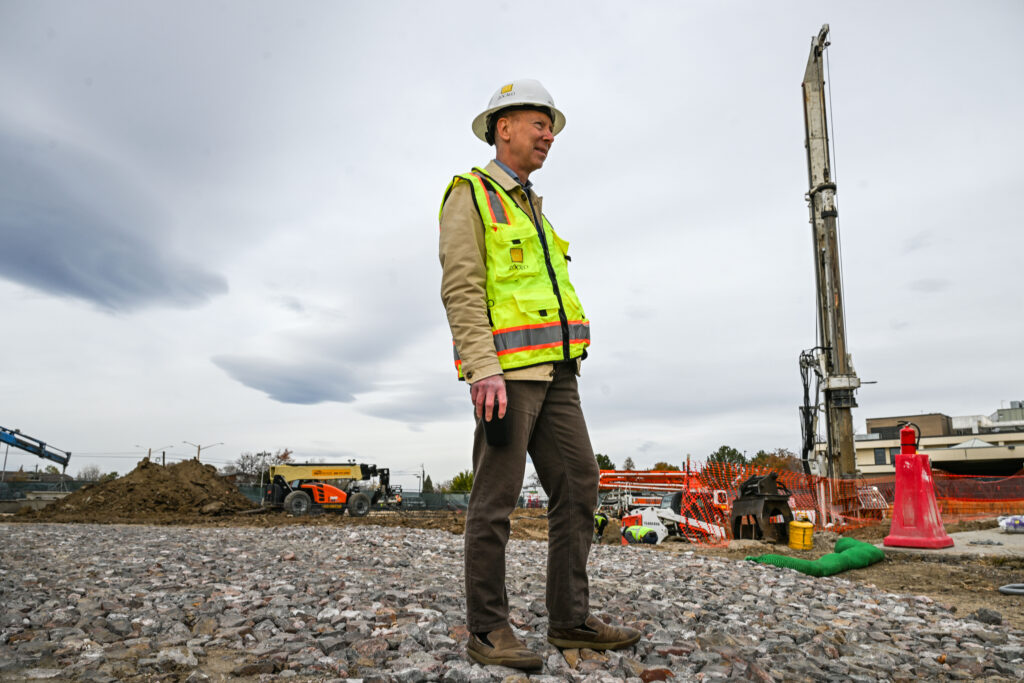
That is the fewest new single-family permits since 2011, and it is 44% below where things sat in 2019. A Nov. 10, 2026 release from 1 Percent Lists Mile High laid it out, and honestly the number stopped me cold. Castle Rock, Highlands Ranch, Parker, Lone Tree. That corridor has been a construction machine for years. Now the machine is idling.
And it is not just Douglas County. Across the seven core metro-Denver counties, single-family permits in 2025 came in at the lowest level since 2013. Meanwhile the rest of the country kept building. Nationwide permits ran 6% above 2019 levels, per Census Bureau data cited in that same release. So this is a Denver-metro story, not a national one. We pulled back harder than almost everybody.
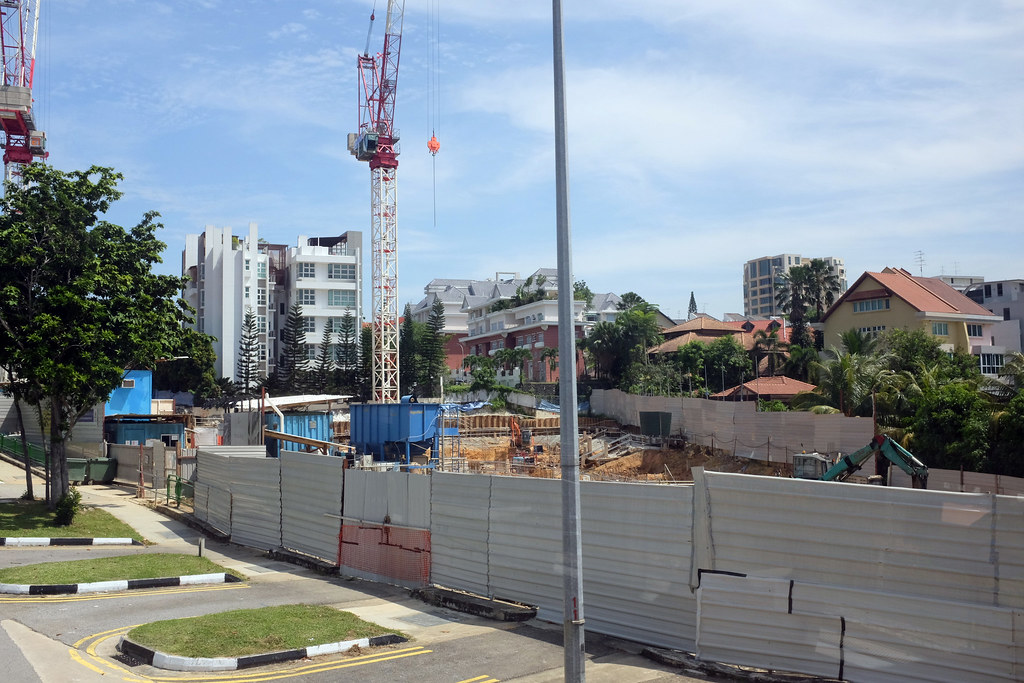
Look at Denver County by itself and the drop is brutal. The city authorized roughly 10,000 new private housing units in 2021. Then 8,296 in 2022. Then just 3,994 in 2024. That is a collapse, not a dip.
A September 2026 analysis from one national real estate platform found Denver-metro permitting running 28.0% below its 2016-2020 pre-pandemic trend line. Year over year permits ticked up a hair, 2.4%, but that is noise against a trend that fell off a cliff. Nationally residential permits sat a record 19.4% below the pre-pandemic trend, and detached single-family completions dropped for a third straight year to about 817,000 in 2025.
City planners here are not being shy about why. Elevated construction costs. High interest rates. Declining rents. When the math stops working, builders stop building. Simple as that.
Things got so soft on the multi-unit side that in March 2026 Denver advanced a code change to give developers a 36-month extension to pull their permits. The goal was to keep roughly 22,600 planned residential units from just expiring on the books because nobody was ready to break ground. Think about that for a second. The city had to buy developers extra time so the pipeline would not evaporate.
So if you are shopping right now, you already know this fall feels like your market. And it kind of is.
From July to September 2026, an average of 31.5% of active Denver-metro listings had a price reduction. That is the highest share among the 50 largest metros in the country, versus 20.4% nationally. In Douglas County specifically it was 32.6%. Active listings there jumped 29% while pending sales fell about 38%, per a national listing site. Metro-wide, pending sales dropped roughly 45% over that same window.
Translation. Sellers are cutting. Inventory is up. Buyers are slow. That is leverage, and you should use it.
But here is the thing people miss when they only look at this fall.
The softness you are seeing in the resale market is happening at the exact moment the future supply is drying up. Fewer permits in 2025 means fewer finished homes in 2027 and 2028. You cannot flip that switch overnight. A home permitted today does not show up as something you can walk through for a year or more. So the pullback builders made this year is a floor that slides under prices a couple years out, even while today's buyers get their price cuts.
The rental side is already telling this story. On Nov. 11, 2026, Avanti Residential closed on the 88-unit Park Cheesman Apartments at 1177 Race Street for $31.0 million. That is about $352,273 a door. Their VP Jason Wine said it straight, that "new construction has pulled back sharply while renter demand stays strong." When sophisticated buyers are paying up for existing apartments, they are betting that nothing new is coming to compete. That is the whole thesis in one deal.
And for-sale condos might be the worst of it. The Home Builders Association of Metro Denver has been pounding the table that the region faces a severe shortage of for-sale housing, condos especially, because construction-defect litigation makes them "nearly impossible" to build. That is the entry-level product. The first-time buyer product. The thing young families and downsizers actually need. And it is the thing the market structurally refuses to produce.
So the ladder loses a rung at the bottom while the pipeline thins at the top.
If you do buy in 2026, mark your calendar. Colorado's next statewide property-tax reappraisal hits in 2027. Homes bought in 2026 get reset to current market value. Notices go out by May 1, 2027, and the protest deadline is June 8, 2027. Do not sleep on that protest window. Hayley and I have watched plenty of folks eat a tax bill they could have fought.
So that is the setup. Buyers have the leverage this fall. Nobody is building the stuff you would want to buy in two years. Price cuts are real right now, and the thin pipeline is the floor underneath them. Read both at once, and you are reading this market correctly.