 Revolutionizing · Modernizing · Simplifying
Revolutionizing · Modernizing · Simplifying
Revolutionizing · Modernizing · Simplifying
Picture this. You are three days from closing on a condo. Movers booked, boxes packed, Hayley already arguing with me about which couch goes where. Then the lender calls and says the loan is dead. Not because of your credit. Not because of your down payment. Because of the building's insurance policy, a document you never signed and probably never read.

That is happening right now in Denver, and most buyers do not see it coming.
Fannie Mae issued Lender Letter LL-2026-03, lined up with Freddie Mac and the FHFA, and it rewrote the rules on condo projects and master insurance. Some pieces kicked in back in March 2026. But the ones that bite buyers landed this summer. The per-unit deductible and individual-policy rules apply to applications dated on or after July 1, 2026. And the Limited Review process, the quick lane that let a lot of condo deals sail through, got retired for applications on or after August 3, 2026.
Here is the part people miss. When Limited Review died, the fast lane died with it. Lenders now run a full deep-dive on nearly every established project. Years of financials. Maintenance records. Board minutes. They want to see how the HOA has been run, and they want the reserve fund sitting at 15% of the annual budget, up from the old floor. The 50% investor-concentration cap got tossed in March, so that part loosened up. Everything else got tighter.
Effective July 1, the master policy's per-unit deductible is capped at $50,000. That replaced the old 5%-of-coverage limit. Fannie also stopped requiring an inflation-guard endorsement. Sounds clean on paper.
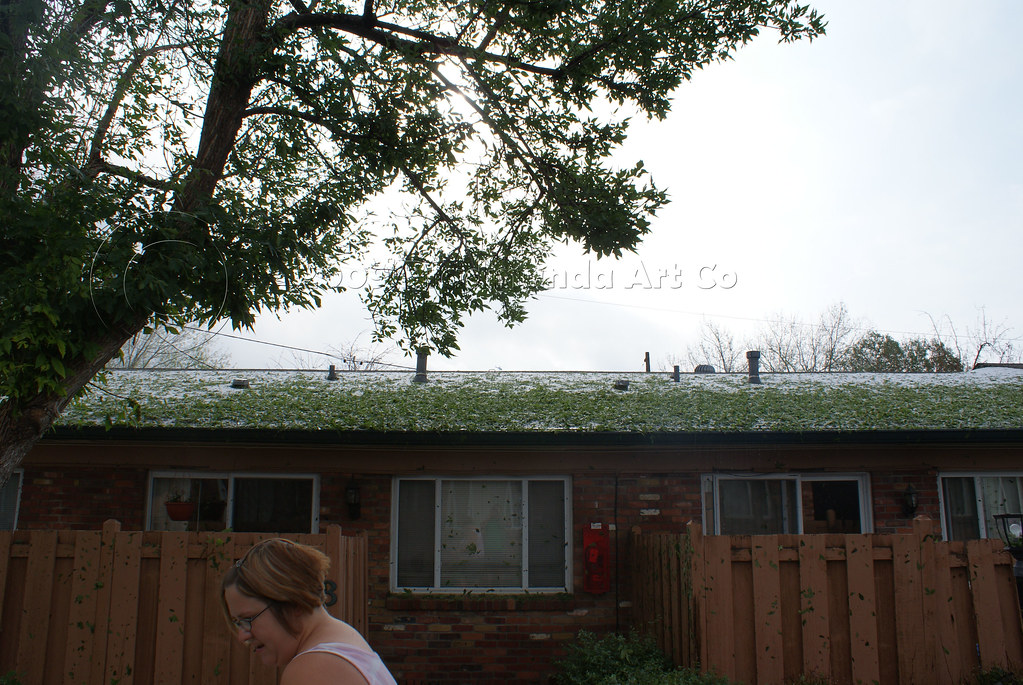
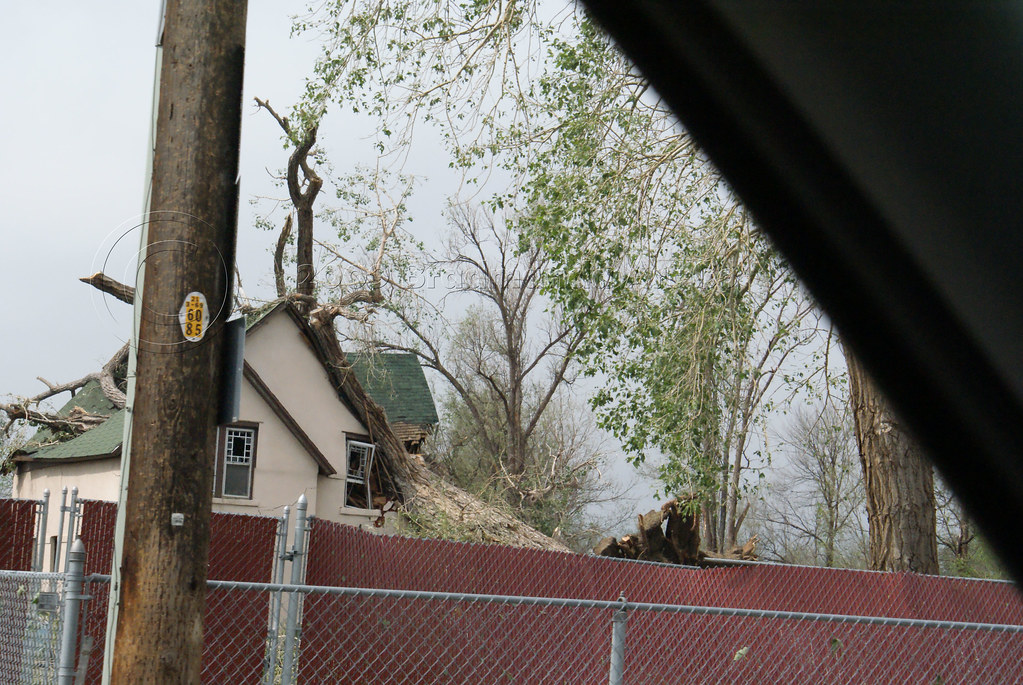
Now drop that into Colorado, where the sky throws baseballs at us every June. Master-policy premiums for Denver multi-family buildings jumped 20% to 40% year over year in 2026, according to reporting from a national listing site News. When premiums spike like that, HOAs raise deductibles to keep the policy affordable. And here is the trap. The moment a master policy's deductible pushes past 5% of the building's insured value, those units go non-warrantable under Fannie and Freddie guidelines. Roughly 90% of loans get sold to those agencies after closing. So non-warrantable is not a technicality. It is a dead conventional loan.
To close now, conventional lenders want you carrying an individual HO-6 policy that covers at least the master policy's per-unit deductible, and covers the same perils. Wind. Hail. Water. That last part is where it falls apart, because most standard HO-6 policies are not automatically written to include all of that.
And a standard HO-6 typically includes only
This is not hypothetical in Colorado. Hailstorms here have triggered special assessments of $5,000 to $30,000 per unit when an HOA's reserves came up short of the master-policy deductible. So the roof gets shredded, the master policy has a monster deductible, reserves cannot cover it, and the bill lands on every owner. If you did not buy the coverage, you eat it out of pocket.
Here is the good news, and honestly it is the whole reason to read the fine print. Insurance folks recommend bumping your HO-6 loss-assessment coverage to at least
Say it with me. Ask your agent for the master policy declarations page before you write the offer. Get the per-unit deductible in writing. Then make sure your HO-6 covers it, same perils and all. That one phone call is the difference between closing and crying in a U-Haul.
You can see the stress in the numbers. In August 2026, Denver-area attached homes, meaning condos and townhomes, sat a median of 45 days on the market. Detached homes moved in 24. Attached prices fell 4.87% year over year while detached barely budged. DMAR's August data put the metro attached median close price at $370,000 against $649,500 for single-family detached.
Some of that is the rate environment. But a big chunk is this exact insurance mess. Rising master premiums drive up HOA fees, higher HOA fees strain what a buyer can qualify for, and now the deep-dive review can flag a building weeks into a deal. Buyers feel that friction, so condos sit.
There is one bright spot, and it matters if you are shopping small buildings. Condo projects with 2 to 10 units now have a path to skip the full project-review process under both Fannie and Freddie, effective immediately. So the little brownstone conversion in Baker or a fourplex in Sloan's Lake may be an easier close than the 200-unit tower downtown.
Look, condos are still the entry point into Denver for a lot of people, and I am not telling you to run from them. I am telling you the paperwork is the deal now. Know the deductible. Fix the HO-6. Do it before you fall in love with the place, not three days before closing.