 Revolutionizing · Modernizing · Simplifying
Revolutionizing · Modernizing · Simplifying
Revolutionizing · Modernizing · Simplifying
Picture the people who decide what your Colorado house is officially worth. The certified appraisers. The ones whose number can make or break your refinance, your sale, your loan. This September a bunch of them are sitting in a room in Breckenridge learning how to prompt ChatGPT.
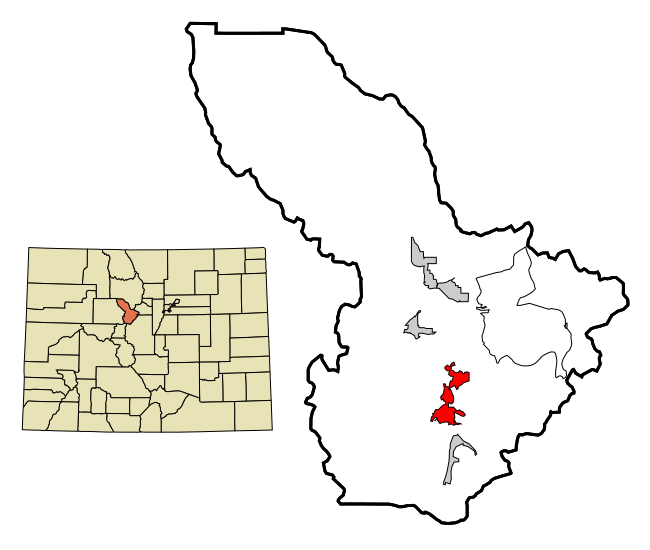
That is not a hypothetical. The Appraisal Institute Colorado Chapter is holding its 2026 Fall Summit from noon Friday, Sept. 18 through 4 p.m. Saturday, Sept. 19. And tucked inside is a four-hour, Colorado-approved continuing-education course with a very 2026 title: "Artificial Intelligence for Appraisers: Advanced Applications."
The first two hours are the part that matters to you. Appraisers get walked through choosing and configuring what the course calls "frontier platforms (ChatGPT, Claude, Gemini)." Not for fun. For actual work. Drafting market-area summaries. Screening comparables. Summarizing documents. The stuff that goes into the report a lender reads before they hand someone a mortgage on the house next to yours.
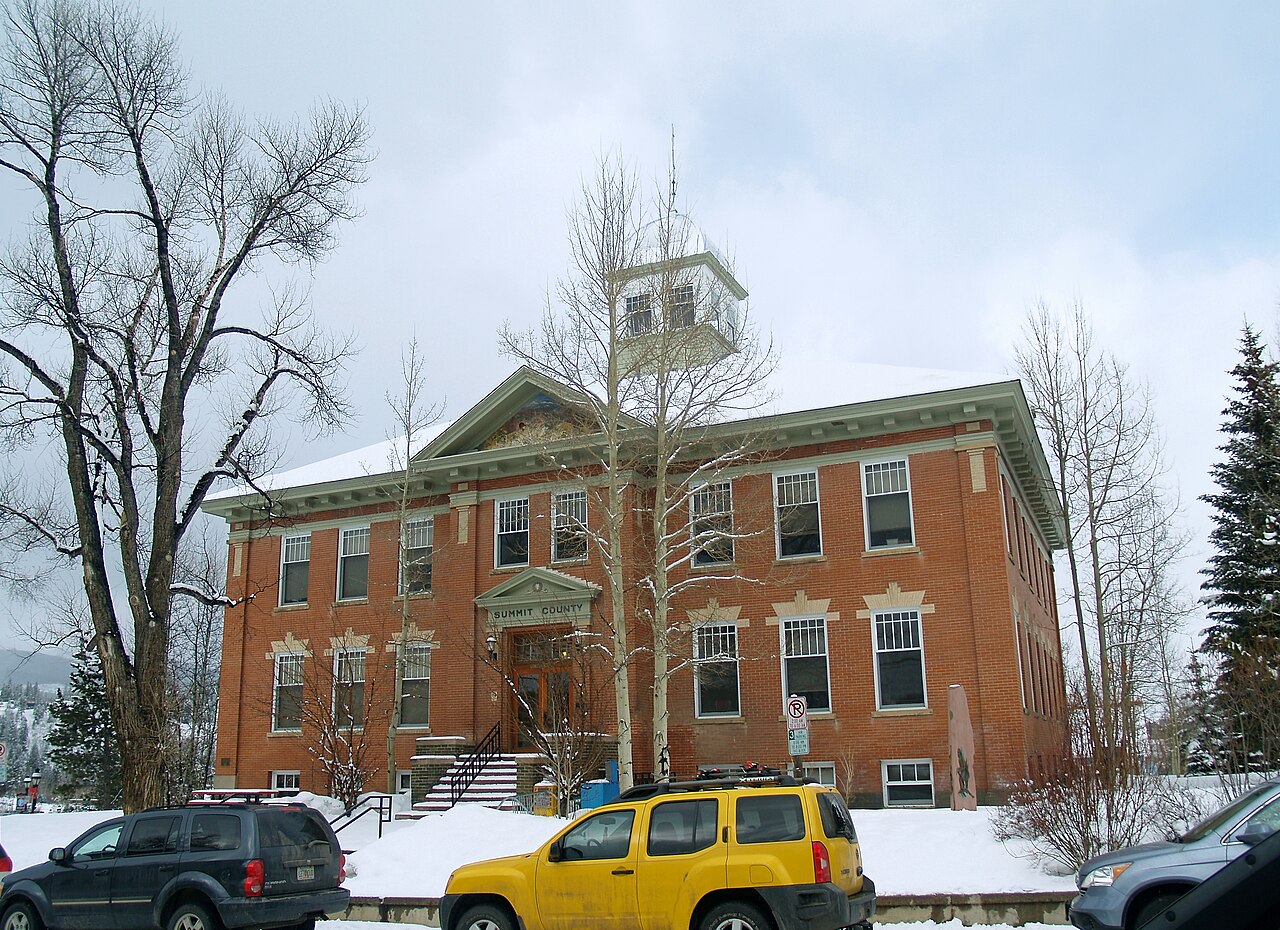
Here is the thing. Most people do not realize how much of a home valuation is narrative. It is not just a spreadsheet. Somebody writes paragraphs about the neighborhood, the condition, the comps. And that writing is exactly what these tools are fast at.
So the profession is doing something smart. They are not pretending it away. They are fencing it in before it gets loose.
The course requires appraisers to redact Personally Identifiable Information before anything touches an AI tool. It tells them to treat every AI-generated paragraph as a draft, not gospel, and to review it for neutral, non-discriminatory language. The Institute says it flat out: these tools "can generate plausible text that is incorrect, incomplete, or biased." There is a whole dedicated Fair Housing and bias segment. That is not decoration. That is the guardrail.
And it is landing right as Colorado law catches up. SB 205, the Colorado AI Act, is on the books with a compliance deadline of June 30, 2026. It specifically covers AI used in property valuation and tenant screening under a Fair Housing plus state bias framework. So an appraiser using ChatGPT to describe your block is now doing it inside a legal box that did not exist a couple years ago.

Why the urgency? Because consumers already beat the appraisers to the punch. People are typing "what is my home worth" into general AI tools every single day.
Broker Ryan Serhant went on CNBC and said ChatGPT nearly blew up a $50 million deal for him. It told the seller the place was worth more and told the buyer they were overpaying. Same tool, two people, and it torched the middle where the deal lives.
That is the risk in a sentence. These tools sound confident whether they are right or wrong.
Now, they are not useless. Independent testing cited in 2026 found ChatGPT and Claude land within 5 to 15 percent of a professional appraisal roughly 80 to 90 percent of the time. Which sounds great until you remember that on a million-dollar mountain home, 15 percent is
This is the part people miss, and it is very Colorado.
Automated valuation models, the AVMs, need comparable sales to work. When there are fewer than five to ten comparable sales within a reasonable radius in the last six to twelve months, accuracy craters. Now think about where the summit is being held. Breckenridge. Think about a custom log home on ten acres up a canyon, or a one-of-a-kind build with no twin for miles. There are no clean comps. The machine is guessing.
Then there is the renovation problem. AVMs lean on public-records data that can lag years behind reality. You dump $80,000 into a kitchen and bath, and the model may not see a dime of it until renovated homes nearby actually close and hit the record. So your beautiful new house reads to the algorithm like your old one.
To be fair, the good firms know this. HouseCanary, a national residential-valuation company with an office right here in Boulder, reports a 3 percent median absolute error rate for its AVM, measured against closed arm's-length sales across 115 million properties. And they say they test for both accuracy and racial bias. That is the serious end of this. Not a chatbot in a browser tab.
Bottom line for anyone buying, selling or refinancing on the Front Range: lenders are not going to approve a purchase mortgage on an automated number alone. They treat the AVM as one input, sitting next to a certified appraiser's opinion. That human is not going anywhere. They are just getting new tools, and Colorado is training them to use those tools carefully.
For a quick gut check on your own place, the AI tools are fine as a starting point. Symbio Homes, the founder-led brokerage over in Golden serving Denver and the Front Range, runs an AI home search and a free, no-obligation home valuation you can use today. Use it the way the appraisers are being taught to. As a draft. Not the final word.
Because the final word still belongs to a person. For now.