Events & Culture
 Revolutionizing · Modernizing · Simplifying
Revolutionizing · Modernizing · Simplifying
Revolutionizing · Modernizing · Simplifying
Four in the morning. Waterton Canyon, just southwest of Denver. Sunday, August 2.
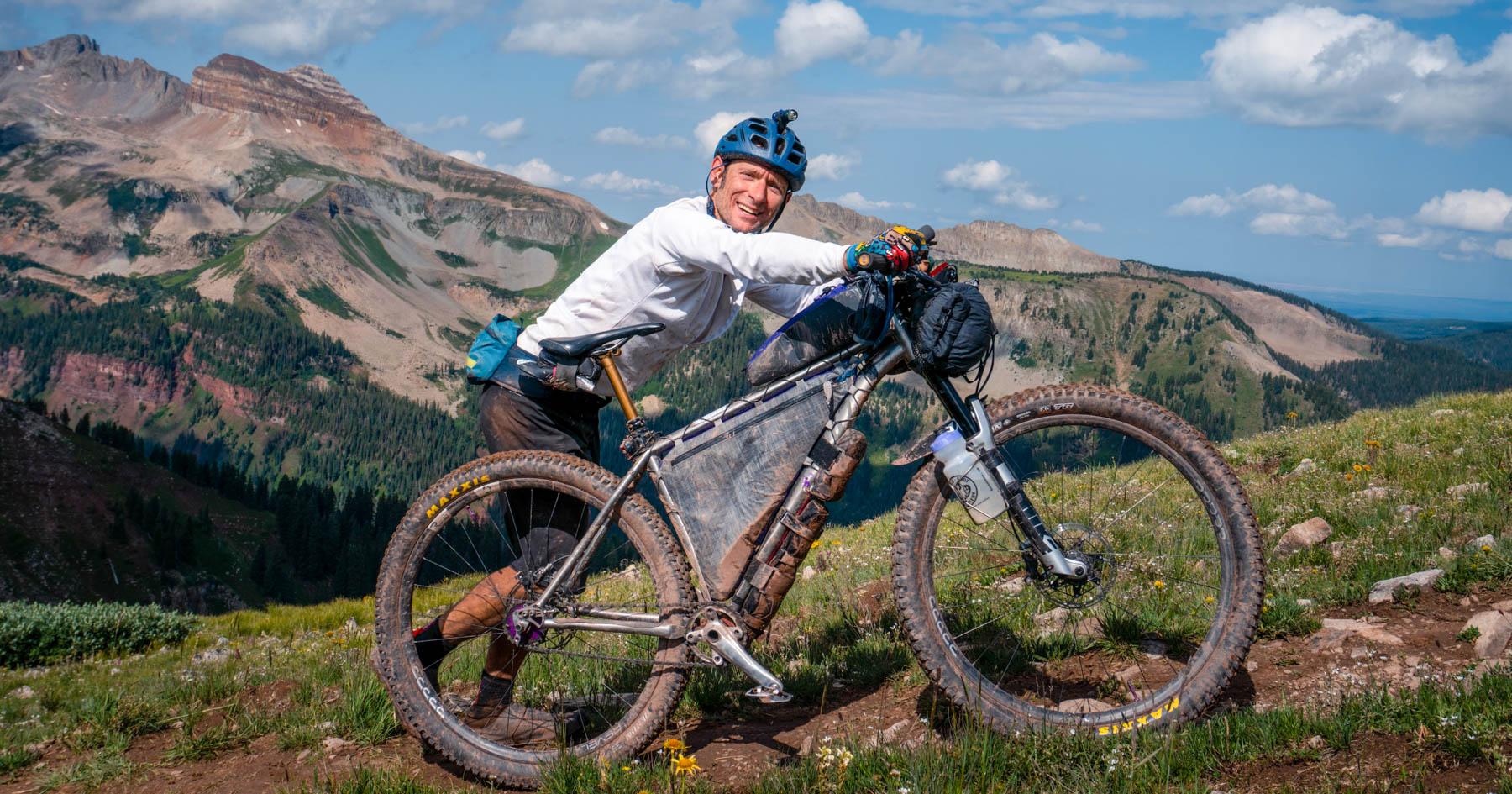
While the rest of the Front Range was still asleep, nearly 70 people clipped in and rolled out into the dark to start what is honestly one of the hardest things you can do on a bicycle in this country. This is the Colorado Trail Race, the 19th annual running of it, and the leaders are grinding into Durango as I write this.
So here is the thing about the CTR. It is not a race with aid stations and support cars and a guy handing you a banana at mile 40. It is self-supported. You carry what you need. You fix your own bike. You figure out your own food and water and sleep, or lack of it. Nobody is coming to save you up there, and that is kind of the whole point.
The route runs about 528 miles. That is 850 kilometers if you think in metric, which most of these riders do because a lot of them come from the endurance world. And it is not 528 miles of smooth pavement or even nice dirt road. More than 300 miles of it is singletrack. Technical, rocky, exposed mountain singletrack.
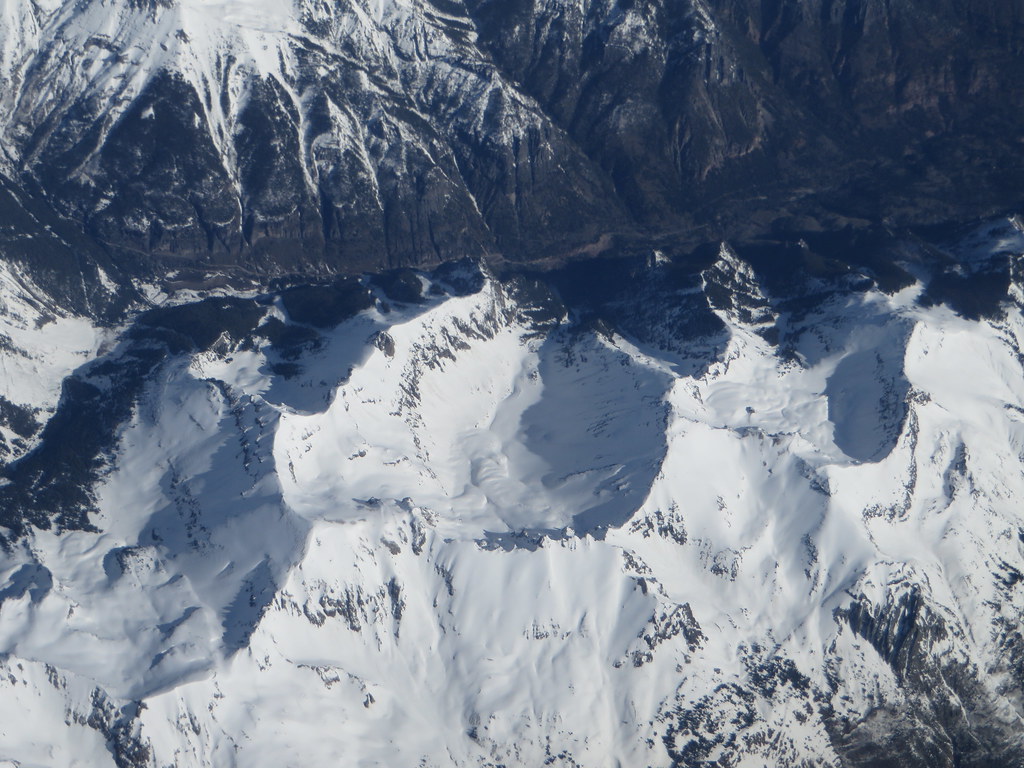
The course repeatedly climbs above 10,000 feet. The highest passages push above 13,000. Let that sink in for a second. These riders are pedaling loaded bikes over terrain where a lot of people would get winded just walking. And here is the part people miss. Long stretches of this route are not rideable at all. You get off the bike and you push it. You carry it. You hike-a-bike over rock and scree with a fully loaded rig on your shoulder, at altitude, for hours.
The weather up there does whatever it wants. Riders describe high passes where a bluebird morning turns into hail and wind and cold in the span of an afternoon. One way people put it is that summer up on the Colorado Trail can feel like several seasons compressed into a single day. That is not poetry. That is a real thing you plan around, because getting caught above treeline in the wrong storm is dangerous.
The first Grand Depart was back in 2007, and the race has run every single year since except 2020, when COVID shut it down like it shut down everything else.
Now here is a detail I love. Until 2012, the race always started in Denver and finished in Durango. Same direction every year. But starting in 2013, the organizers began alternating the direction each year. Even years go one way, odd years go the reverse. So 2026, being an even year, starts here in Denver at Waterton Canyon and heads southwest across the state toward Durango. Next year it flips.
Why does that matter? Because the trail rides completely differently depending on which way you point yourself. Different climbs become descents. Different passes hit you when you are fresh versus when you are five days deep and wrecked. Same 528 miles, totally different race.
And the CTR is not some local one-off. It is one of three events that make up what the bikepacking world calls the Triple Crown, right alongside the Tour Divide and the Arizona Trail 800 Race. So the people who show up here are chasing something. This is a benchmark.
One name worth watching is Nicolette Jones out of Aspen. She is back again, and her story is the kind of thing that tells you what this trail means to people. Before she ever raced the Colorado Trail, she had already bike-toured it, hiked it, and even nordic skied it. She knew this ground in three different seasons and three different ways before she ever pinned on a number. Then in 2024 she raced it, and it was her very first bikepacking race. Not exactly easing into the sport.
That is the CTR crowd. These are not weekend warriors who wandered in. These are people who have lived in these mountains long enough to want to suffer on them on purpose.
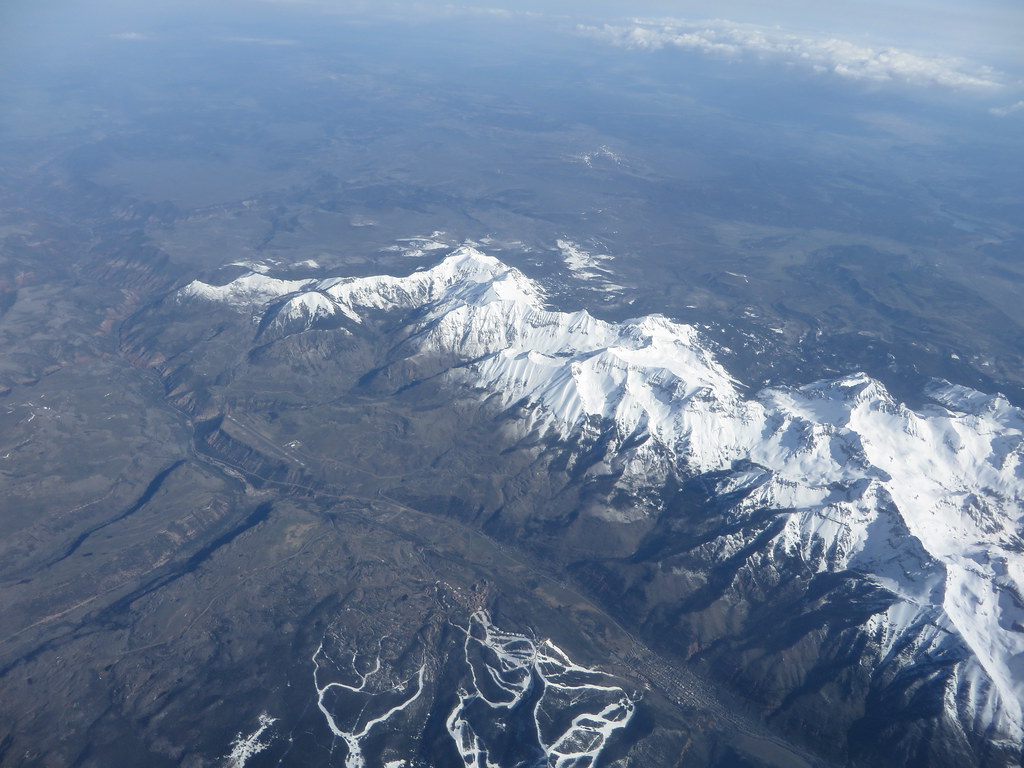
Most people driving I-70 to the mountains this week have no idea any of this is happening. Somewhere out there in the San Juans, right now, real people are alone above 12,000 feet, cold, exhausted, pushing a bike up a pass, chasing a finish line in Durango that is still hundreds of miles from where they started outside Denver.
You can actually follow the leaders as they come in this week. The whole thing gets tracked by dot, little GPS pings moving across the state, and dot-watching these races is genuinely addictive (which is dangerous for me, because I lose whole evenings to it and Hayley has opinions about that).
So if you want a real Colorado story that is happening as you read this, not one from a hundred years ago, this is it. Nearly 70 riders. 528 miles. 13,000-foot passes. Denver to Durango, the hard way. Buckle up and watch them finish.