 Revolutionizing · Modernizing · Simplifying
Moose almost never end up in zoos. That is the thing most people do not realize. You can walk through just about any big-city zoo in America and you will see tigers, gorillas, giraffes, the whole roster. You will not see a moose. They are notoriously tough to keep, and that is exactly why Cheyenne Mountain Zoo in Colorado Springs just did something rare.
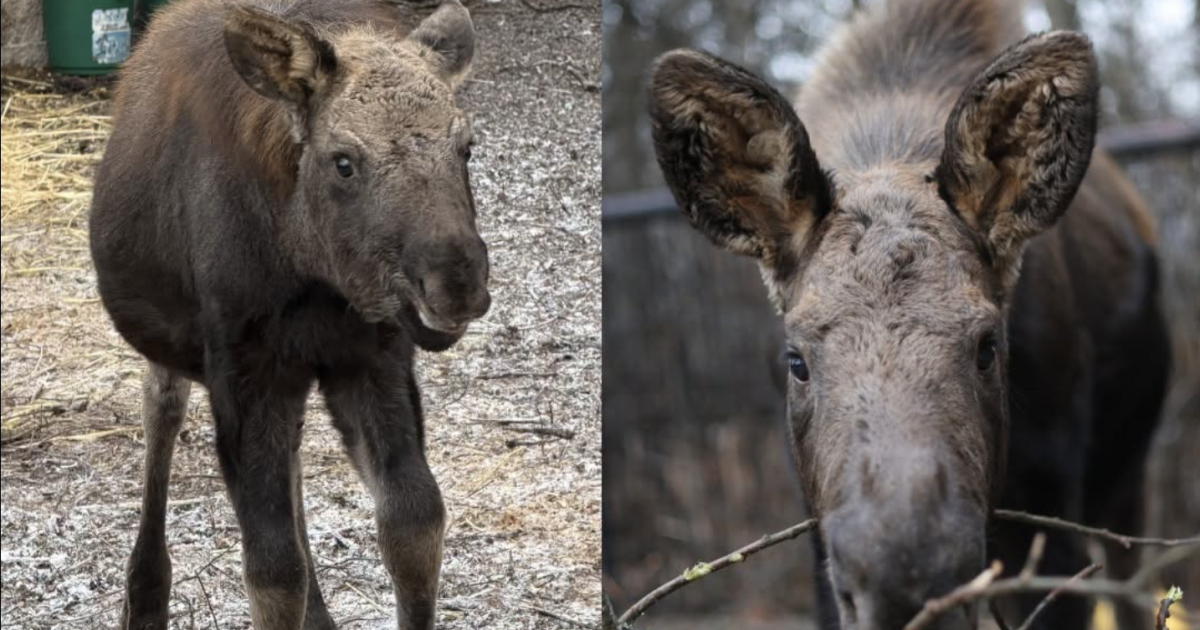
On November 10, 2026, the zoo announced it is taking in two rescued moose calves from Alaska. One male, one female. Both about seven months old. And if everything goes to plan, they should be visible to guests by the weekend of November 14 and 15.
So if you have a free Saturday, this is worth your attention.
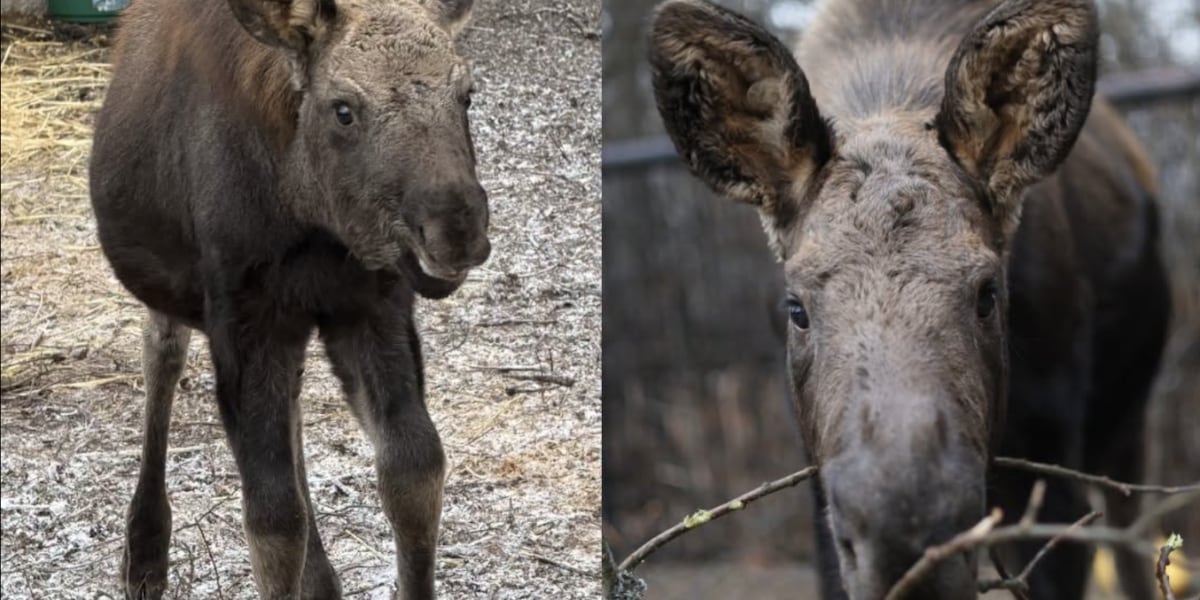
Both calves come out of a hard start. The female lost her mother to either a vehicle collision or a human-wildlife conflict, the kind of thing that happens constantly around Anchorage. Wildlife authorities pulled her out, and she needed around-the-clock care for weeks afterward. She was almost certainly only days or weeks old when that happened.
The male has a similar story. He got separated from his mother and his twin, and the reunion never took. So he got rescued too, roughly the same age.
Here is the part that matters. Neither of these calves could survive in the wild. That is where The Alaska Zoo in Anchorage comes in. They run a rescue program built specifically for animals that have no shot on their own, and moose-human conflicts around Anchorage are so common that calf rescues are basically a standard summer job up there. The Alaska Zoo cared for both of these two until they were stable enough to travel.
And travel they did. We are talking a roughly 17-hour journey from Anchorage down to Colorado Springs, mostly by flight, with an experienced Alaska Zoo moose keeper riding along the whole way doing care checks, handing out snacks, keeping water in front of them. I mean, picture that. Seventeen hours babysitting two moose calves at 30,000 feet.
CMZoo did not just wait by the gate. Communications Manager Heidi Lopez and Communications and Marketing Director Rachel Wright both flew up to Anchorage to meet the care team and document the trip from the Alaska end.
And Rachel Wright did not hold back on how it went. She said the female "is very confident and outgoing," and that staff fell in love with the calves immediately. Which, honestly, fair. Have you seen a baby moose.
The two have not been named yet, at least not as of the announcement. So that is still an open chapter.
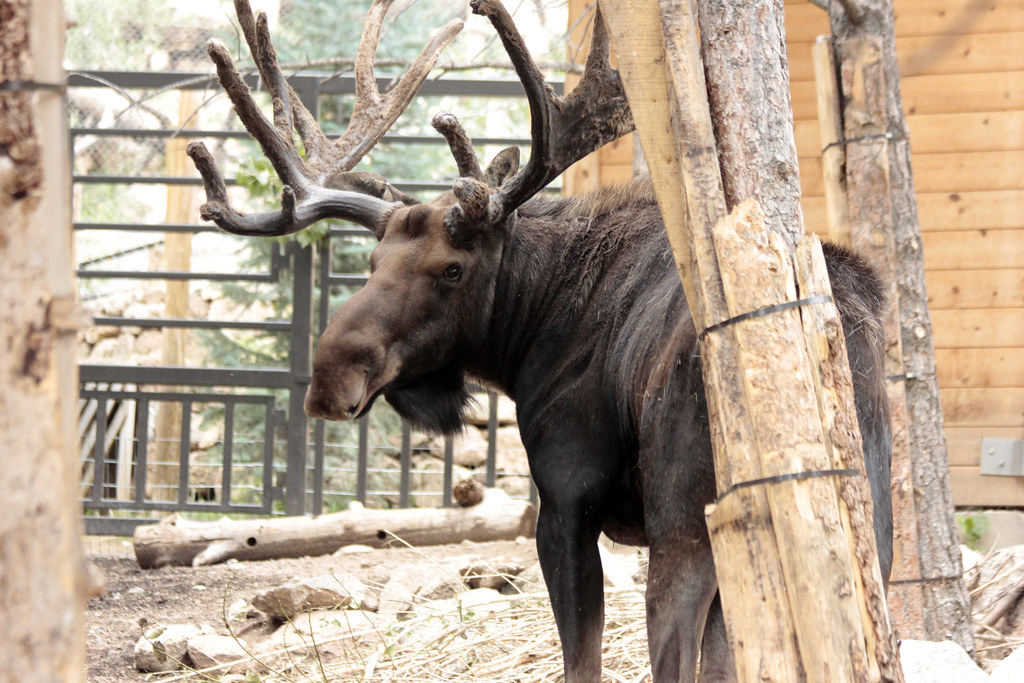
Back home, the crew has been getting the moose yard ready in the Rocky Mountain Wild area. They have literally been babyproofing it. Same idea as any new parent, just scaled up for animals that are going to turn into 1,000-pound adults. Staff already said they will keep adjusting the space as the two grow up, which tells you this is a long-term commitment, not a short visit.
If the name Rocky Mountain Wild sounds familiar, that is the mountainside section of the zoo built around Colorado and Rocky Mountain species. It is a fitting home.
Here is the emotional layer on this. These two are filling a spot that opened up because of a loss.
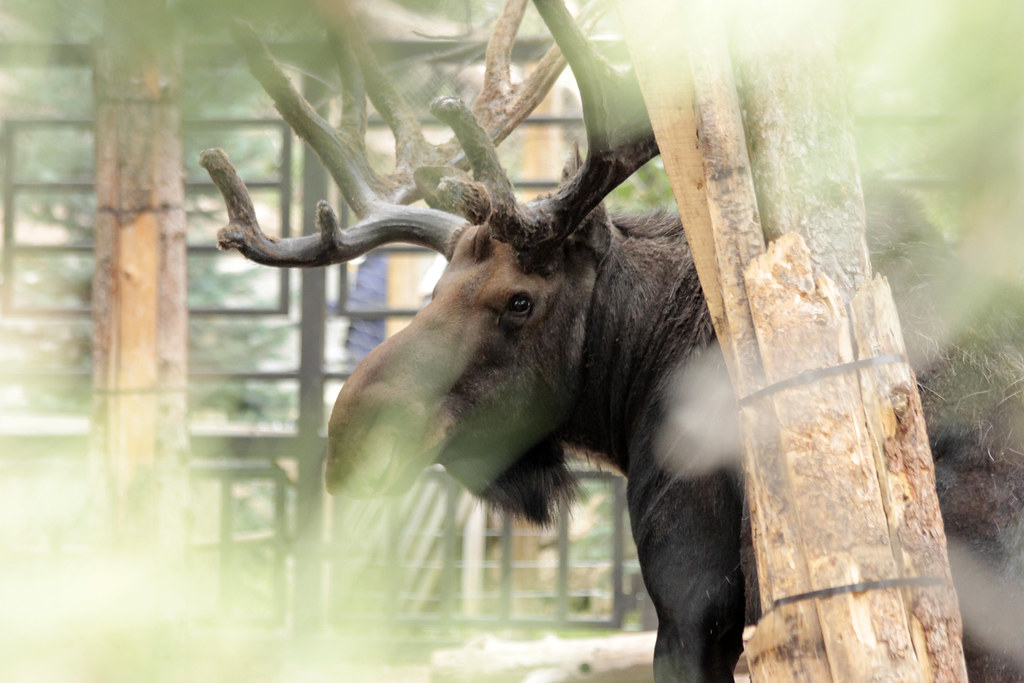
CMZoo's former moose, Atka, died in September 2026. And Atka also came from The Alaska Zoo's rescue program, so there is a real through-line here between the Springs and Anchorage. The relationship is not new. The zoo lost a beloved animal, and rather than close the chapter on moose entirely, they went back to the same rescue pipeline that gave them Atka in the first place.
That says something about why they do this at all.
The whole point of these two is bigger than cute photos, although there will be plenty of those. Moose are extremely rare in zoos, and CMZoo is positioning this pair as ambassadors for wild moose. In plain terms, most people will never get this close to a moose in a safe setting. You see one in the wild and the correct move is to leave, fast. Up on Cheyenne Mountain, families get a real look, and the zoo gets to tell the story of why moose and people keep colliding up north.
That is the educational hook. For a lot of Front Range families, this is the rare chance to actually understand an animal they have only ever seen as a distant shape off a mountain road.
Officials said the calves should be out and visible to guests by that November 14 and 15 weekend, so plan accordingly. Cheyenne Mountain Zoo sits up the mountainside in Colorado Springs, which makes it an easy day trip from Denver and the rest of the Front Range if you want to make a morning of it.
And if you cannot get down there right away, the zoo is documenting all of it. You can follow the calves on CMZoo's YouTube, TikTok, Instagram and Facebook. They will have names soon enough, and I would bet the naming becomes its own whole thing.
Two orphans from Alaska, a 17-hour flight, and a fresh start on a Colorado mountainside. Not a bad weekend plan.