 Revolutionizing · Modernizing · Simplifying
A computer looked at your house, decided what it was worth, and wrote you a check. No appraiser walked the rooms. No human stood in your kitchen running numbers. Just a camera, a model trained on millions of photos, and an offer in your inbox.

That is a national listing site in Colorado right now. And here is the part people miss. The machine making those offers is bleeding cash.

If you own a home in Denver or Colorado Springs, you have probably seen the pitch. a national listing site Technologies (that is Nasdaq ticker OPEN) makes you an instant cash offer, no showings, no staging, no strangers tromping through on a Sunday. Sounds great when you are tired.
But look at the math. Those instant offers historically run about 70% to 80% of fair market value, and the company used to charge a 5% service fee on top. So you are trading real money for speed. That is the deal. Always has been.
One more thing worth knowing. a national listing site is picky. It mostly buys owner-occupied homes built after 1930, on lots under about 1.5 to 2 acres. Tenant-occupied places and most prefab homes get a pass. So if you are sitting on a 1920s bungalow or a mobile home, the algorithm is not calling you.
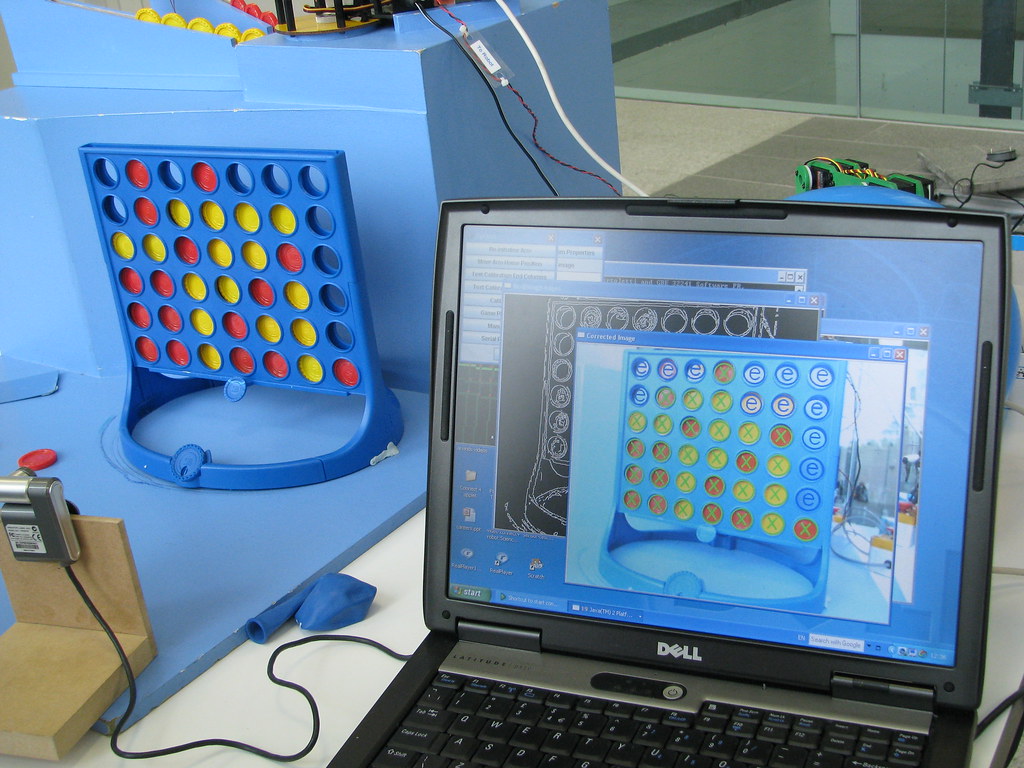
Here is where it gets interesting. In late 2025, a national listing site decided to blow up its own business model. New CEO Kaz Nejatian, the former Shopify COO, started calling it a 'refounding' into a software and AI company. The old plan was buy houses, fix them, flip them. Capital heavy, slow, risky. The new plan leans on agents and code instead of a warehouse full of houses the company owns.
Nejatian is betting on himself too. His pay is a
On a Q4 earnings call, he leaned hard into new AI vision models that have replaced the old manual, third-party appraisals. The pricing engine is trained on millions of photos, agent notes, and home-visit records. The capital-light push runs through agent programs called Key Connections and Key Agent, including a tie-up with eXp World Holdings, whose agents use a national listing site's Key Agent app to do in-home digital assessments. So a human still shows up with a phone. The valuation itself leans on the machine.
Side note. As of November 19, 2026, a national listing site's website no longer publishes a fixed service-charge percentage. So that clean 5% number you could plan around? Gone. You find out your cost when you get your offer.
Now the part that matters if you are a seller trusting this thing with your biggest asset.
On November 5, 2026, a national listing site reported third-quarter results. Revenue grew 12% to
Zoom out. About 1,040 employees. Fiscal-year revenue near $4.37 billion. Gross margins near 7.5%. That is a thin, thin margin for a business that moves billion-dollar volumes of real estate.
And as of Tuesday, November 24, 2026, OPEN was in focus for exactly the wrong reasons. Losses piling up and real Nasdaq listing risk, meaning the stock could get kicked off the exchange. Analysts land on a consensus Hold, which is Wall Street for 'we are nervous too.'
Here is the thing. You do not need to care about a national listing site's stock chart to sell your house. But you should care that the company pricing your home is under pressure, because pressure changes behavior. A company marking down inventory and staring at a delisting is not in a generous mood.
And buyers are already cooling on the robots. Cotality's AI in Housing 2026 report found U.S. trust in AI to help find a home fell from 30% in 2025 to just 16% in 2026, even though 75% of buyers assume AI is already baked into the transaction somewhere. People use it and distrust it at the same time. That is where we are.
Same report, 44% of buyers said they would pay extra to have a human expert verify an AI-generated housing decision, and 56% trust a human's read over AI when it comes to natural-disaster risk. In Colorado, with wildfire and hail territory factored into every value, that last one hits home.
And the valuation tech is still imperfect by its own makers' admission. Consumer automated tools show a national median error around 2.4% on on-market homes and jumping to 6.9% off-market. HouseCanary cites roughly 2.5% on listed homes versus 6.8% pre-list. On a $600,000 Denver home, a 6.9% miss is over $41,000. That is not a rounding error. That is a down payment.
I am not here to tell you never take a cash offer. If you need out fast, a death in the family, a job in another state, a house you cannot carry another month, the convenience can be worth the discount. That is a real reason and no shame in it.
But go in clear eyed. An algorithm offering you 70 to 80 cents on the dollar, with a fee it will not post publicly anymore, run by a company losing
Before you sign anything, get a real human read on your home and what the open market would actually pay. That is literally what we do at Symbio Homes. Get both numbers side by side, then decide. The machine is fast. Fast is not the same as fair.