 Revolutionizing · Modernizing · Simplifying
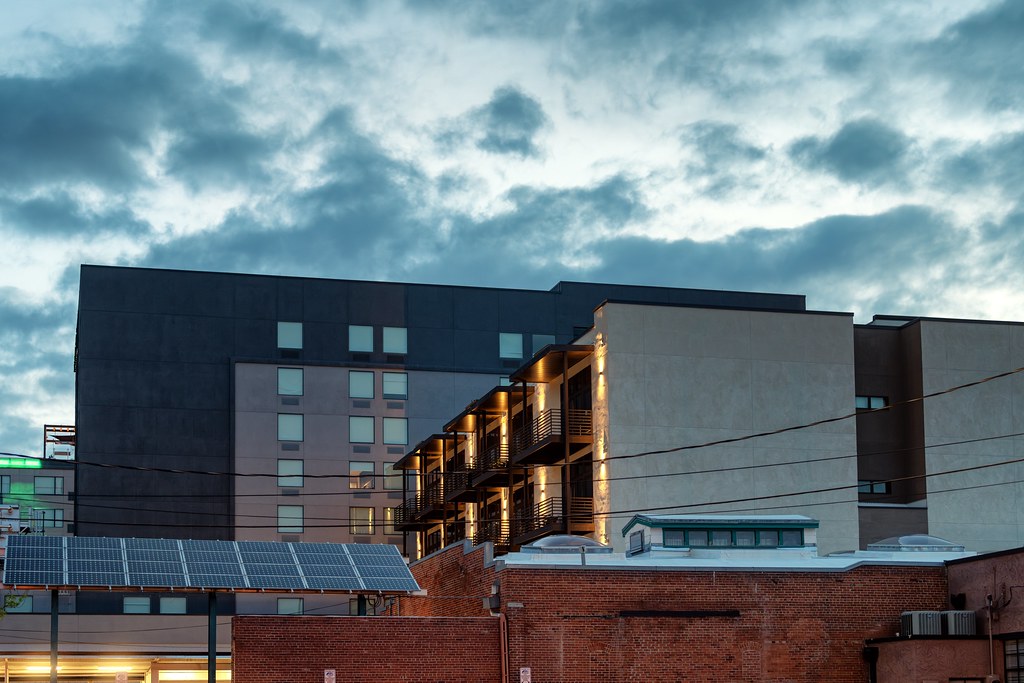
Picture a condo balcony in Capitol Hill. Third floor, decent southern exposure, a couple hundred dollars of solar panels you could buy online and hang over the railing. Right now, in most of these buildings, the covenant says no. The board says no. And that has been the end of the conversation.
Five weeks from now, that no stops meaning anything.
On January 1, 2027, a new Colorado law makes it so your HOA can no longer tell you to take the panels down. This is the part most people have not clocked yet, and if you own or rent inside a common interest community on the Front Range, it changes your options in a real way.
The bill is HB26-1007, officially titled "Improve Customer Use Distributed Energy Resources." Governor Jared Polis signed it on May 7, 2026, and it became Chapter 127. Most of it took effect back on August 12. But the piece that matters for HOAs and renters was held back on purpose until January 1, 2027.
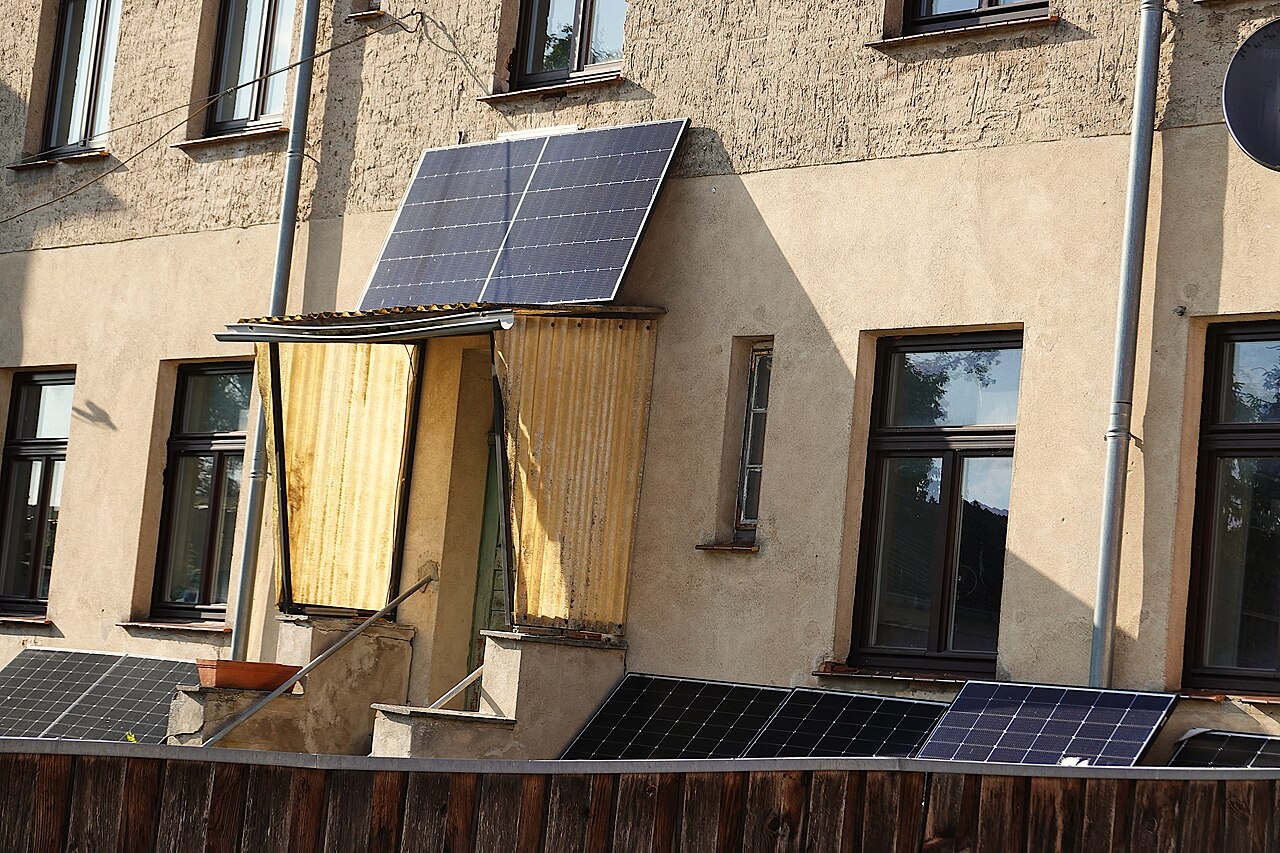
Here is the core of it. Starting on that date, any covenant, rule, lease stipulation, or restriction that unreasonably prohibits or restricts a portable-scale solar generation device is unenforceable and void as a matter of public policy. Void. As in, it does not count anymore, even if it is sitting right there in your declaration.
And that phrase, "portable-scale solar generation device," is the whole trick. The law creates a brand new protected legal category for exactly the kind of plug-in and balcony solar that used to live in a gray zone. Colorado already had an older solar-covenant law that voids bans on solar energy devices. But that one does not reach leased property, it does not reach shared areas, and it never said a word about plug-in systems. So renters and condo folks were basically left out. This new law walks right into that gap and fills it.
Here is the stat that surprised me. The cap is 1,920 watts of output to the grid per address.
That is the highest plug-in solar cap of any state in the country. Most other states that allow this top out at 1,200 watts. Colorado blew past them. So we are not doing a watered-down version of balcony solar here. We are doing the most generous one in America.
There are a few guardrails, and they are reasonable. The device has to be labeled and listed by a nationally recognized testing laboratory, something like UL. It also has to include a feature that stops it from energizing the grid during a power outage, which is a safety thing for line workers. If your device is 391 watts or less, you are exempt from the listing requirement entirely.
This part is underrated. Utilities like Xcel Energy cannot require pre-approval before you install or use one of these. They also cannot charge you a fee tied to a portable-scale solar device. No permission slip. No surprise line item on the bill. You plug it in.
Now, before anyone emails me, the HOA does not vanish completely here. Boards can still require you to take on responsibility and liability for installing, maintaining, and removing the thing. And they can set reasonable rules on notice, safety, size, placement, location, and how you secure it to the railing. Reasonable is the key word. What they cannot do anymore is use a blanket ban as the answer.
So who does this actually move the needle for. Hundreds of thousands of Front Range homeowners and renters who live inside HOAs and condo associations, which around here is a huge slice of the market. Think about every newer townhome community in Aurora, every mid-rise condo stack going up near the light rail, every planned neighborhood out in Broomfield and Castle Rock. A lot of those buyers have been locked out of solar because they do not own a roof. Now they get a balcony option that the board cannot kill.
If you ask me, that is a quiet win for the kind of attached and entry-level housing that younger buyers can actually afford. One more reason to say yes to a condo.
Colorado is not alone on the calendar. As of late October 2026, at least 17 HOA and condo law changes were scheduled to take effect on January 1, 2027 across seven states. California, Illinois, Georgia, Minnesota, Virginia, Tennessee, and us. Ours is the portable-solar one.
And it is not the only Colorado change landing on HOAs this cycle. A separate 2026 law, HB26-1099, now requires the declarants of new planned communities and condos to commission and pay for a 30-year reserve study before they hand control over to the association. So if you are buying into a brand new community, there is suddenly a lot more financial homework done for you up front.
Attorneys who advise Colorado community associations are saying the same thing to every board, landlord, and property manager right now. Pull your covenants, your bylaws, and your lease templates, and review them before January 1. Because the solar ban you have been quietly enforcing is about to be a dead letter, and a stale rulebook is how boards end up in a fight they already lost.
Five weeks. Then the balconies get interesting.