 Revolutionizing · Modernizing · Simplifying
Revolutionizing · Modernizing · Simplifying
Revolutionizing · Modernizing · Simplifying
Morning of August 1, 1876. Way down in the San Luis Valley, a group of soldiers from the 9th Cavalry raises the flag over Fort Garland. Colorado is officially a state now, confirmed, on the books. And these are the men marking the moment.
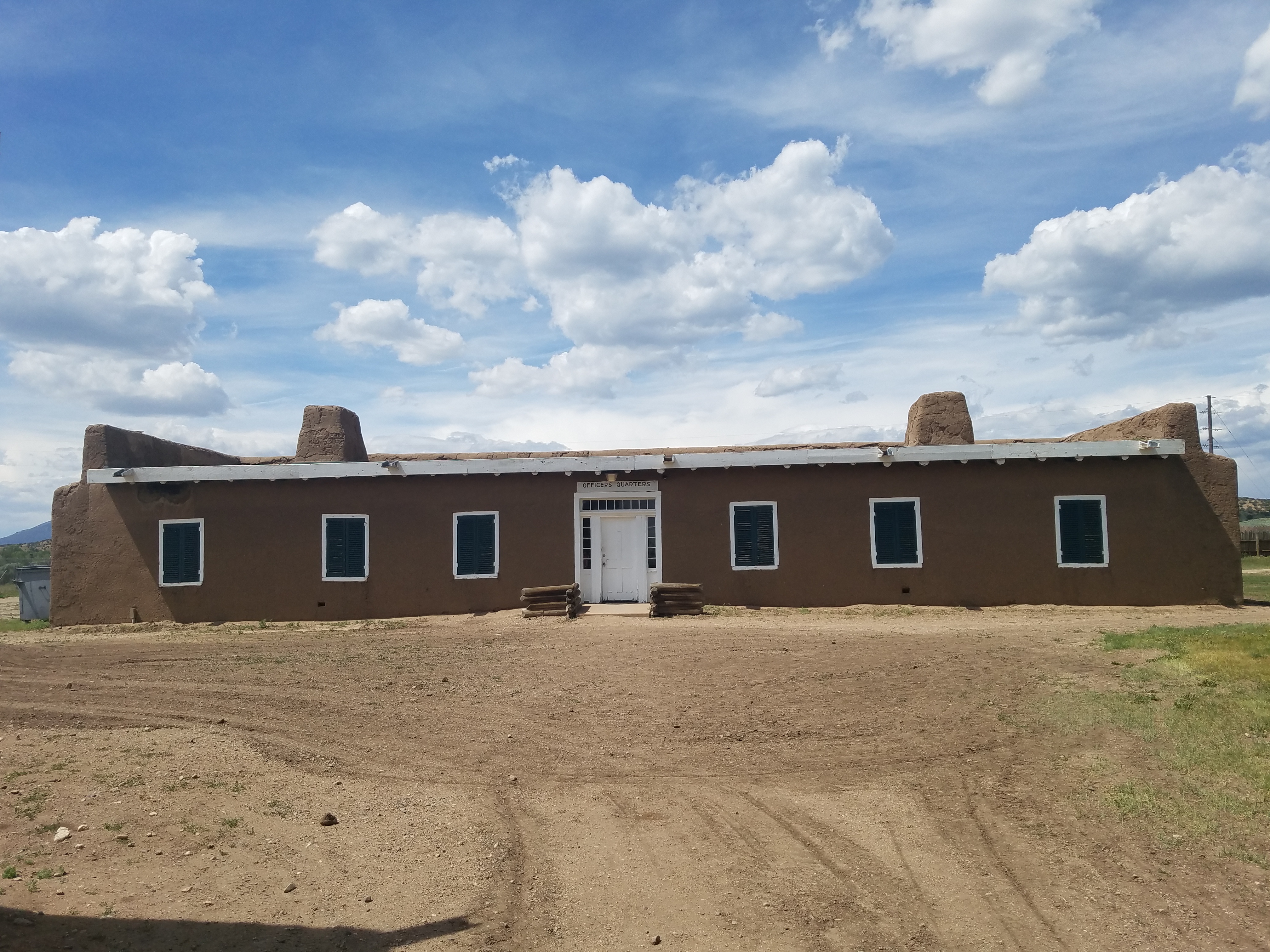
Here is the part people miss. Those soldiers were Buffalo Soldiers, Black cavalrymen stationed out at one of the most remote posts in the whole territory. They are the ones who put the flag up the day Colorado became Colorado. And 150 years later, History Colorado is finally putting that story front and center.
The exhibition is called "O Say Can You See," and it opened on Colorado Day, August 1, as part of History Colorado's statehood observances. Two things anchor the whole room.
First, an original 37-star flag. Not a replica. The real thing, the kind that flew over Fort Garland right before statehood. Thirty-seven stars, because Colorado was about to become number 38. You do not see those every day, and you definitely do not see them sitting inside the actual fort where this history happened.
Second, and this is where it gets interesting, artist Chloé Duplessis built a large-scale reimagining of the Colorado state flag. But she did it as a fiber collage, hand-crafted out of reclaimed textiles. So you have got the old flag on one side, the fabric that carried the country through 1876, and then this contemporary piece stitched together from salvaged material on the other. Old and new, staring at each other across the room.
I like that pairing more than I expected to. It would have been easy to hang the historic flag, slap a placard next to it, and call it a day. Instead you get a conversation. What the flag meant then. What it means now. Who was actually holding the rope.
The programming on opening day did the story justice. Current Buffalo Soldier re-enactors ran a flag raising, which is about as direct a line to August 1, 1876, as you are going to get. And Duplessis gave an artist talk about the fiber piece, the reclaimed textiles, all of it.
Look, most exhibition openings are a plastic cup of wine and some polite nodding. This one had men in period cavalry gear raising a flag on the same ground the 9th Cavalry stood on. That is worth showing up for.
Fort Garland is one of the sites History Colorado runs as part of its statewide network of museums. It sits down in the San Luis Valley, which means it is genuinely one of the least-crowded historic spots in the state. That is not a knock. That is the pitch. You can actually walk the grounds without fighting a crowd, which is the opposite of trying to see anything in Denver on a Saturday.
And the timing is not random. 2026 is Colorado's Sesquicentennial. One hundred and fifty years of statehood. That lines up with America's 250th anniversary at the exact same moment, and History Colorado has been calling 2026 a "Sesquisemiquincentennial." Try saying that three times fast. The point behind the mouthful is that Colorado is the only state marking both anniversaries at once. Our 150 and the country's 250, same year, same party.
So "O Say Can You See" is basically the front door to all of that. It opened on the statehood date, it centers the soldiers who marked statehood, and it does it at the fort where it actually went down.
Here is the thing about the San Luis Valley if you have not spent time down there. It is one of the last corners of Colorado where the land still feels wide open and the prices have not gone completely sideways. Alamosa, Fort Garland, the little towns strung across the valley floor. People chasing quiet, dark skies, and acreage they could never touch up on the Front Range keep drifting down that way.
I am not saying plan a move around a museum. But I am saying the drive down there is part of the whole thing. You come for the 37-star flag, you end up staring at the Sangre de Cristos, and you start doing that math in your head. (Which is dangerous for me and Hayley, honestly. We do this every time we go somewhere with a mountain and a "For Sale" sign.)
The short version. There is an original 37-star flag hanging inside Fort Garland right now, next to a fiber collage that reimagines the Colorado flag out of reclaimed fabric. It honors the Buffalo Soldiers who raised the colors here on August 1, 1876, the day this became a state. It opened for Colorado Day, and it lands right as we roll into the Sesquicentennial in 2026.
Most people are going to spend the anniversary year doing something in Denver with 40,000 other people. You could instead drive down to the San Luis Valley, stand where the 9th Cavalry stood, and have the place mostly to yourself. That is the better version of a Radically Colorado adventure, if you ask me.