 Revolutionizing · Modernizing · Simplifying
Revolutionizing · Modernizing · Simplifying
Revolutionizing · Modernizing · Simplifying
People come to Colorado for the skiing. They stay because of everything else.
Honestly, summer in Colorado might be better than winter now. I know that sounds like heresy, but once the snow melts and the entire Front Range shakes itself awake, something shifts. Patios fill up, mountain towns get their color back, rivers fill with paddleboards and tubes, and every single weekend feels like there is another festival happening somewhere between Denver and the Rockies. Maybe it’s because I don’t ski and I love hiking the Rockies in the summer with their whimsical flowers and sharp weather shifts. There’s truly nothing like it.
And here is what separates Colorado festivals from what you find in other cities. The scenery becomes part of the event itself. You are not standing in some generic convention center parking lot in July heat. You are sitting in the St. Vrain River listening to bluegrass surrounded by cliffs and cottonwood trees. You are watching hot air balloons rise with Pikes Peak filling the entire background. You are tasting wine on Main Street Breckenridge while mountains stack up in every direction. The location is never accidental.
Some of these festivals feel like new Denver, the Denver that grew up around breweries, rooftop restaurants, food halls, and walkable neighborhoods. Others still feel tied to old Colorado, to rodeos and western culture and mountain-town traditions that existed long before this became one of the fastest-growing states in the country. The best ones mix both. That tension between old and new Colorado is actually what makes this place interesting right now.
So here are the 25 coolest spring and summer festivals across Denver, Boulder, Fort Collins, Colorado Springs, and the mountains. Buckle up.
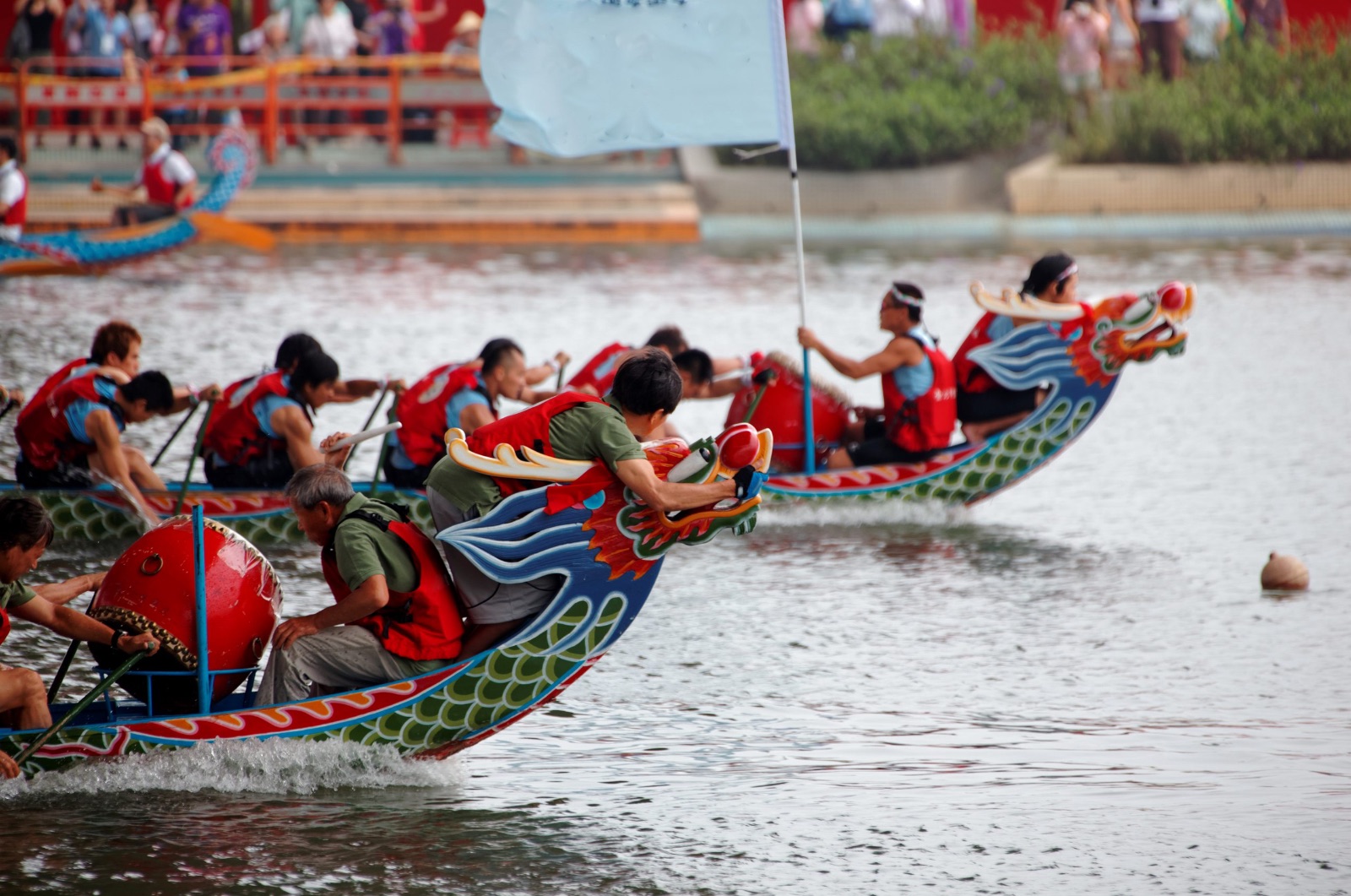
This is, honestly, the coolest overall festival in the entire Denver metro area. I will just say it.
Sloan's Lake already has one of the best skyline views in the city. You can stand on that western shore on any random Tuesday and it feels cinematic because you have downtown on one side and the Front Range filling the background. Now put giant dragon boats racing across that water with mountains behind the skyline and a full-scale cultural festival happening around the entire lake. The whole thing becomes something else.
What makes it work is that it feels genuinely cultural and immersive rather than corporate. Entire sections of the park fill with vendors serving authentic Asian cuisine. Martial arts demonstrations, music, dance performances, and races happen nonstop. The setting elevates everything. Between the water, the skyline, and the peaks behind it all, this festival feels completely Colorado while also showing how much Denver has grown into a more international and culturally layered city than most people outside of Colorado realize.
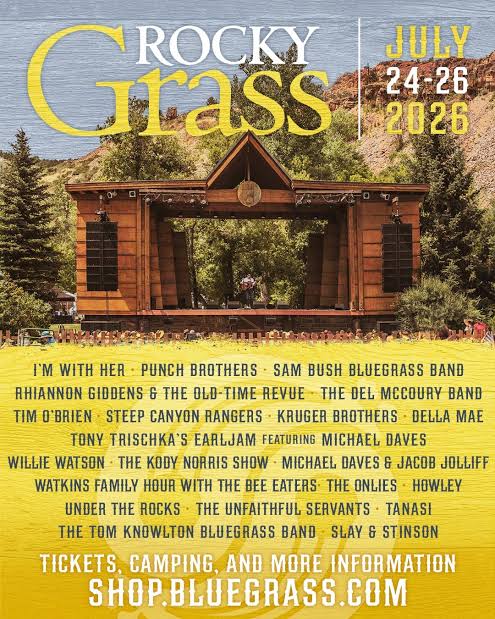
If someone asked what Colorado summer feels like in one weekend, RockyGrass in Lyons might be the most honest answer.
People sit in the St. Vrain River, literally in the river, listening to bluegrass music. Cliffs rise around them. Cottonwood trees line the banks. Campers and mountain locals fill that tiny town all weekend. It is one of those things that sounds a little too perfect when you describe it but then you actually show up and it delivers.
What makes RockyGrass hold up over the years is that it never lost the relaxed Colorado river-town atmosphere that made people love it originally, despite becoming nationally famous. Lyons adds enormously to that because it still feels like a genuine foothills community rather than a polished destination built for tourists. The town is small, a little worn in a good way, and completely itself. If you want old Colorado summer culture, this is it.
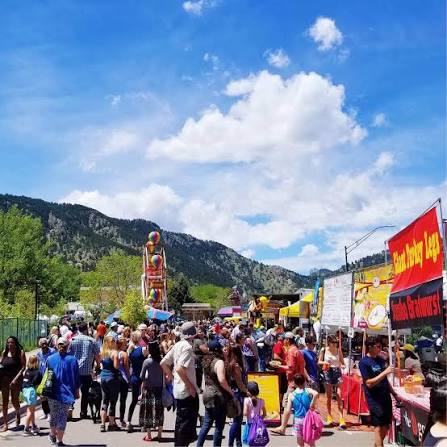
There may not be a festival anywhere that better represents Boulder culture than Boulder Creek Festival. The event runs through downtown and along the creek while crowds move between beer gardens, food vendors, local art booths, and live music with the Flatirons sitting right up there above everything.
The part that makes it feel so right is how naturally it fits the city. People are biking into downtown. They are tubing the creek. They hiked earlier. They are spending hours outside doing multiple things. It feels active in a very specifically Boulder way. And Boulder has changed dramatically over the last fifteen years, become wealthier and more polished, but Boulder Creek Festival still carries some of that original outdoorsy energy that built the city's reputation in the first place.
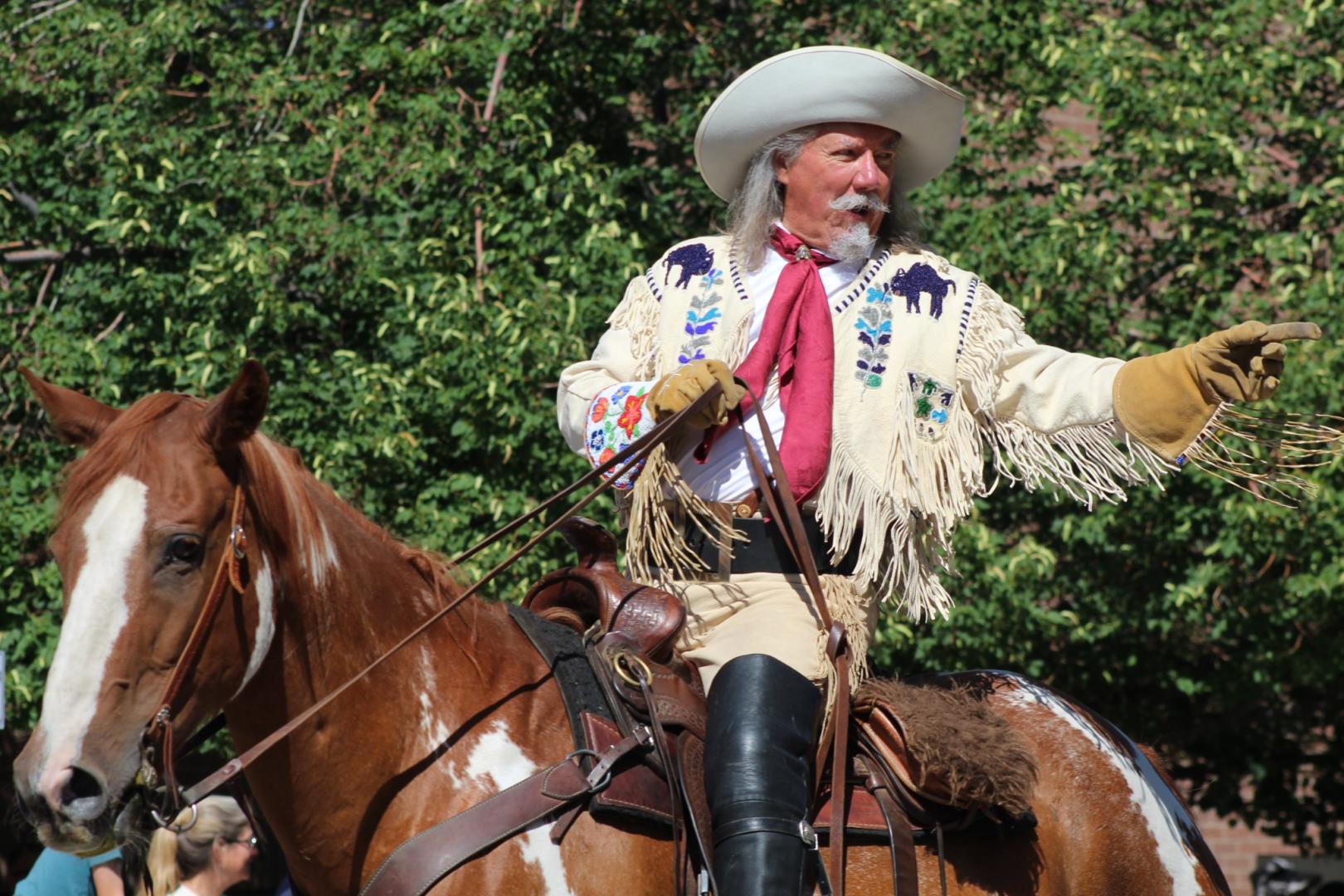
Golden during summer might be one of the best towns anywhere near Denver and I do not think enough people treat it that way.
Clear Creek runs directly through downtown. The foothills rise immediately behind Washington Avenue. On any given summer weekend the place already feels great. But during Buffalo Bill Days, the entire downtown fills with live music, classic cars, vendors, beer gardens, and western-themed events that pull from the town's actual history rather than inventing a vibe from scratch.
Golden works because it balances old and new Colorado better than almost anywhere else on the Front Range. You have authentic western history and historic buildings right next to breweries, cyclists, kayakers, and Denver crowds who drove twenty-five minutes to escape the city for a Saturday. It feels incredibly Colorado without tipping into full tourist-trap territory.
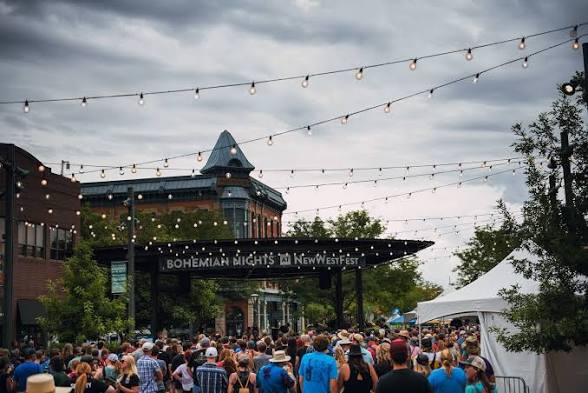
Fort Collins is criminally underrated compared to Denver and Boulder and this festival is part of why.
Old Town Fort Collins already has one of the best atmospheres anywhere in Colorado during summer. Brick streets, breweries, patios, bike culture, and CSU energy all collide downtown. During NewWestFest, the entire city center becomes one giant street festival packed with music stages, food vendors, beer gardens, and crowds moving through downtown late into the night.
What makes it stand apart is that Fort Collins still feels more relaxed and community-oriented than Denver while maintaining a genuinely strong creative and music culture. Summer nights in Old Town during this festival honestly feel like peak Northern Colorado. If you have been sleeping on Fort Collins as a destination, stop that immediately.
GABF helped put Denver on the map as one of the legitimate beer capitals of America and it has only grown from there.
Breweries from all over the country come to the city. Tens of thousands of people spend entire weekends tasting everything from tiny experimental craft batches to nationally known beers. The scale of it is genuinely enormous. Colorado's brewery culture exploded over the last twenty years and GABF was one of the defining events behind that rise. Entire neighborhoods around Denver are now literally built around breweries, patios, and beer tourism.
Even people who are not huge beer people usually appreciate the atmosphere because of the sheer scope. This is one of those events that made Denver a different kind of city.
If you want to understand modern Denver in one afternoon, Highlands Street Fair gives you a pretty clear picture.
The Highlands neighborhood became one of the defining symbols of Denver's transformation over the last fifteen years. Historic homes, breweries, boutiques, rooftop restaurants, packed patios, walkable streets. The whole thing. During the street fair, it feels less like a tourist event and more like the neighborhood throwing one giant block party. Streets close down while local vendors, artists, food trucks, and breweries take over. Every surrounding patio becomes part of the atmosphere. That connection to the actual neighborhood is what makes it feel real instead of manufactured.
UMS feels more like real Denver than almost any other festival in the city. Full stop.
South Broadway transforms into a giant music district for the weekend with bands playing inside bars, on rooftops, on patios, and inside venues all day and night. Instead of planting yourself in front of one giant main stage, you wander through the neighborhood, find artists you have never heard of, and bounce between venues based entirely on sound coming out of doorways. (Side note, this approach is genuinely dangerous for me because I have lost entire afternoons this way.)
South Broadway still has a slightly gritty creative energy that the rest of Denver is slowly sanding off. Vintage stores, dive bars, tattoo shops, independent businesses. Even as Denver gets more expensive and polished, UMS still feels artistic and local and a little chaotic in exactly the right way.
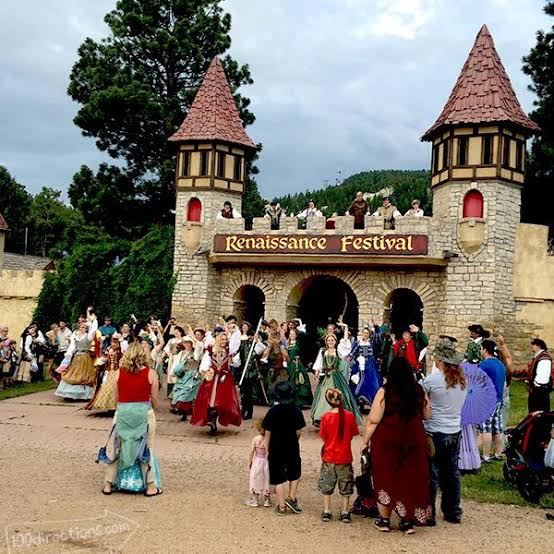
This thing is absurdly entertaining and I say that with complete sincerity.
Entire families show up fully committed in medieval costumes. Actors, musicians, blacksmiths, and performers transform the grounds into a giant fantasy village hidden in the forest between Denver and Colorado Springs. And here is what makes it actually work. Everybody buys in. Even people who walk in skeptical usually end up loving it because the immersion is complete and strange and hilarious all at the same time. The wooded setting helps make it surprisingly believable. There is something about that forest location that keeps it from feeling like a parking lot event with costumes on.
Cherry Creek Arts Festival represents the polished side of what modern Denver has become, and it earns it.
Cherry Creek North already has some of the best shopping, dining, and walkability in Colorado. During the festival, the entire neighborhood transforms into an outdoor art gallery. Artists come from around the country. The crowds are enormous. The event reflects a real shift in how Denver sees itself. What was once viewed primarily as a cow town and outdoor destination now hosts nationally recognized art festivals. The neighborhood itself kind of tells that whole story.
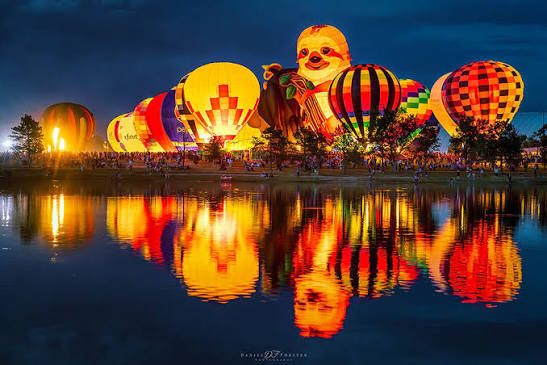
Few visuals in Colorado are cooler than hundreds of hot air balloons rising into the air with Pikes Peak dominating the background. That is just a fact.
Crowds gather at Memorial Park before sunrise while the sky slowly fills with balloons that reflect off the water below. The setting is everything here. Colorado Springs still feels more mountain-oriented and spread out compared to Denver, and that giant backdrop of Pikes Peak gives the entire festival an atmosphere that feels massive and dramatic in a way that is hard to replicate anywhere else. If you have not made the drive down I-25 for this one, put it on the calendar now.
Hayley and I keep coming back to Fort Collins in summer because the city just does not get old, and Taste of Fort Collins is a big part of why.
It combines breweries, live music, food vendors, and outdoor culture into a weekend that captures Northern Colorado without trying too hard to be anything other than what it is. The atmosphere feels slightly calmer and more community-oriented than most Denver festivals while still drawing huge crowds. The city's bike culture, brewery scene, and walkable downtown make the entire event feel extremely Colorado in the best way.
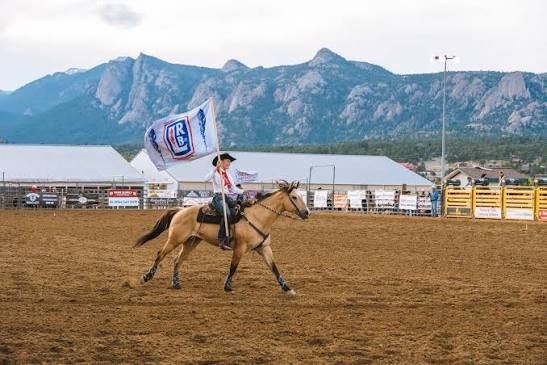
This event feels like old western Colorado sitting directly at the entrance to Rocky Mountain National Park, which is a combination that probably should not work as well as it does.
Rodeo events, mountain scenery, elk wandering through town, and packed downtown streets combine into something that feels completely genuine. Estes Park has its tourist side for sure, but the Rooftop Rodeo pulls from the town's real identity. The setting with those peaks rising directly above the arena is one of those only-in-Colorado things that you have to experience to fully appreciate.
Five Points was known as the Harlem of the West. Most people driving through today have no idea about that history and that is exactly the problem this festival addresses.
Streets fill with jazz performances, food vendors, local artists, and community events honoring the neighborhood's cultural legacy. What makes it important beyond the music is that it preserves pieces of old Denver culture that are rapidly disappearing due to redevelopment and rising costs. Five Points has been hit harder by Denver's transformation than almost any other neighborhood. This festival pushes back against that erasure every year.
PrideFest completely transforms Civic Center Park into one of the largest events in the Rocky Mountain region. Massive crowds, parades, live performances, vendors, and community groups take over downtown for the full weekend.
The scale of the event reflects how much Denver has genuinely evolved into a nationally connected city over the last two decades. Civic Center is already a dramatic setting with the capitol and the mountains framing it. During Pride weekend, the energy there is something else.
Breckenridge after ski season is massively underrated and I will die on this hill.
Once the lifts stop spinning, the town gets greener, quieter, and honestly more enjoyable in a lot of ways. The crowds thin out. The mountain air is still there. During the food and wine festival, Main Street fills with tastings, food vendors, and patios while mountain scenery sits in every direction you look. This is summer in the Colorado mountains at its most straightforward and enjoyable.
People's Fair still feels connected to older Denver before explosive growth transformed so much of the city. The festival leans heavily into local artists, musicians, and community organizations rather than giant corporate branding and sponsored stages. That distinction matters more now than it did ten years ago because a lot of Denver's festival culture has moved toward the corporate event model. People's Fair is a reminder of what existed before that shift.
Entire downtown streets become temporary canvases while artists create massive murals directly on the pavement. Watching artists work in real time while crowds slowly wander through is a genuinely different festival experience. There is no headliner, no beer garden to plant yourself in for the afternoon. You just move through it and watch something being made. It is one of those events that is quieter than the big weekend festivals but honestly more memorable because of it.
One of the biggest cultural celebrations in Colorado. Civic Center Park fills with lowriders, dancing, music, food vendors, and huge crowds every year. The lowrider culture specifically is something most non-Denver people do not associate with the city, but it runs deep here and this festival puts it front and center.
Main Street Frisco filling with barbecue smoke and live music with Dillon Reservoir and surrounding peaks in the background is a very specific kind of wonderful. Mountain-town summer energy combined with actual competition barbecue is not a combination you find everywhere. Frisco itself is one of those Summit County towns that rewards people who slow down and spend real time there rather than just blowing through on the way to Breckenridge.
One of the most iconic western events in Colorado Springs with deep ties to both military culture and the long rodeo history around the Pikes Peak region. The event has been running for decades and it still carries genuine weight. Colorado Springs has a different energy than Denver and the Front Range cities north of it, and this rodeo is part of why.
A calmer and more songwriter-focused version of RockyGrass with the same incredible foothills setting. Lyons as a town punches dramatically above its weight for live music culture and both of its major festivals prove that. If RockyGrass is a little too rowdy for the weekend you have in mind, Lyons Folk Festival gives you the same setting with a different energy.
Honestly one of the best food festivals in the entire metro area, and I mean that purely on the food alone before you factor in anything else.
Thousands of people show up specifically for the authentic Greek food, pastries, dancing, and cultural atmosphere. It is one of those festivals that has been happening long enough in Denver that it has become a real tradition for a lot of families. The food quality is the reason people come back year after year and that is exactly the right reason.
Evergreen Rodeo still feels like authentic old mountain Colorado. Pine forests surround the grounds. Horses, trailers, cowboy hats, and mountain locals create an atmosphere that feels completely genuine rather than staged for visitors.
Evergreen itself becomes genuinely beautiful during summer with lakes, cabins, winding mountain roads, and forests everywhere. The real estate market up there has gone wild over the last several years (mountain properties with easy Denver access will do that) but the rodeo still feels connected to a version of foothills Colorado that existed long before all of that development pressure arrived.
This one is different from every other festival on this list because it does not stay in one place.
BIFA blends mountain scenery, outdoor recreation, and large-scale art installations directly into the town and landscape itself. Performances and exhibits spill into forests, trails, and public spaces throughout Breckenridge rather than staying confined to a single venue or festival grounds. The result feels more like the town becoming an art experience than an art event being dropped into the town. For a place that already has incredible natural scenery built into every sightline, it is a genuinely creative way to use what Breckenridge already has.
Summer in Colorado moves fast. The good weather window between late spring snow and early fall cold is real and finite and every experienced Colorado person knows it. These festivals are how the entire Front Range makes the most of that window every year. Pick a few.