 Revolutionizing · Modernizing · Simplifying
Revolutionizing · Modernizing · Simplifying
Revolutionizing · Modernizing · Simplifying
Sixty feet. That is the number to sit with before you go.

Because that is the length of the Mamenchisaurus now standing inside the Denver Museum of Nature & Science, and a life-sized model of a sauropod does something to your brain that a skeleton behind glass never quite manages. These were the largest land animals to ever walk the Earth. Not the biggest dinosaurs. The biggest anything, on land, period. And the museum built its summer around that fact.
The exhibition is called "The World's Largest Dinosaurs," and here is the part people miss when they hear "dinosaur exhibit" and assume it is just bones for the kids. This one is about biology and anatomy. How did a body that size even work? How does a heart move blood up a neck that long without the animal passing out? How much food does it take to keep 60 feet of dinosaur running? That is the actual question the whole thing is built to answer.
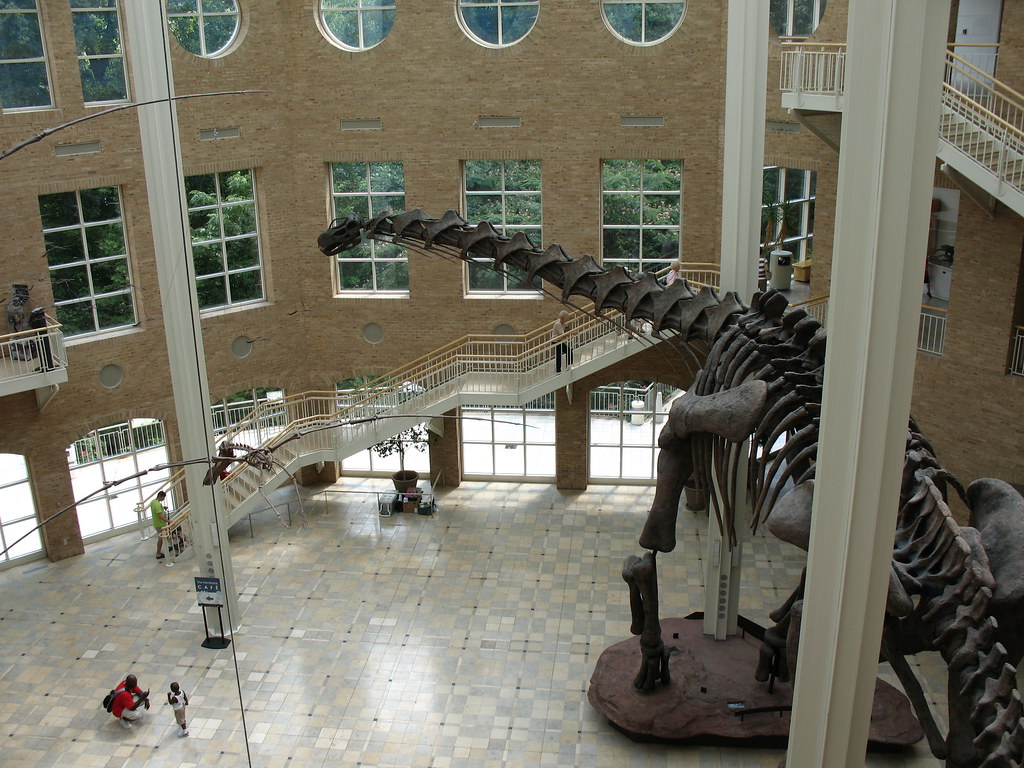
So the headliner is the full 60-foot Mamenchisaurus, life-sized, standing in the room with you. Next to that you have got the head of an Argentinosaurus, which is one of those names paleontology nerds say in a reverent whisper, because it is in the conversation for the largest of the large.
And it is not a walk-past-and-read-a-plaque situation. There are interactive exhibits woven through it, plus real museum specimens, so you get the hands-on stuff and the genuine article in the same trip. Good for kids who need to touch something every eight seconds (no judgment, I was that kid). Good for the adult in the group who secretly wants to understand the heart-and-lungs mechanics of a 60-foot animal and does not want to admit it.
Here is the thing you need to actually write down, though. "The World's Largest Dinosaurs" runs through Sept. 7, 2026. That is your window. Museum exhibits like this travel, and when they leave, they leave. So if you have been telling yourself you will get to it eventually, eventually has a date on it now.
While everybody points at the dinosaur, the museum quietly opened a second one that is worth your attention for a completely different reason.
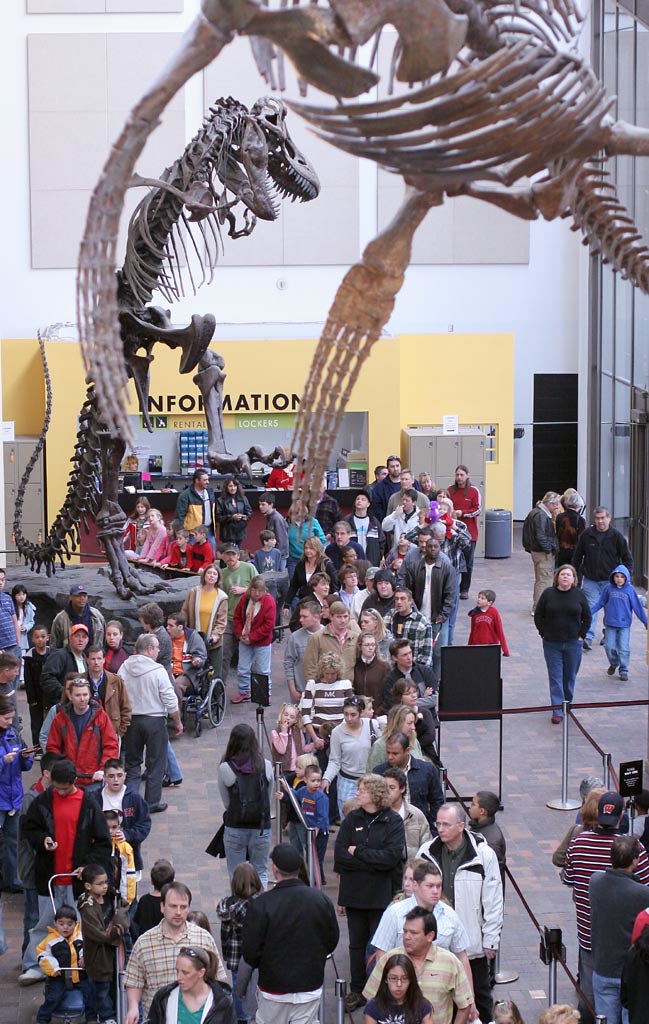
It is called "Changing Landscapes: Inside Venice, Mesa Verde, and Rapa Nui," and it drops you into three UNESCO World Heritage Sites that are all dealing with a changing climate. Big deal about this one is the format. Large-scale projections and interactive experiences, so instead of reading about these places you are more or less standing in them.
Venice in Italy. Rapa Nui off the coast of Chile, which most people know as Easter Island with the giant stone heads. And then, right in the middle of two world-famous spots on the other side of the planet, Mesa Verde. Our Mesa Verde. The cliff dwellings down in the southwest corner of Colorado. I love that the museum put a Colorado site shoulder to shoulder with Venice and Easter Island and basically said, yeah, this belongs in that company. Because it does. If you have made the drive down to Mesa Verde and stood under those dwellings, you already know. If you have not, this is a pretty good nudge.
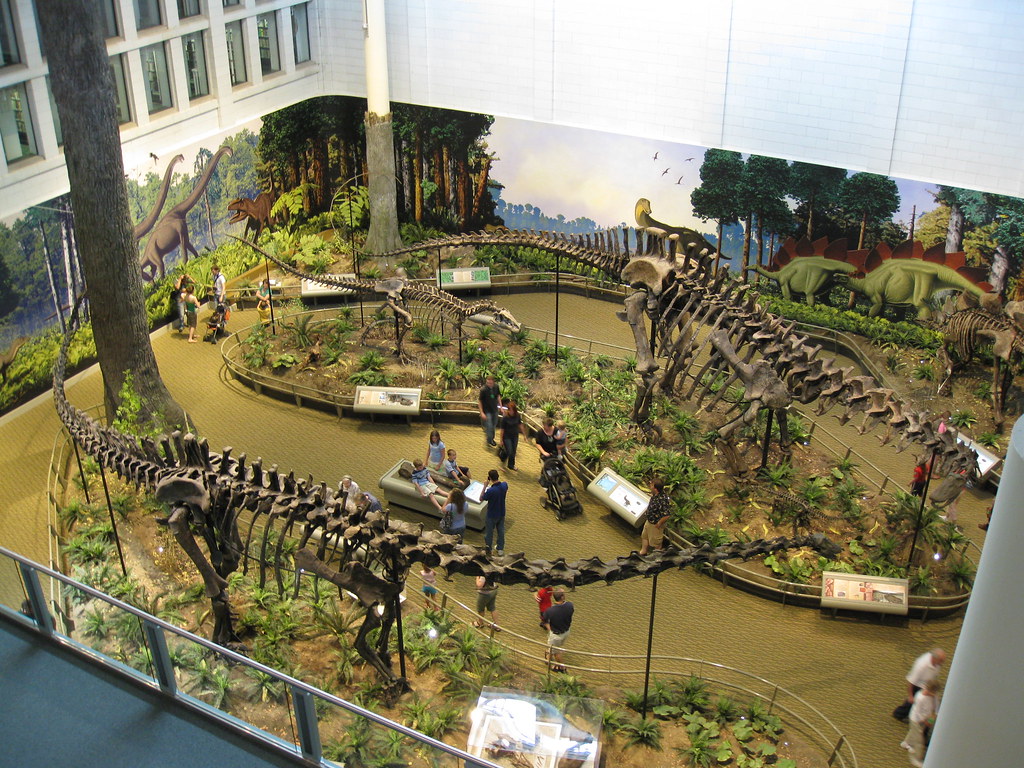
Laser Fantasy is back at the museum, running a cosmic concert series. Lasers, music, the whole thing in the dome. It is the kind of night that sounds a little silly on paper and then you are lying back watching it and grinning like you are fourteen. Hayley and I are suckers for this stuff, which is dangerous for our calendar, because now we have got dinosaurs, disappearing world heritage sites, and a laser show all under one roof.
So the museum has basically turned the whole summer into a stack of blockbusters. Dinosaur. Landscapes. Lasers. All three got flagged among the things to do across Colorado for the weekend of Aug. 14 through 16, which tells you the museum is not sitting quietly this season.
Look, City Park is one of the reasons people pay what they pay to live near it, and the museum anchoring that park is a big piece of the deal. Congress Park, Park Hill, City Park West, the neighborhoods that wrap around here trade partly on being a short walk or quick drive from exactly this kind of programming. Most people do not realize how much a world-class museum in your backyard does for the feel of a neighborhood until they have got kids and a rainy Saturday and somewhere real to take them.
But that is a slower conversation. The fast one is the Sept. 7 date.
The landscapes exhibit and the lasers will be around to catch on a lazier timeline. The 60-foot sauropod will not. Once that Mamenchisaurus packs up, standing next to something that large, in person, is not a thing you can just decide to do next month.
So put it on the calendar before the calendar decides for you. Buckle up, grab whoever you drag to these things, and go stand in a room with the biggest animal to ever walk the planet while it is still here to stand next to.