 Revolutionizing · Modernizing · Simplifying
Revolutionizing · Modernizing · Simplifying
Revolutionizing · Modernizing · Simplifying
Over half of them voted "Concerned, is this the end?"
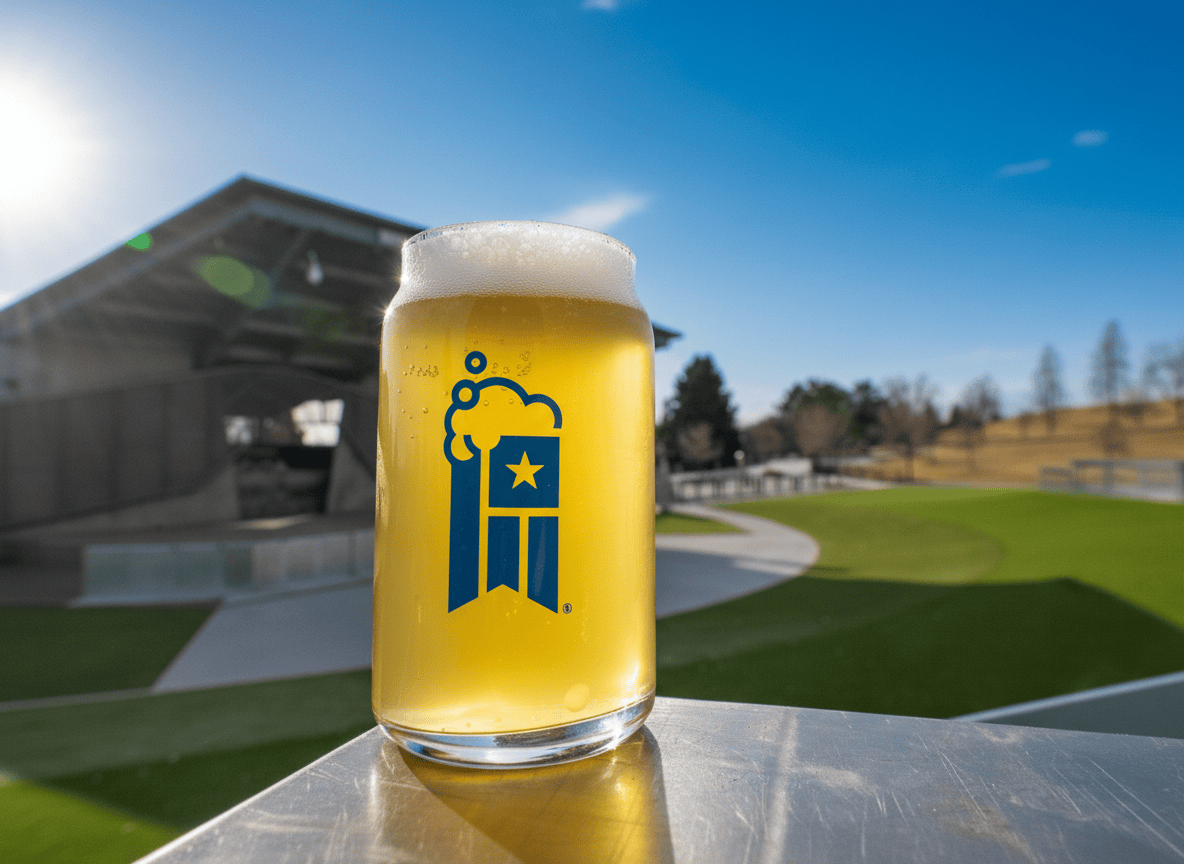
That was the poll. 160 votes in the "Colorado Let's Talk Craft Beer" Facebook group, and when an administrator asked people how they felt about the news, more than half picked the doom option. And these are not random internet people. We are talking brewery owners. Professional brewers. The folks who actually pour at this thing every year.
So here is what has them rattled.
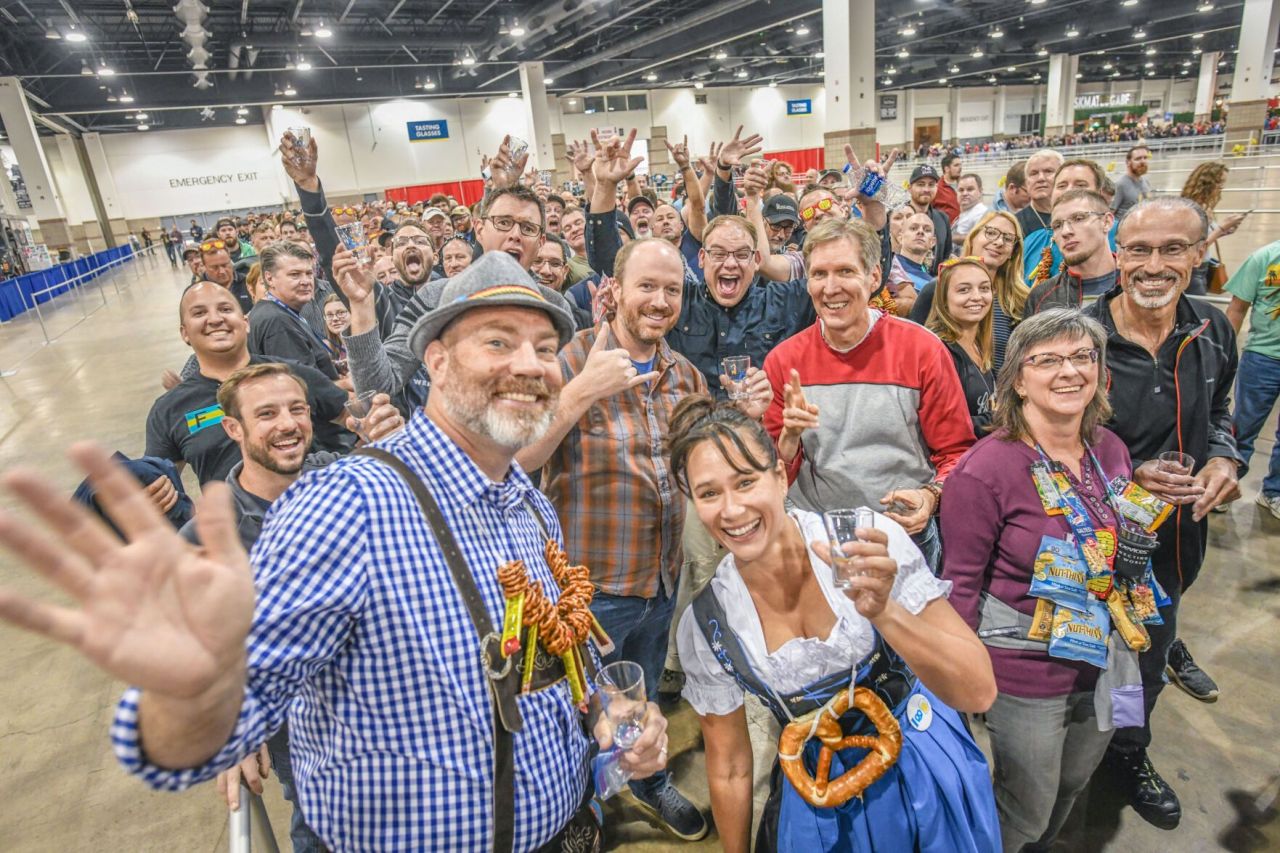
The Great American Beer Festival, the biggest ticketed beer festival in the entire country, is leaving the Colorado Convention Center. It had been downtown since 2000. That is 26 years of the same thing. You park, you walk a few blocks, you get your little tasting cup, and you wander a climate-controlled hall with 400-plus breweries and more than 2,000 beers under one roof. Rain does not exist in there. Wind does not exist. The floor is flat.
Not anymore.
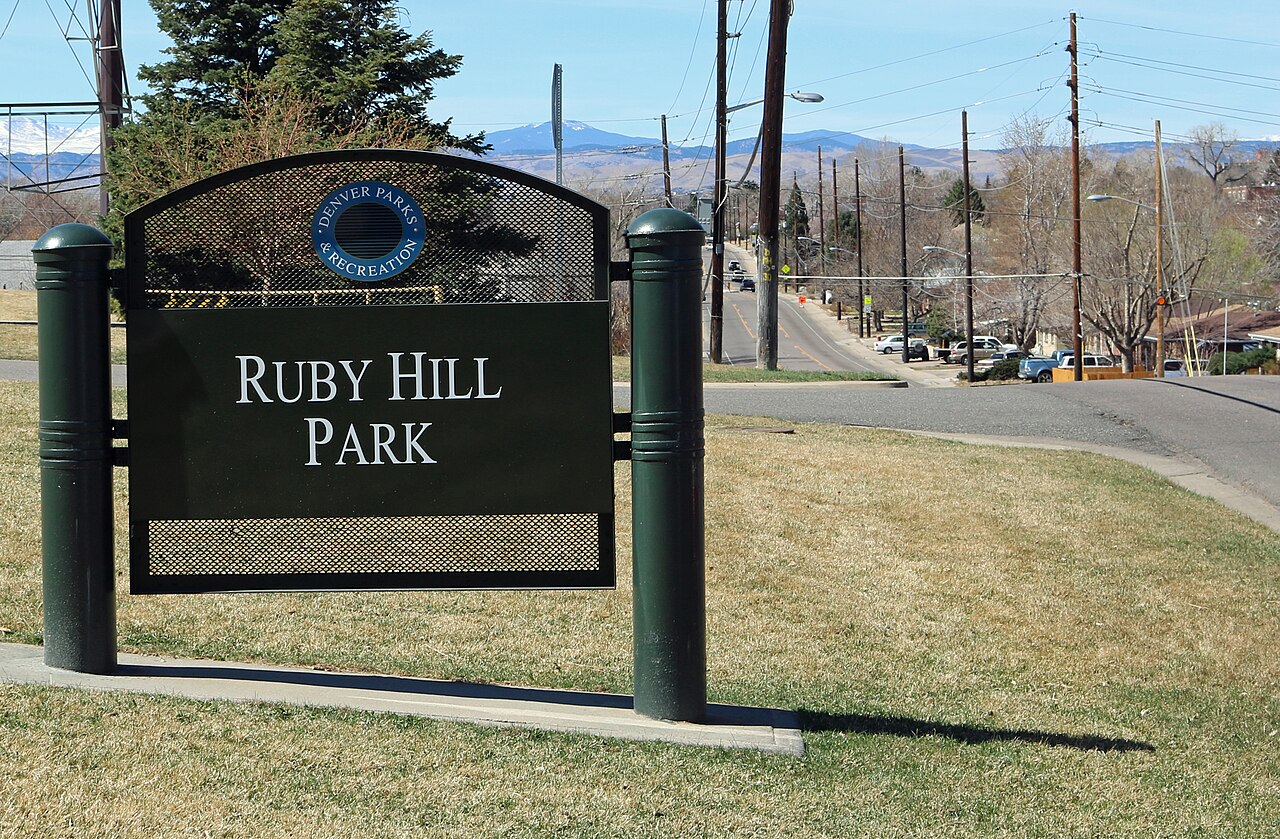
On Jan. 27, 2026, the Brewers Association, which is based up in Boulder, announced GABF is going outside for the first time in its roughly four-decade history. The new home is Levitt Pavilion at Ruby Hill Park. Saturday, Oct. 10 and Sunday, Oct. 11, 2026, noon to 4 p.m. Tickets start at $60.
And look, Levitt is a genuinely nice place. It is a nonprofit outdoor amphitheater, best known for that free summer concert series, and it sits on a hill with green space and these big panoramic views of the city. Hayley and I have been to shows out there. On a warm July evening it is one of the better spots in Denver.
But October is not July. That is the whole problem.
The backlash started basically the second the announcement dropped. And the complaints are not vibes. They are specific.
Transportation is the big one. Downtown, you had light rail, buses, hotels, the whole thing within walking distance. Ruby Hill is a different animal. RTD's D Line has a stop about a mile from the venue. A mile. After you have been sampling 2,000 beers, I mean, do the math on that walk. Only a handful of bus routes stop nearby, and parking out there is more limited than what you had downtown.
Then there is the weather. This is an outdoor event. In October. In Colorado. You know exactly how that goes. It could be 75 and gorgeous. It could also snow. It could do both in the same afternoon, which is kind of our thing here.
And the ground itself. Levitt's lawn is grassy and uneven, which is fine when you are sitting on a blanket watching a band. It is a little more complicated when you are herding tens of thousands of people carrying full glasses across a slope.
The Brewers Association is not calling this a downgrade, obviously. Ann Obenchain, their VP of marketing and communications, called the move "an evolution," not just a venue change. And Meghan McNamara, the executive director of Levitt Pavilion Denver, said the nonprofit is proud to host the festival in Ruby Hill Park. Which, of course they are. It is a huge get for a community venue.
But "an evolution" and "is this the end?" are two pretty different readings of the same weekend. That gap is the whole story right now.
GABF was not even born in Denver. It started in Boulder in 1982, then moved to Denver in 1984, and it just kept growing from there until it became the largest ticketed beer festival in the U.S. For a lot of people in this state, GABF week is basically a holiday. The real stuff happens around the festival too. Our Mutual Friend Brewing throws its "Gratitude" customer-appreciation party on Saturday, Oct. 3, noon to 9 p.m., over at 2810 Larimer St. And PAIRED, the food-and-beer event, survived the reimagining and is still happening Oct. 10 and 11 at Levitt, 1380 W. Florida Ave.
So the bones of the week are intact. The question is whether the main event works in its new skin.
Here is the real estate angle, because there always is one with me.
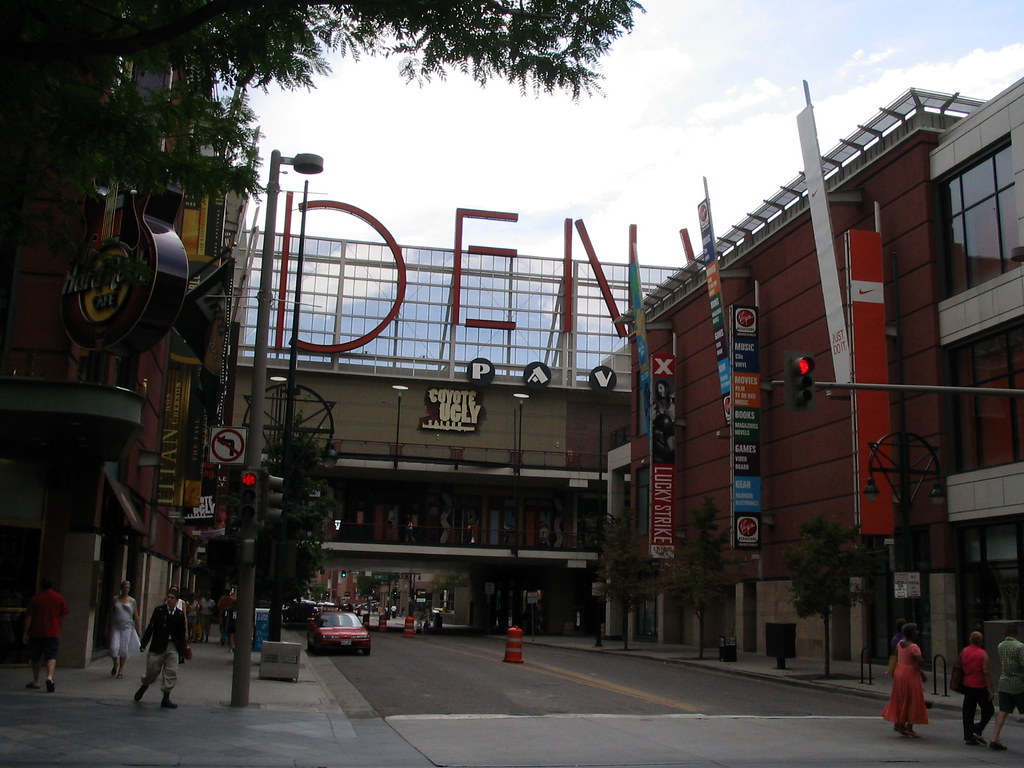
For 26 years, GABF was a downtown money machine. Hotels booked up. Restaurants and bars around the convention center printed cash for a weekend. That whole stretch of downtown leaned on it. Pull the biggest beer festival in the country out of the core and drop it on the southwest side at Florida and the Platte, and you are quietly nudging a weekend's worth of foot traffic and spending away from one part of the city and toward another.
Ruby Hill is in a stretch of Denver that has been slowly catching more attention. More people, more eyes, more reasons to be out that way. An event this size does not fix a neighborhood on its own. But it does put Ruby Hill on a whole lot of calendars that never had it before.
So that is where it sits. The biggest beer event in America is betting it can trade a flat, dry, downtown floor for a hill with a view and not break itself in the process.
The brewers are watching. I am watching. And on Oct. 10, we all find out at the same time.