 Revolutionizing · Modernizing · Simplifying
Revolutionizing · Modernizing · Simplifying
Revolutionizing · Modernizing · Simplifying
Twenty-four moose. That is what showed up in North Park in 1978, hauled in by wildlife crews from Wyoming and Utah to rebuild a population that had basically vanished.
Today there are more than 600 of them living around one state park. Thousands across Colorado. And most of them, if you ask the people who count for a living, are hanging out right here in Jackson County.
So this Saturday, Aug. 8, 2026, the town of Walden is throwing Moose Fest out at State Forest State Park, and it is exactly the kind of low-key, weird, worth-the-drive Colorado event I love telling people about.
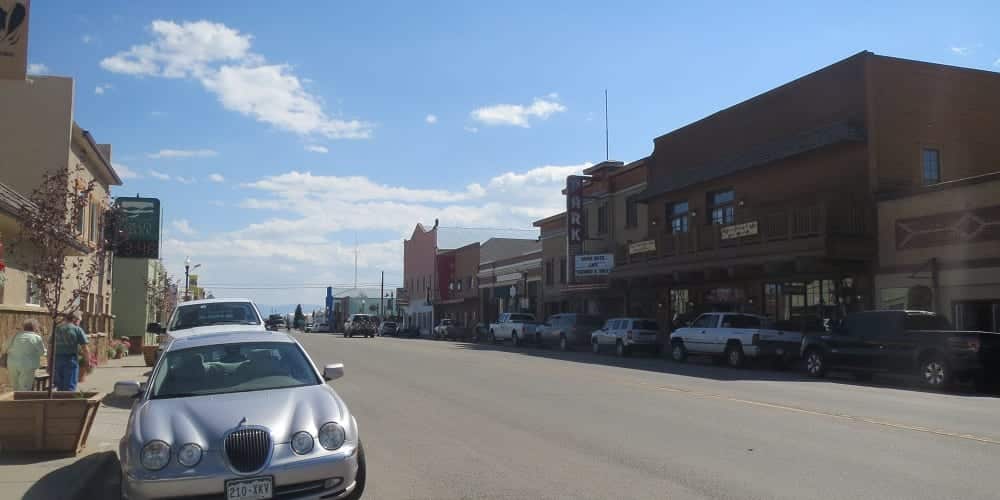
Here is the part people miss about Walden. This is a town of 513 residents (as of 2020), sitting at 8,100 feet, and it is the only incorporated town in all of Jackson County. That is it. One town. A lot of willow bottoms and aspen and open sky.
Back in 1995, the Colorado legislature made it official and crowned Walden the "Moose Viewing Capital of Colorado." Sounds like a fun little title. But former mayor Nadia Louise "Tootie" Crowner, who is now 82, says it was more than that. She says the designation helped save a struggling town. When you are the only game in the county and the mill jobs and ranch economy are thin, a legislature-backed reason for people to drive two hours and spend a weekend actually matters.
And they came. Because the moose really are here.
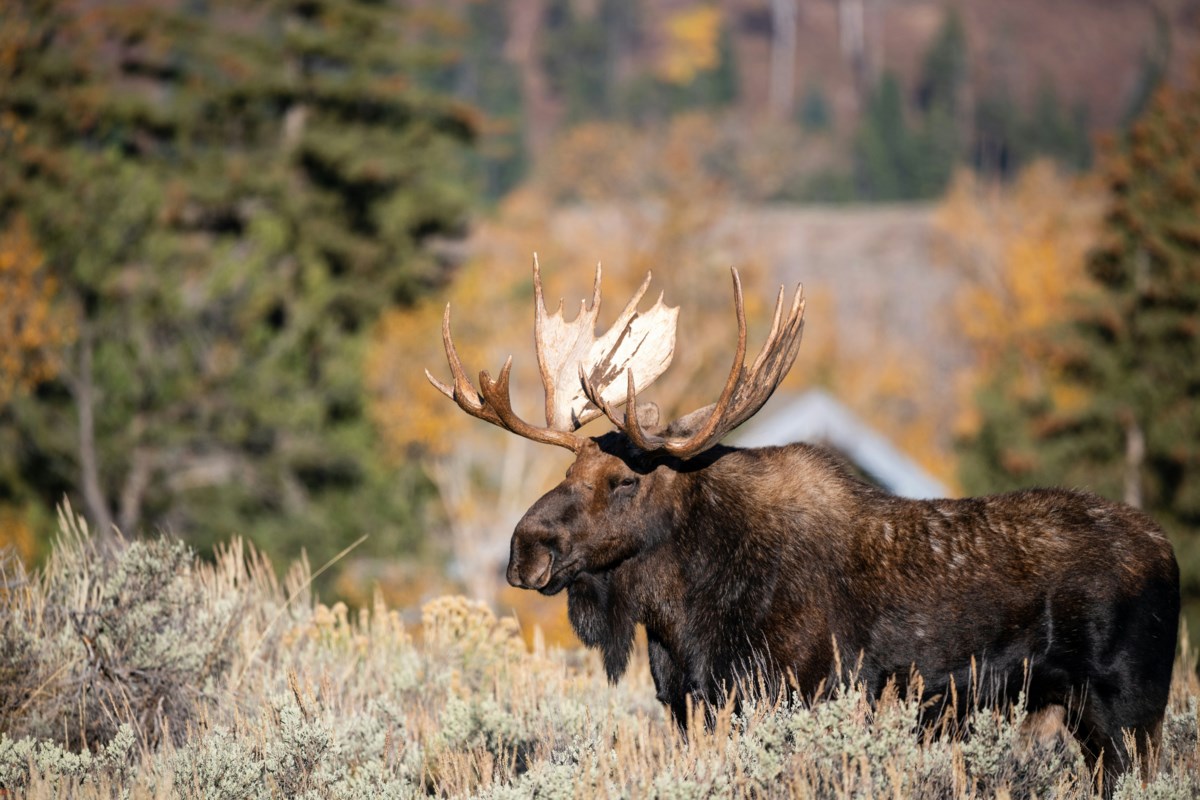
There is a reason those first two dozen animals got dropped into North Park specifically and not somewhere flashier. The habitat. You have got willow bottoms, aspen forests and wetlands, which is basically a five-star resort if you are the largest member of the deer family. Willow is moose food. Wetlands are moose living rooms.
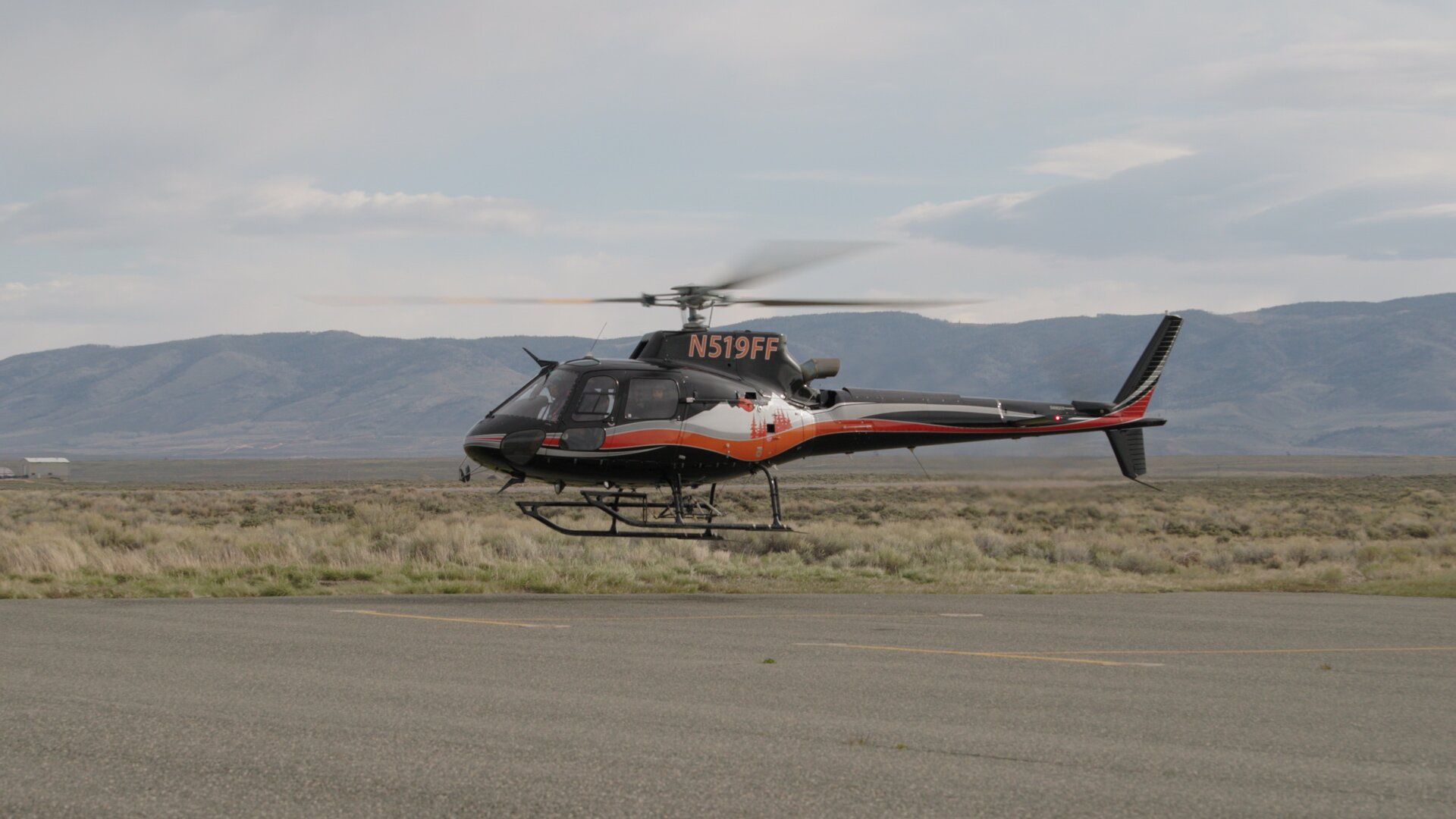
CPW wildlife researcher Ellen Brandell, who holds a doctorate in ecology, ran a three-year helicopter survey counting these things one by one. Her take on North Park? It is "probably the densest area of moose in the state." That is not a tourism brochure talking. That is somebody who spent three years in the air over these willows doing the math.
State Forest State Park backs it up. It is home to more than 600 moose, and it is one of the most reliable moose-viewing spots anywhere in Colorado. It also happens to be the largest state park in the state, over 70,000 acres of forest and alpine lakes. So even on a slow moose day, you are not exactly hurting for scenery.
Do not overthink this one. Moose Fest is family stuff, done well. According to Uncover Colorado, the day includes moose viewing, wildlife experts who actually teach you what you are looking at, kids' activities, guided hikes, and "moose" rides. Which, look, I am assuming those are not real moose you saddle up (my lawyer, Hayley, would like that noted), but the kids are not going to care.
The move I would make: start at the Moose Visitor Center inside the park. That is where you get maps, recent sighting reports, and wildlife safety tips. And the safety part is not a throwaway. A moose is not a deer. It is an ice-age-sized animal with a bad attitude and zero interest in your phone camera. Respect the distance. Enjoy the giant.
Best odds for actually seeing one? Early morning and dusk. They get spotted along the streams, in Hanson Park, and honestly, right in Walden itself. People find them wandering the alleyways and standing in yards like they pay property taxes. Which, side note, would make them the most reliable homeowners in the county.
I keep coming back to the numbers because they are wild. You start with two dozen animals in 1978. A pilot project. A gamble. And now Colorado's moose population runs into the thousands statewide, with hundreds concentrated here in Jackson County. That is one of the genuinely great wildlife restoration stories in the West, and it happened around a town most Front Range folks blow past on the way to somewhere else.
That is what Moose Fest really is when you strip it down. A tiny high-country town, the only one in its county, celebrating the animal that put it back on the map and helped keep the lights on.
From the Front Range this is easy. Walden is about a two-hour drive west of Fort Collins on Highway 14, and it sits roughly 20 miles south of the Wyoming border. So you point the car up 14 through the Poudre Canyon, and you climb.
My honest advice: do not treat this as a there-and-back sprint. You are heading into 70,000 acres of park and the densest moose country in the state. Go early, hit the Visitor Center, do a guided hike, let the kids ride the definitely-not-real moose, and give yourself the dawn and dusk windows when the big animals are actually moving.
Twenty-four moose in 1978. Six hundred now. A town of 513 people throwing them a party this Saturday.
Buckle up. Bring a zoom lens. Keep your distance.