 Revolutionizing · Modernizing · Simplifying
Revolutionizing · Modernizing · Simplifying
Revolutionizing · Modernizing · Simplifying
An Orthodox saint built the altar table with his own hands. In Globeville. In 1905.
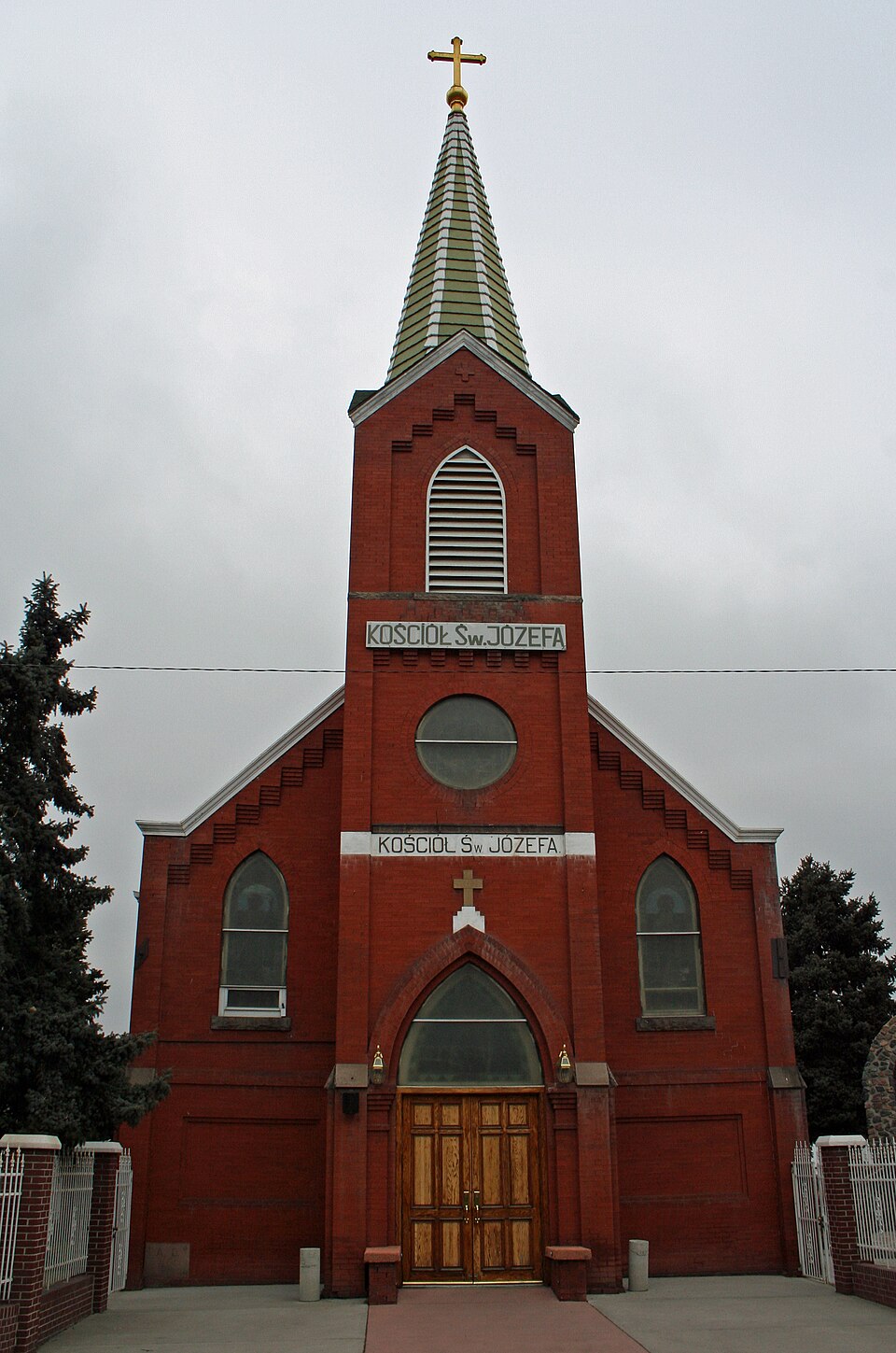
That is not a legend somebody made up for a plaque. Bishop Tikhon of Moscow, who is now canonized as an Orthodox saint, visited this little brick church at 517 East 46th Avenue in 1904 and again in 1905, and on that second trip he personally built the original altar table and deposited relics inside it. This is a Polish Roman Catholic parish. A future Orthodox saint left his fingerprints on it. Most people driving past on their way to somewhere else have no idea.
And here is the thing. You can walk in the door this weekend for free.
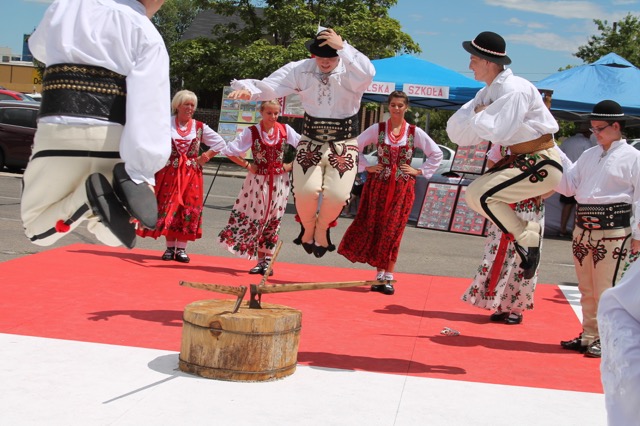
Saint Joseph Polish Roman Catholic Parish is throwing its Polish Food Festival on Saturday and Sunday, August 29 and 30, 2026. Saturday runs noon to 9 p.m. Sunday goes 11:30 a.m. to 5 p.m. Admission is free. You only pay for what you eat and drink, and the meals run $8 to
The menu is the real reason to clear your afternoon. Pierogi, obviously, the dumplings everybody knows. But also gołąbki, which are stuffed cabbage rolls. Bigos, the hunter's stew. Placki ziemniaczane, potato pancakes. Kiełbasa. And kaszanka, which is blood sausage, so consider that your warning or your invitation depending on who you are.
They are not just plating food either. The GAMA Vocal Ensemble is coming in from Poland. The WICI Folk Dancers are coming up from Chicago. Local musicians and dancers fill out the rest. The 2025 edition, held that August, was billed as the 12th annual, so this thing has legs.
Side note, this is a danger zone for me and Hayley. We walk in planning to grab one plate and leave with three and a pastry each.
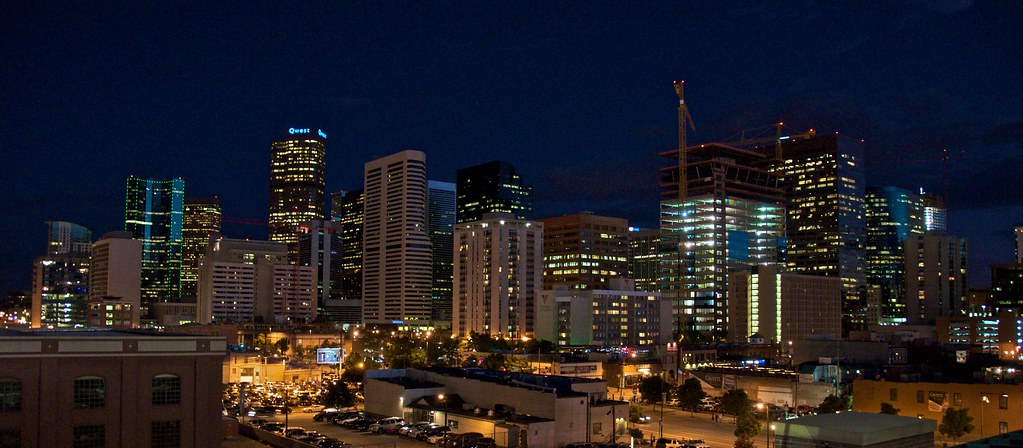
Rewind to 1902. Globeville is its own separate suburb then, a working town built around the smelters, full of immigrants who came for the jobs and stayed. Poles, Croatians, Slovenians, all packed into the same few blocks north of downtown.
The Poles wanted a church of their own. So Rev. Theodore Jarzyński arrived on July 14, 1902, as the first pastor. The cornerstone got laid August 17, 1902, by Bishop N.C. Matz. The first Mass was celebrated that Christmas. The whole original building cost about
It became St. Joseph's, the twelfth Catholic parish in Denver, and it did not just serve the Polish families. Croatian and Slovenian families worshipped there too. That is Globeville in one sentence. Everybody crammed together, making it work.
The building itself is small and gorgeous. Roughly 32 by 60 feet, brick, Gothic style, with pointed-arch openings, five arched stained glass windows, and a bell tower topped by a conical spire. It got added to the National Register of Historic Places on April 21, 1983. If you want the reference number for your own rabbit hole, it is 83001315.
Here is what makes this place different from a museum. It never stopped.
Saint Joseph's is the oldest national Polish church in continuous operation anywhere in the western United States. Continuous. Not restored, not reopened, not turned into an event space. They still say Mass in both Polish and English. They still run a Polish language school next door for kids of Polish descent so the language does not die off with the grandparents.
So when you stand in that sanctuary this weekend eating a potato pancake, you are standing in a room that has been doing this exact job for over 120 years. The immigrant parish that a bishop from Moscow thought was worth two trips.
Globeville is one of the neighborhoods people finally started paying attention to. For decades it was the industrial corner nobody wanted, cut off by the highways, the smelter legacy hanging over everything. That kept prices low and kept it off the radar.
That is changing, and this church is the reason the change is worth watching closely. When a neighborhood has an anchor like this, a genuinely historic building with a living community around it, it does not just get bulldozed into anonymous new-build boxes. It gives the area an identity that survives the money moving in. The festival is proof the community is still here, still cooking, still dancing. That matters more for a neighborhood's long-term character than any square-footage number I can quote you.
So go. It is at 517 East 46th Avenue, 80216. Bring cash for the kiełbasa. Look up at the stained glass. And when somebody tells you Denver does not have deep roots, you tell them about the church in Globeville where a saint built the altar with his hands.