 Revolutionizing · Modernizing · Simplifying
Alfredo Reyes held a piece of sage he had been saving for five years. Five years. He finally lit it on Saturday, Oct. 24, 2026, standing in front of a crowd on Denver's Westside, and told them the past "stands next to us" and the future "is already here."
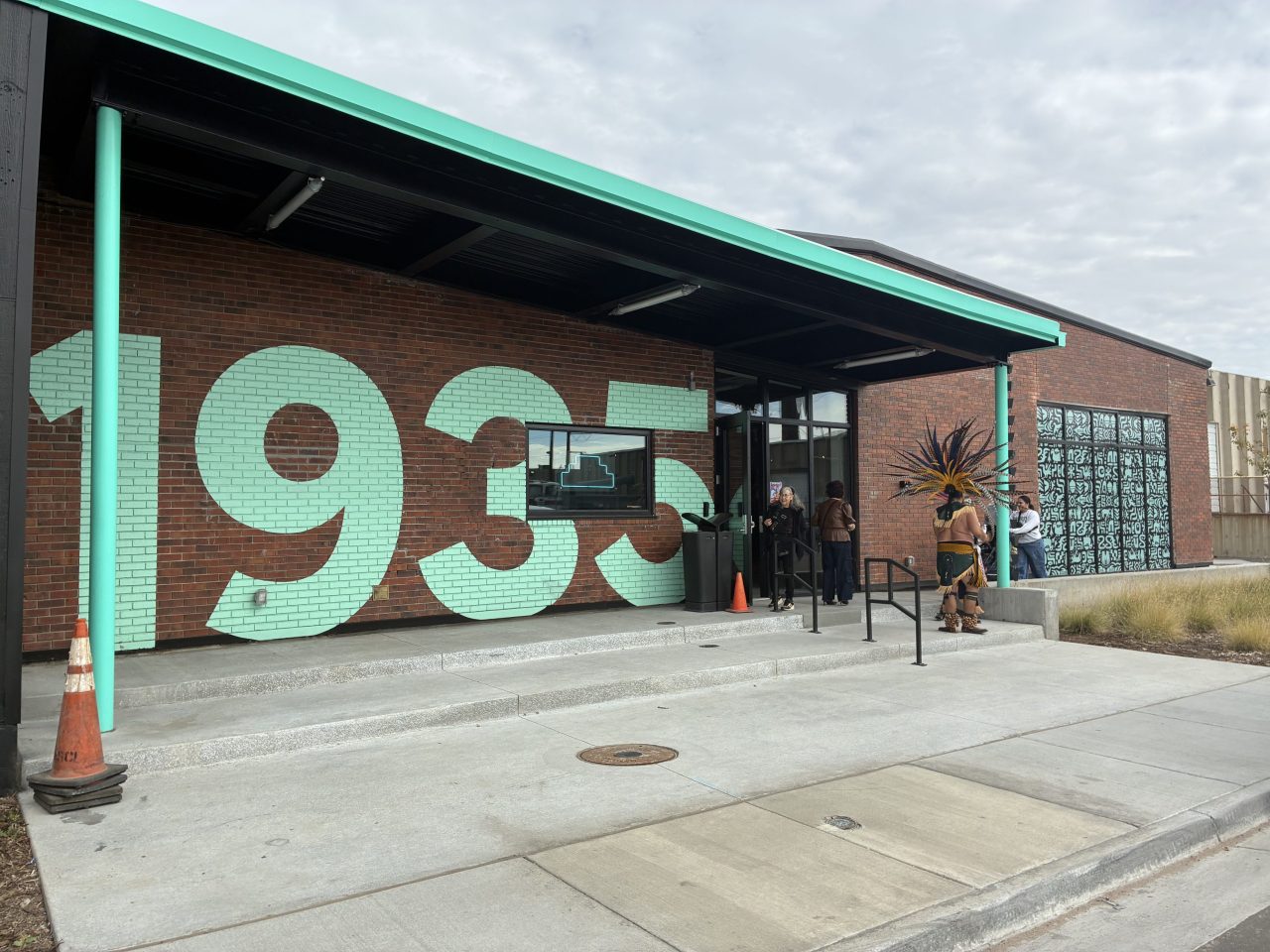
That is how you open a building. Not with scissors. With smoke.
The building is called Las Bodegas, which means "the warehouses" in Spanish, and it sits at 1935 W. 12th Ave., in a renovated warehouse wedged between Sun Valley and La Alma-Lincoln Park. The Latino Cultural Arts Center, or LCAC, just cut the ribbon on it. And here is the part people miss. This is not a gallery that drops in, holds a show, and clears out when the lease gets expensive. The nonprofit owns the land. Owns the building. Owns the key.
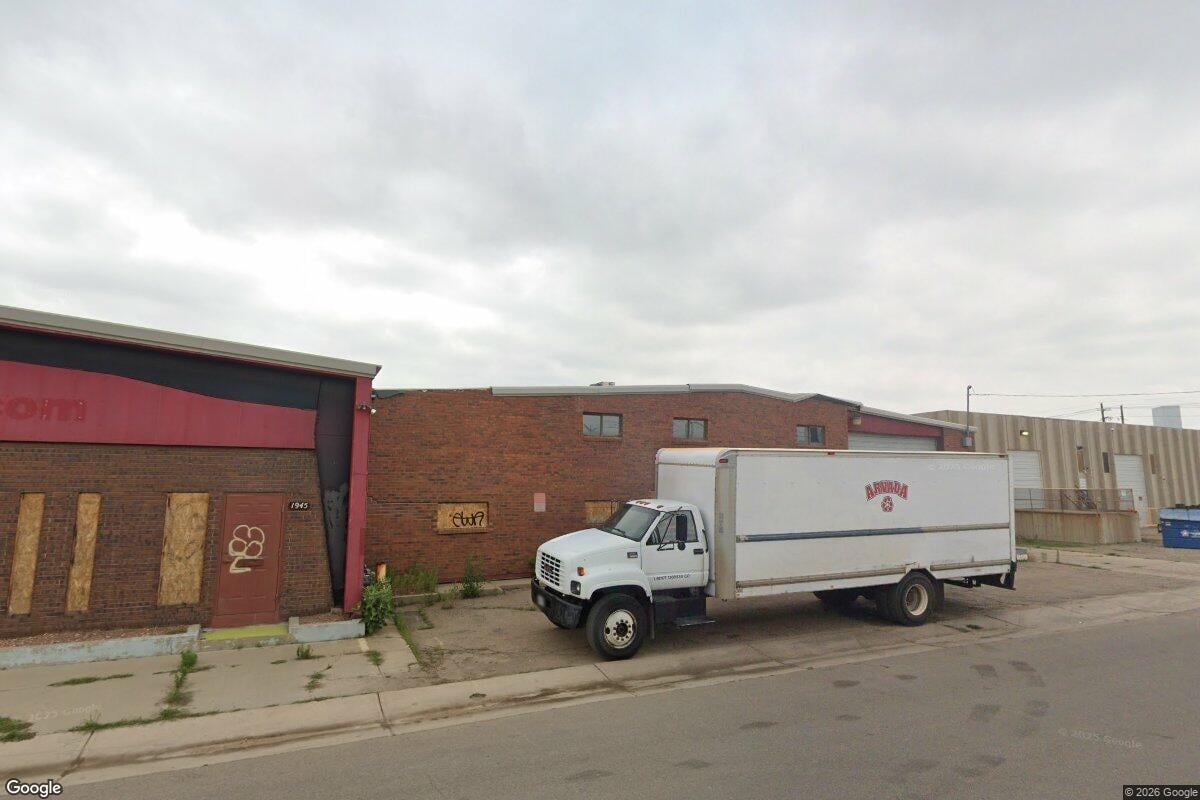
Let me give you the real story on this. It took roughly seven years and about $4.4 million to get here.
It started back in 2019, when LCAC founder and board chair Adrianna Abarca bought the warehouse property herself and then donated it to the nonprofit. Her original vision was a three-story complex. What actually got built is a single renovated warehouse, and honestly, that is the more interesting ending. A grand plan survived contact with reality, got trimmed, and still got finished. That almost never happens.
The square footage depends on who you ask. Rocky Mountain PBS and Westword put Las Bodegas at around 10,000 square feet. CBS Colorado reported back in 2023 that LCAC owned a 14,000-square-foot space. Either way, it is a real footprint on a part of town where real footprints have been getting harder for Latino families to hold onto for decades.
So what is inside? Classrooms. Artist workspaces. Digital media facilities. Community gathering space. The whole thing is built as a career-development hub for creative industries, so we are talking music, film, media, the stuff that pays if you can get your foot in the door. That is the point. It is not just a place to look at art. It is a place to make a living from it.
The money came from a few directions. U.S. Senator Michael Bennet earmarked
One more detail I like. The building is fully electric and runs on green technology. They broke ground on Earth Day 2025, and that was not an accident. The date was the point.
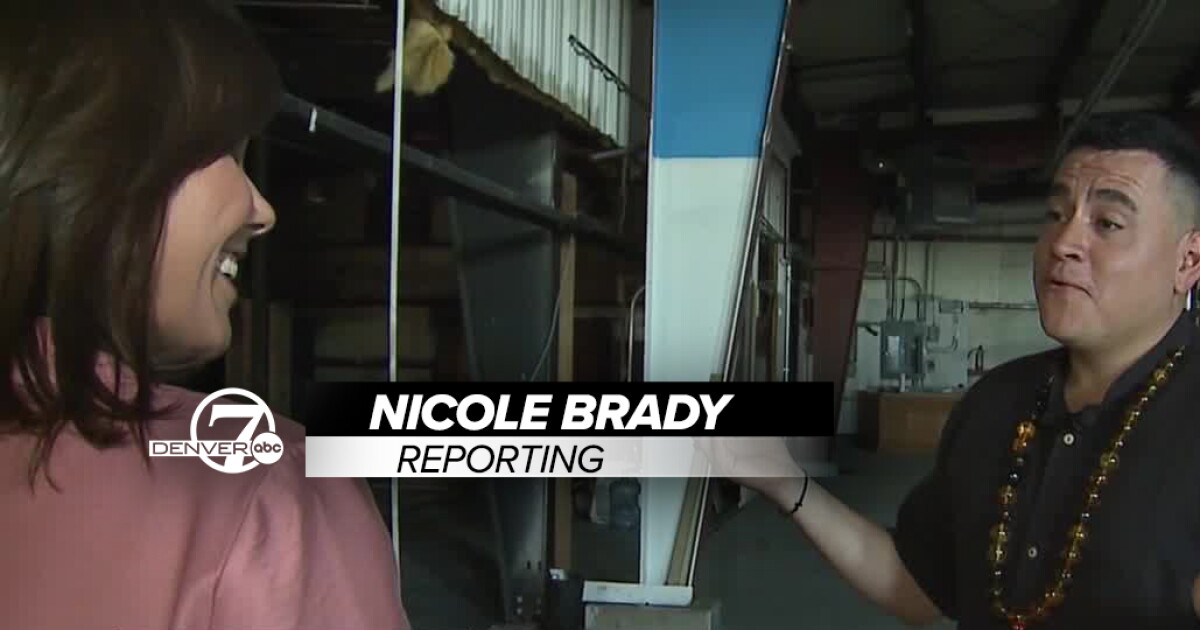
Now, here is the thing you have to understand about where this building sits.
Board leader Celina Benavidez stood up at the opening and said it flat out. "Today we own the key, we own this land, we own this building." On most corners in America that is a nice sentence. On the Westside it is a loaded one.
Benavidez brought up the Auraria neighborhood, right nearby, the one people used to call "the Bottoms." Those residents got pushed out. Much of the neighborhood was flattened to build the Auraria campus. Generations of Latino families, gone, so a parking lot and a college could go up. That history is not ancient. People at that ribbon cutting remember it. Some of them lived it.
So when a Latino nonprofit buys a Westside warehouse, keeps it, renovates it, and hands the community a permanent home instead of a lease that balloons in five years, that is not a feel-good press release. That is a reversal. On a map where the story has almost always run the other way.
And look, I write about Denver real estate all the time. Ownership is the whole game. Renters get moved. Owners get to stay. Owners get to decide. The reason Las Bodegas feels different from the usual arts-space-opens story is that LCAC did the unglamorous thing first. They secured the dirt. Everything else is built on top of that.
Here is the best part, and it is almost buried under the big numbers. You do not need an invite. You do not need to buy a ticket. Las Bodegas is open Tuesday through Saturday, 10 a.m. to 6 p.m. Free to walk into. More info is at lcac-denver.org.
Alfredo Reyes, by the way, is a Westside native and the former executive director. The sage he lit was personal. Five years of carrying something around, waiting for the right day. That tells you this was never really about the $4.4 million or the square footage. Those are just the tools.
The thing it bought is simpler. A corner of the Westside that the community actually owns, with the lights on and the door open.
The past stands next to us. The future is already here. He was talking about a building. But he was also talking about who finally gets to hold the key.