 Revolutionizing · Modernizing · Simplifying
They called it The Boneyard. And they were not being dramatic.

The Denver Botanic Gardens, the place where you take out-of-town guests to feel fancy, the place with the conservatory that looks like a spaceship, is built on top of a 19th-century cemetery. Not next to one. On top of one. And for four nights only, the Gardens stop pretending otherwise.
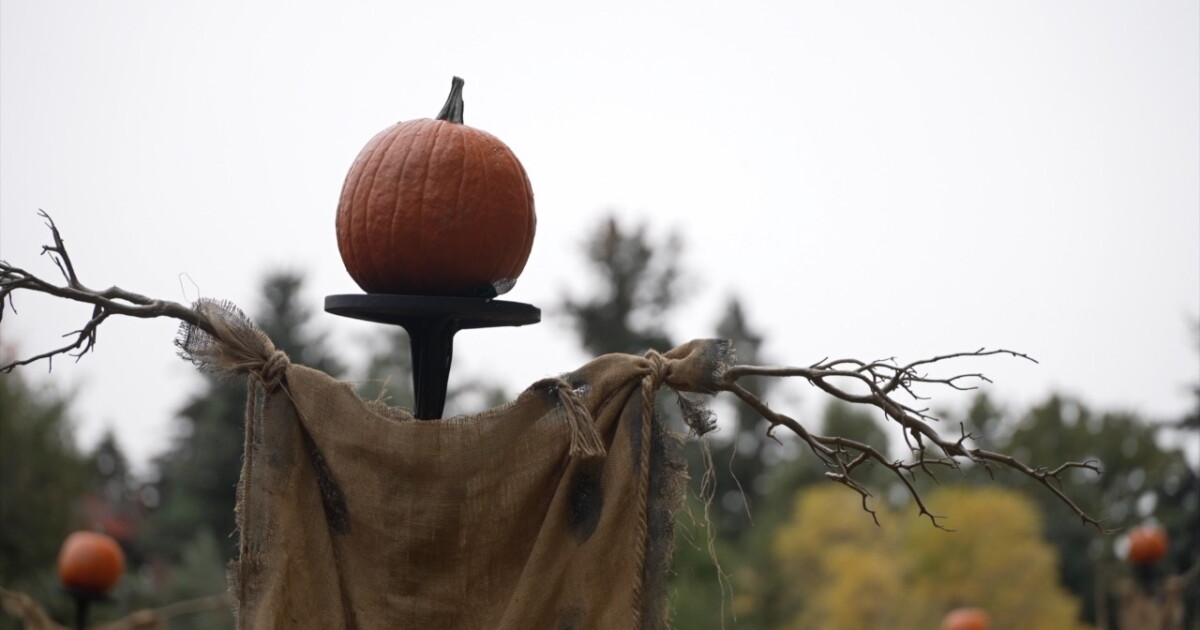
Ghosts in the Gardens runs its final 2026 nights Oct. 28 through 31 at 1007 York St. It is an after-dark, self-guided walk, which means you wander the dark paths in whatever order you want and stop at storytellers scattered across the grounds. Here is the part people miss. Those storytellers are not actors reading a script. They are staff and overnight security guards telling you about the stuff they have actually seen out there after closing. The unexplained kind.
So let me get the logistics out of the way, then we will get to the bodies.
Tickets are $34 general admission and
And proceeds go back into the Gardens' education programs, which the organization says add up to more than 700 classes and activities a year. So you are funding kids' science field trips by getting spooked. Fine trade.
One more reason to go. The tour gets you inside the Waring House, a Beaux-Arts mansion built in 1926 on Calvary Hill. It is the Gardens' administrative offices now, the place where the staff answer email, and it is open to the public only during this event. That is the whole year. You want to see the inside of that building, this is your window.
But the name Calvary Hill is the tell. Because before it was a mansion, before it was offices, that hill was a Catholic cemetery.
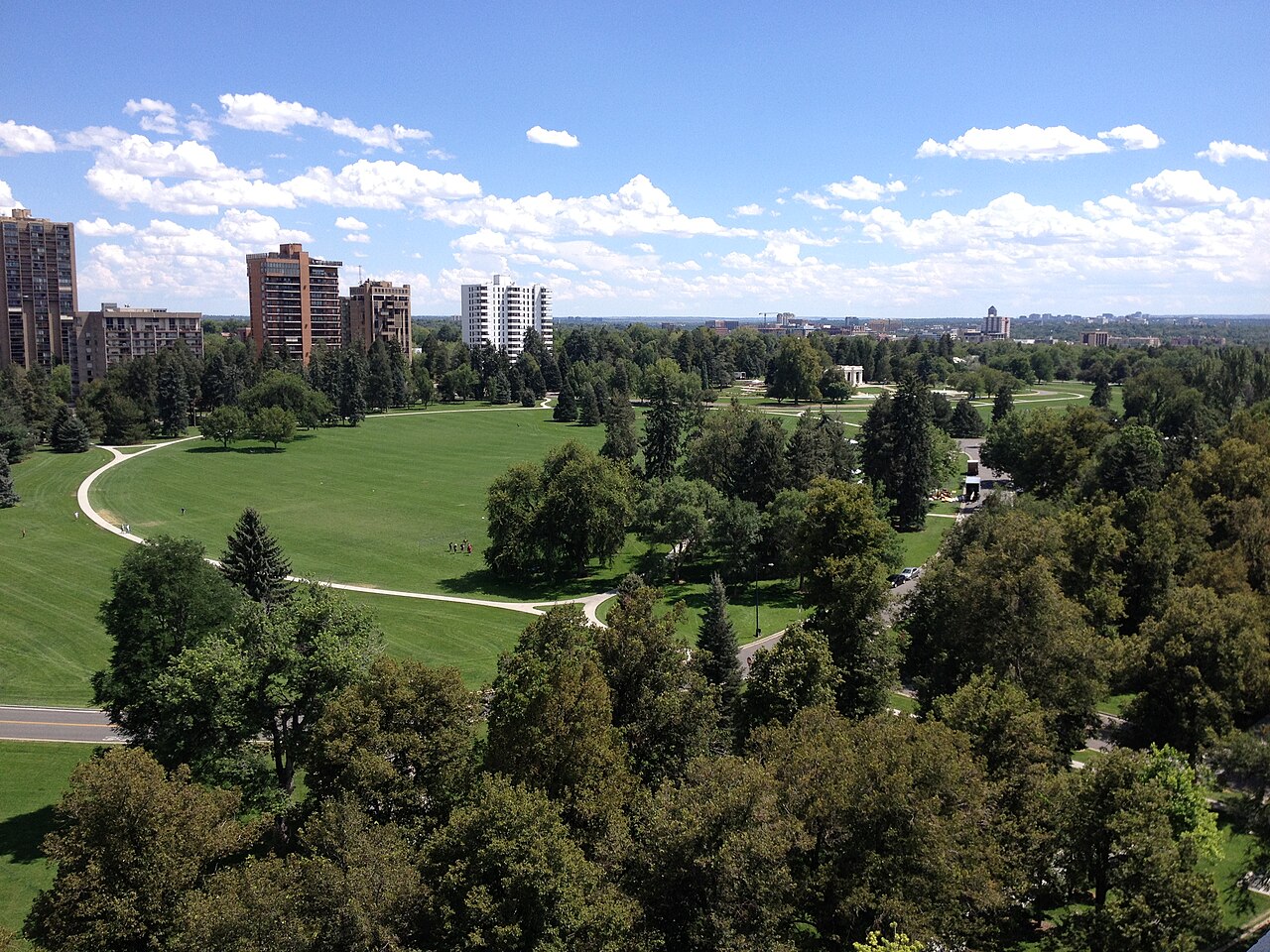
Rewind to 1858. Town founder William Larimer sets aside roughly 320 acres for a cemetery called Mount Prospect, out near what is now Cheesman and Congress parks. The Catholic section was Mount Calvary. That is the ground the Gardens sit on today.
Here is where it goes sideways.
By the early 1890s Denver is growing fast and the city wants that land for a park. So in early 1893 the city hires an undertaker named E.P. McGovern to dig up the remains and move them to Riverside Cemetery. And the city made one spectacularly bad decision. They paid him by the coffin.
You can already see where this is headed. McGovern, getting paid per box, started splitting single bodies into multiple child-sized coffins to run up the count. More coffins, more money. It got grotesque enough that the city shut the whole operation down before he finished.
So they stopped the relocation. And then they told families they had 90 days to come move their own loved ones, on their own dime, or leave them in the ground. A lot of people could not or did not. The estimate today is that somewhere between 2,000 and 3,000 human remains still lie under Cheesman Park. People picnic on that grass. They do yoga on it.
The Catholic part of the story dragged on even longer. The Archdiocese deeded Mount Calvary back to the city in 1950 and moved remains out to Mount Olivet in Wheat Ridge. Except the records are a mess. Some remains were listed as missing. Others turned up later, during construction, which is exactly the kind of sentence you do not want to read about the land under your favorite rose garden.
Horticulture magazine reports that roughly 6,000 remains were pulled out before the Gardens opened. And that several hundred bodies are still estimated to be down there, under the York Street site and the neighboring park.
Several hundred. Still there. Under the tulips.
Look, Denver has no shortage of haunted-house events in October. Fog machines, a guy in a mask with a leaf blower pretending it is a chainsaw. You know the drill. This one is different because the horror is real and documented. The scandal happened. The bodies are counted, or at least estimated. The guards telling you stories clock in at that place every night.
And there is a real estate footnote here, because of course there is. This is some of the most desirable land in central Denver. The homes ringing Cheesman and Congress parks are some of the priciest addresses in the city, and buyers pay a premium for that park view. Most of them have no idea what the park used to be, or what is arguably still under it. The dead got evicted so the living could have green space and a nice place to walk the dog. Very Denver, if you ask me.
So this weekend, go. Walk the dark paths. See the inside of the Waring House while you can. And when a security guard tells you what he heard out there at 2 a.m., remember he is standing on The Boneyard.
Buckle up.