 Revolutionizing · Modernizing · Simplifying
Revolutionizing · Modernizing · Simplifying
Revolutionizing · Modernizing · Simplifying
A 1.5-year-old male black bear climbed a tree near the Harvard Gulch Trail last month, and wildlife officers had to tranquilize it. Think about that for a second. That is deep into the city. Platt Park. Harvard Gulch. We are talking dense Denver neighborhoods, not the foothills.
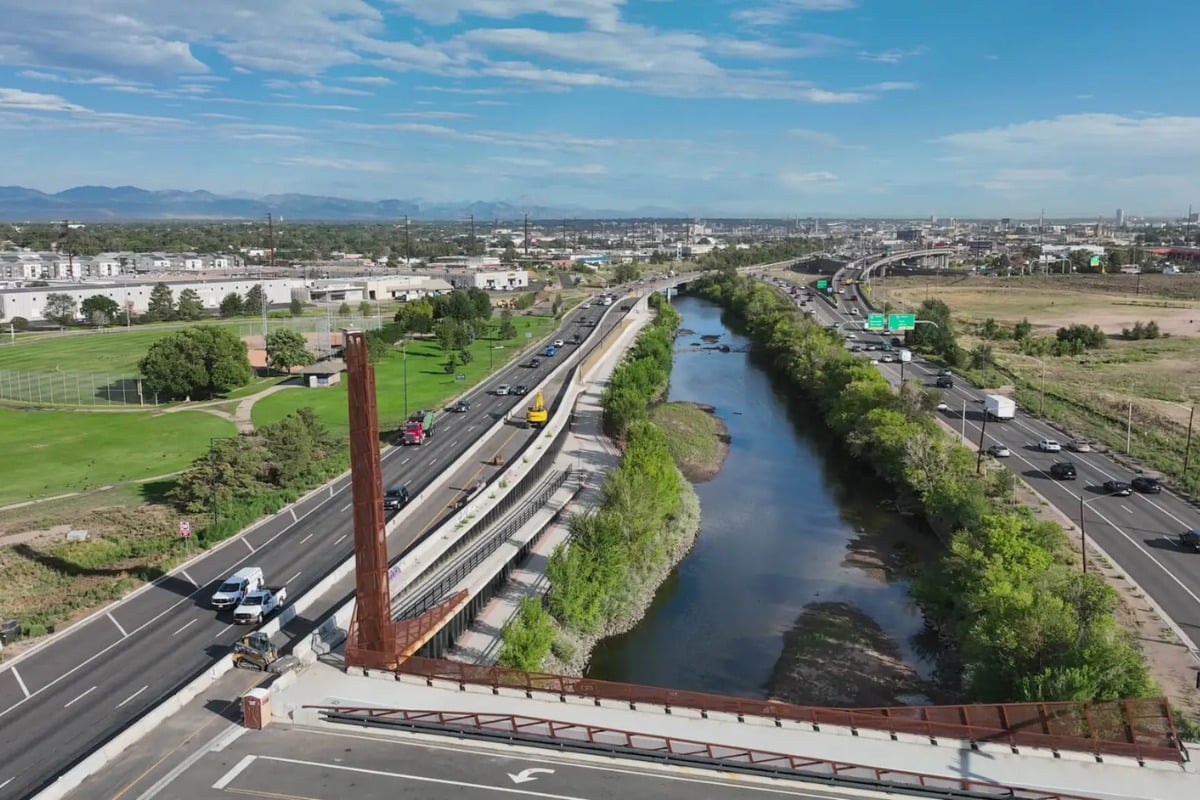
Here is the part people miss. That bear did not wander in by accident. It followed the South Platte River corridor, which Colorado Parks and Wildlife calls a critical greenway, letting black bears travel undetected up to 15 miles from foothill habitat straight into the core of the city. The same ribbon of green you ride your bike on is a wildlife highway.
And a big chunk of that ribbon just came back to life.
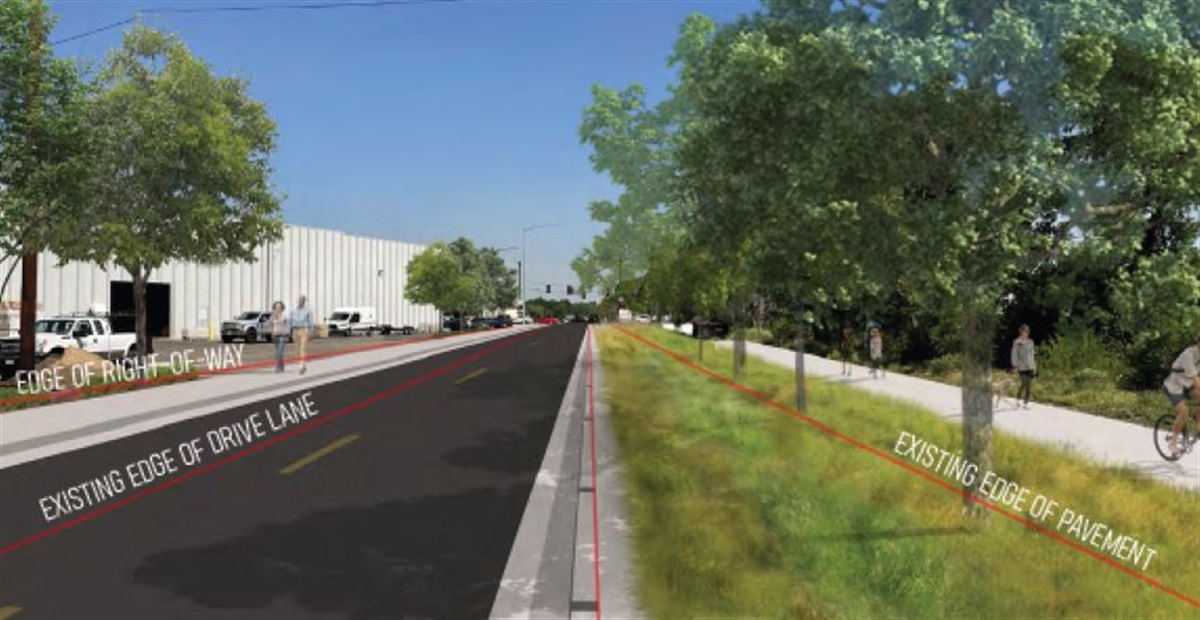
A stretch of the South Platte River Trail has reopened after being shut down since 2020. The reason it closed in the first place? A timber retaining wall, built roughly 50 years ago, that finally gave out from plain old wear and tear. The Denver Post reported it started to fail, and the city had no choice but to close the section.
If you were riding through here during those six years, you know the detour. Cyclists got rerouted onto Jason Street, and eventually the city added bike lanes over there just to handle the traffic the trail was no longer carrying. It worked, sort of. But it was not the river. It was a workaround, and everybody knew it.
The $7 million project that just wrapped shored up and widened the bike path and replaced that crumbling timber wall with a new concrete one. Adam Lind, Denver's trails planning manager, described the finished work as a beautiful new concrete retaining wall. He also called it, and I love this honesty, everybody's least favorite construction project of the last decade.
I mean, six years. He is not wrong.
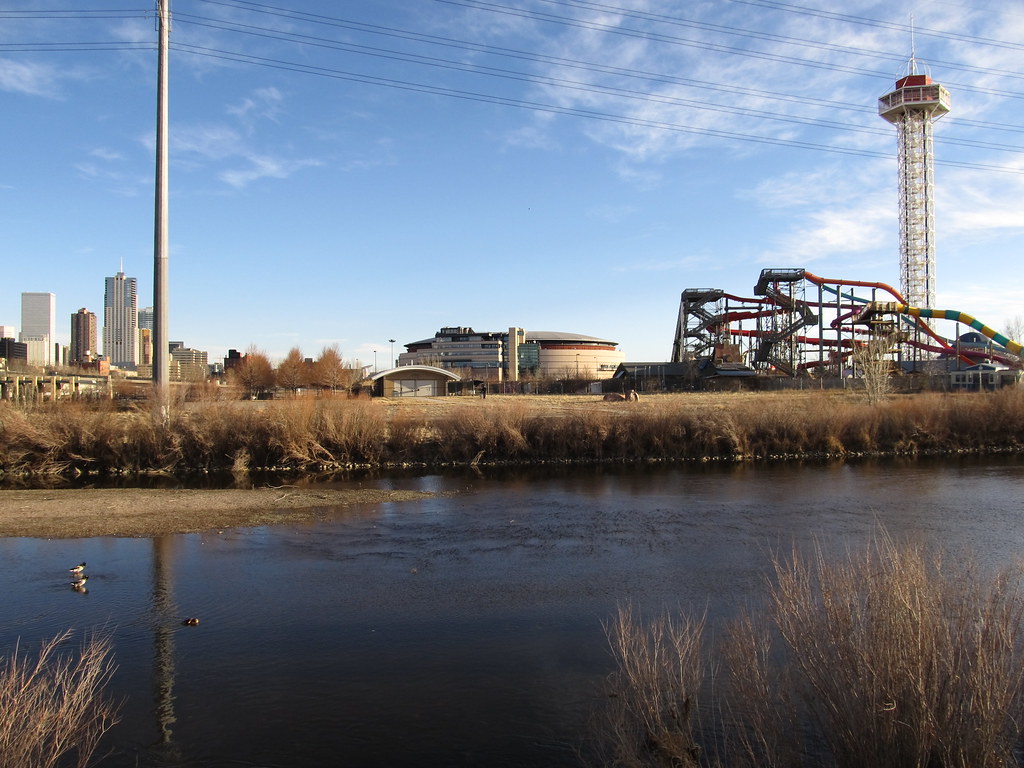
Here is the thing though. Do not get too comfortable. This one stretch is a single piece of something much bigger.
Denver Parks & Recreation is putting about $35 million into South Platte River Trail projects overall. It is a 13-segment master effort running from Carpio-Sanguinette Park near 53rd Avenue up in northern Denver all the way south to the Dartmouth Avenue city border, with phases coordinated through 2030. So if you use this trail, and a lot of you do, this is going to be your reality for a while.
Phase 1 of the improvements kicked off in September 2025 after some delays tied to permitting, design and approval issues. The current work adds up to 12 feet of concrete plus 4 feet of crusher fines, and once it is done the trail will run 12 to 16 feet wide to hit regional trail standards. That is a real upgrade from the pinched, aging path a lot of us have been dodging joggers on for years.
Full buildout of the whole corridor is not expected until late 2028 or early 2029. So pace yourself.
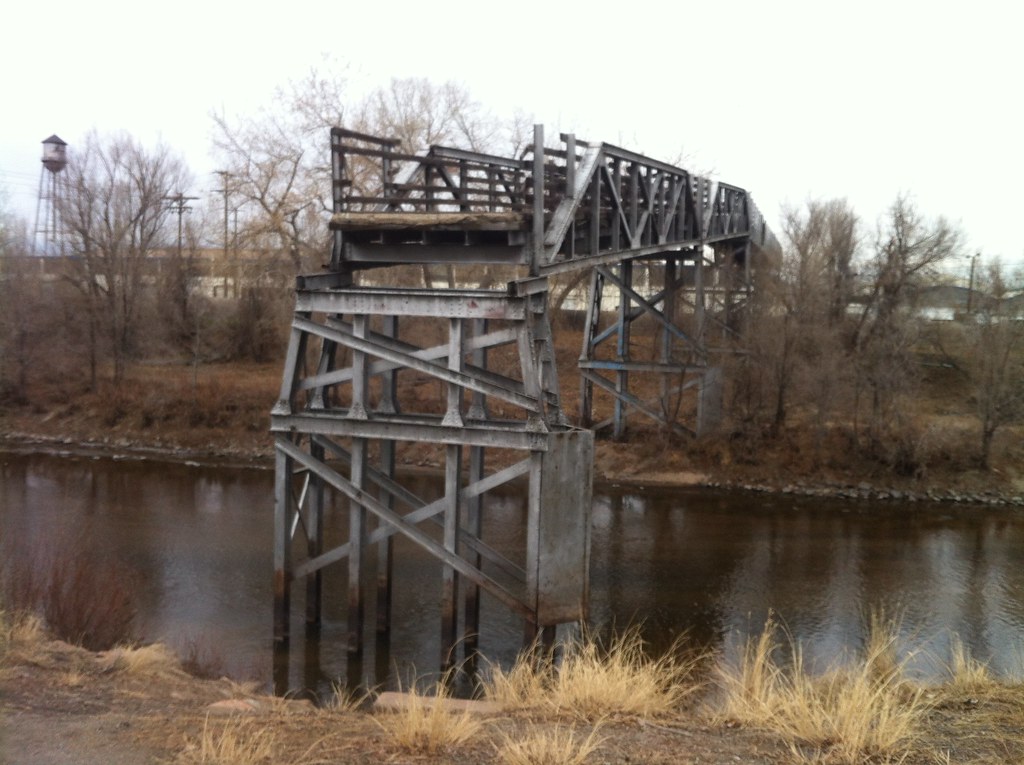
Now, $35 million is real money, and it did not appear out of nowhere. This traces back to Ballot Measure 2A, the 0.25% dedicated parks and open space sales tax Denver voters approved back in November 2018. That created the Parks Legacy Fund. So every one of you who voted yes on that, this is what you bought. Concrete walls and wider trails and, eventually, a greenway that actually holds up.
One of the next big pieces is a
Look, I am going to say the quiet part. A greenway like this is not just a nice-to-have. Trail access is one of those amenities that quietly shapes where people want to live and what they will pay to be near it. When a beloved segment is closed for six years, that is a gap in the neighborhood. When it reopens wider and rebuilt to last, that is a win for every block that touches it, from the industrial edges up north to Platt Park down south.
And the bear thing is not a throwaway detail. It is the whole point. This corridor is doing double duty. It moves people, and it moves wildlife, sometimes a little too well right into somebody's backyard tree. That tension between recreation and habitat is baked into what Denver is building here.
So the short version. One stretch is back after the least popular construction project of the decade. The concrete is beautiful, per the city. And there is a lot more coming through 2030. Buckle up, because Denver's spine of a greenway is getting rebuilt one segment at a time, and you are going to be riding through cones for a few more years.
Worth it, if you ask me.