 Revolutionizing · Modernizing · Simplifying
Revolutionizing · Modernizing · Simplifying
Revolutionizing · Modernizing · Simplifying
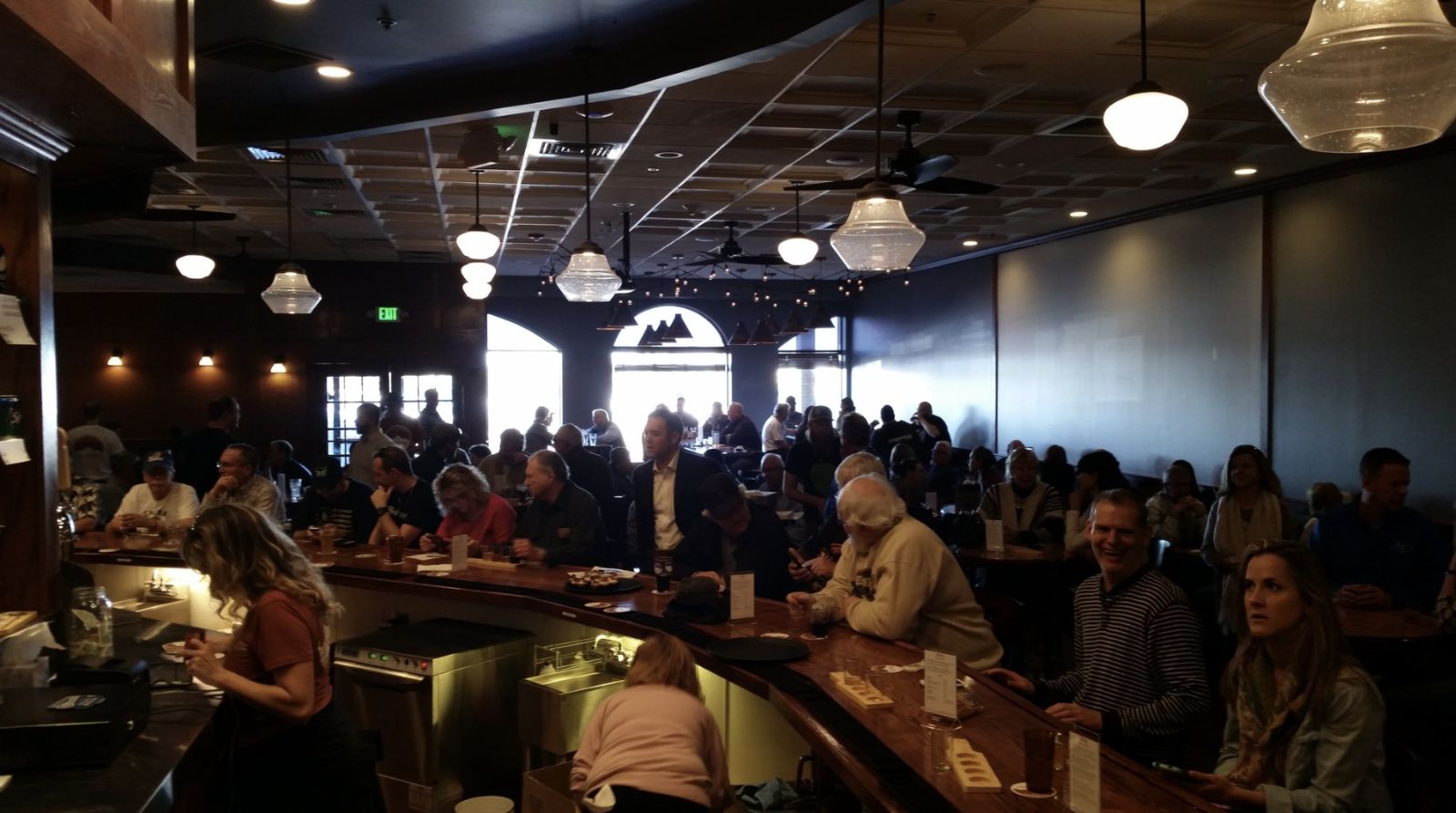
Walk into a taproom in Denver right now and it feels fine. Busy, even. Good music, good light, somebody's dog under the table. But the numbers behind that scene tell a different story.
Thirty-three unique breweries closed in Colorado in 2025. Forty-four taproom locations total, when you count all the second and third spots that went dark. The Colorado Brewers Guild confirmed it. The excise tax data backed it up. Beer sales in Colorado dropped about 6% between 2024 and 2025.
So what is actually going on here?
The Brewers Association put out new data showing overall U.S. beer production dropped 5.7% in 2025. Colorado was an outlier, with craft beer production up nearly 10% in the same period. That sounds like good news. Katie Nicholson, who owns Old 121 Brewhouse in Lakewood and sits as vice chair of the Colorado Brewers Guild board, explained what that production bump actually means.
"We're still not seeing that growth in beer sales in Colorado," Nicholson said. "So we are happy, but we're not jumping for joy quite yet."
The production increase is mostly larger breweries shipping more beer out of state. If your brewery has distribution muscle, that helps you. If you are a small taproom in Crestone or Georgetown or Centennial selling pints across your own bar, that number does nothing for you. You live or die on local foot traffic.
And the number of operating breweries in Colorado fell from 456 in 2024 to 423 in 2025. The Guild says more closures are likely coming.
Three things are pushing on this industry at the same time right now.
First, fewer people drink beer than they used to. That is not a Colorado problem, that is a generational shift. Younger adults are drinking less overall, and when they do drink, they have more options than any generation before them. Hard seltzers, canned cocktails, non-alcoholic options, premium spirits. The craft beer boom of the 2010s happened in a different consumer landscape.
Second, the economy is squeezing the middle. Running a taproom means rent, equipment, staff, ingredients, and utilities, all of which cost significantly more than they did five years ago. Sales are flat or declining. The math on a small taproom gets brutal fast, especially if you are locked into a lease that made sense in 2019.
Third, and this one matters for the Front Range specifically, high costs are not spread evenly. A brewery in an expensive Denver neighborhood is fighting a different battle than one in a mountain town. But the mountain towns have their own problem. Seasonal traffic, thin year-round population, and the brutal reality that being a destination spot only works when people are actually coming.
"Data is showing us we might have seen a leveling out of that downward trend," Nicholson said. So there may be a floor here. But that floor was reached after a lot of damage was done.
This is the part people miss when they see a closure statistic. These were not abstract businesses. These were people.
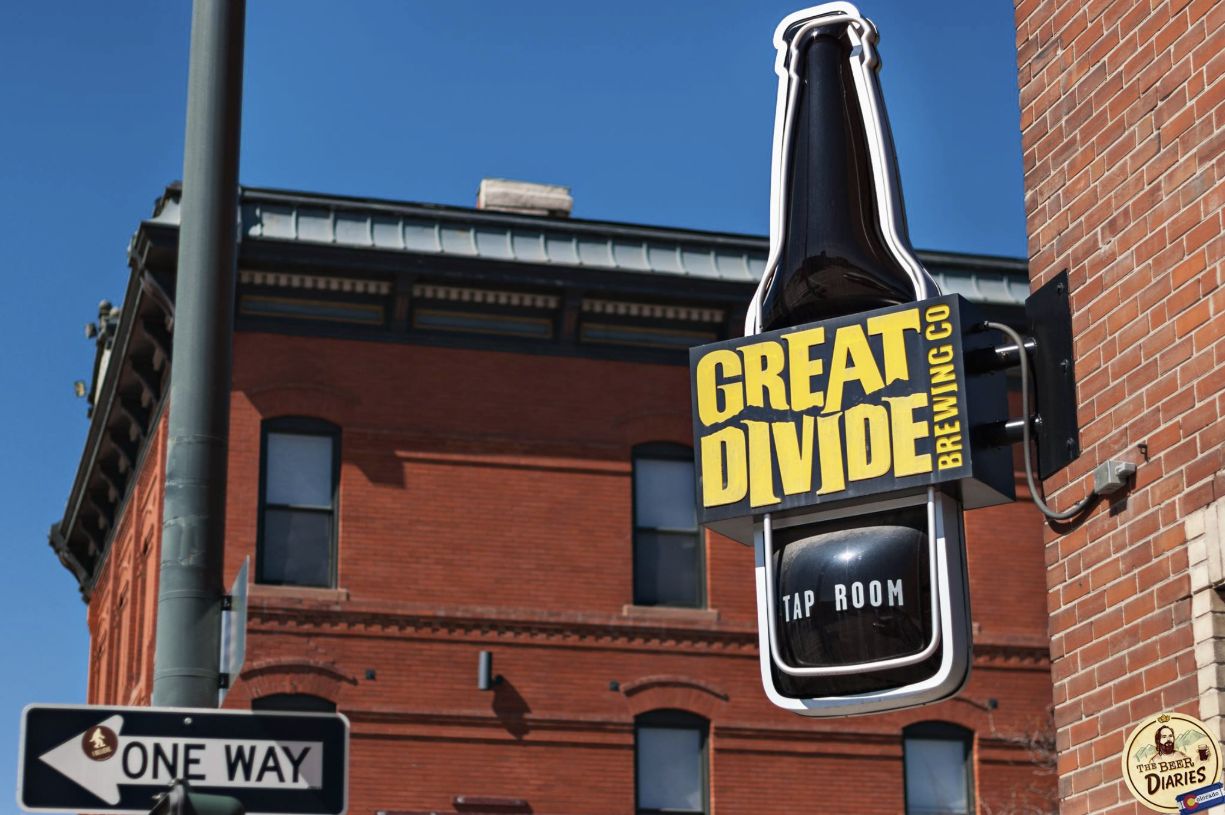
Blue Moon's big brew pub in Denver closed in March after Molson Coors divested much of their craft portfolio. (The original Sandlot location at Coors Field still pours on Rockies game days, for the record.) Great Divide, which opened in 1994 and was one of the foundational names in Denver craft beer, closed their original downtown location and the Barrel Bar in RiNo in June after being acquired by Wilding Brands. Funkwerks in Fort Collins, 15 years of award-winning saisons and sours, gone as part of the same Wilding Brands reshuffling.
Wilding Brands shows up in this story more than once. They also closed the Cerveceria Colorado taproom on Denver Beer Company's side, converting it to an event space called The Outpost. The !Venga lager is still on shelves, but the taproom is gone.
Then there are the independent stories that hit harder.
Burns Family Artisan Ales in Denver closed May 31. Wayne and Laura Burns built one of the most decorated small breweries in the state, sitting fourth-highest rated in Colorado, consistently top ten nationally for their Solar Eclipse barrel-aged series. Wayne had won four medals at the Great American Beer Festival for one recipe alone. Their closing statement was blunt and honest. "The taproom was full only on the rarest of occasions. We needed more patrons." They were not apologetic about it, they were just direct. "It is not OUR fault. It's just the way business can be."
Halfpenny Brewing in Centennial ran almost ten years. Their goodbye letter talked about first introductions that turned into lasting friendships, about weddings and graduations and retirements. "We hope that all of you have your own special recollections of your time here." That is a neighborhood brewery letter, the kind that only gets written when a place actually meant something.
Sanitas Brewing, which had grown to three locations in Boulder, Englewood, and Lafayette, closed all of them by December 20. "It is no secret that the state of the craft beer industry is proving to be difficult to sustain a business in and Sanitas is facing that reality too." Three locations in three communities, all dark before Christmas.
Guanella Pass Brewing was the first brewery in Georgetown. Full stop. They opened in 2017, gave I-70 travelers a real reason to pull off, and closed February 2. Over Yonder in Golden, the closest brewery to Red Rocks, closed in July. Their final beer was named "This Has All Been Wonderful, But Now We're On Our Way Amber." If that does not get you a little bit, I do not know what will.
Trinity Brewing in Colorado Springs had been pouring since 2008. Call To Arms in Berkeley ran a decade. Raices Brewing, which opened in Denver in 2019 and built a genuine cultural community space, said goodbye in October. "It is with the heaviest of hearts that we must say adiós. We tried to hang in there as long as we could, for you, our employees, partners and everyone in between, and for La Cultura."
And then there is the one that had nothing to do with economics. Very Nice Brewing in Nederland burned to the ground in October. No warning, no slow decline, just gone overnight. Their Gilpin County location is still open, but the original spot and thirteen years of history in Nederland are ash.
Here is the thing Nicholson said that actually matters. The production increase and the sales decline could mean the industry is finding a new baseline. Not growing, not collapsing the way it was, just stabilizing at a smaller size. "When one goes up, hopefully the other one will go up," she said.
There were 24 new brewery openings in Colorado in 2025. So people are still betting on this. Old 121 Brewhouse, Nicholson's own spot, moved into the former Great Frontier Brewing space in Lakewood. Mainstage Brewing took over Beyond The Mountain's location in Gunbarrel after Chuck and Morgan closed their doors in April. Someplace Else absorbed the Mother Tucker locations in Thornton and Louisville. The industry is consolidating and reshuffling more than it is dying.
But the closures in 2025 were not just small operations that never found their footing. Burns Family had medals. Halfpenny had nearly a decade of community. Great Divide had 31 years. These were not failures of quality. They were failures of enough people walking through the door often enough to make the math work.
That is a different problem, and it does not have an easy fix.