 Revolutionizing · Modernizing · Simplifying
Revolutionizing · Modernizing · Simplifying
Revolutionizing · Modernizing · Simplifying
An 80-year-old woman in Estes Park is asleep in her own house. It is late August. A bear climbs through a closed, unlocked first-floor window, works its way up to her second-floor kitchen, and when she gets in its way it knocks her down and scratches her stomach.
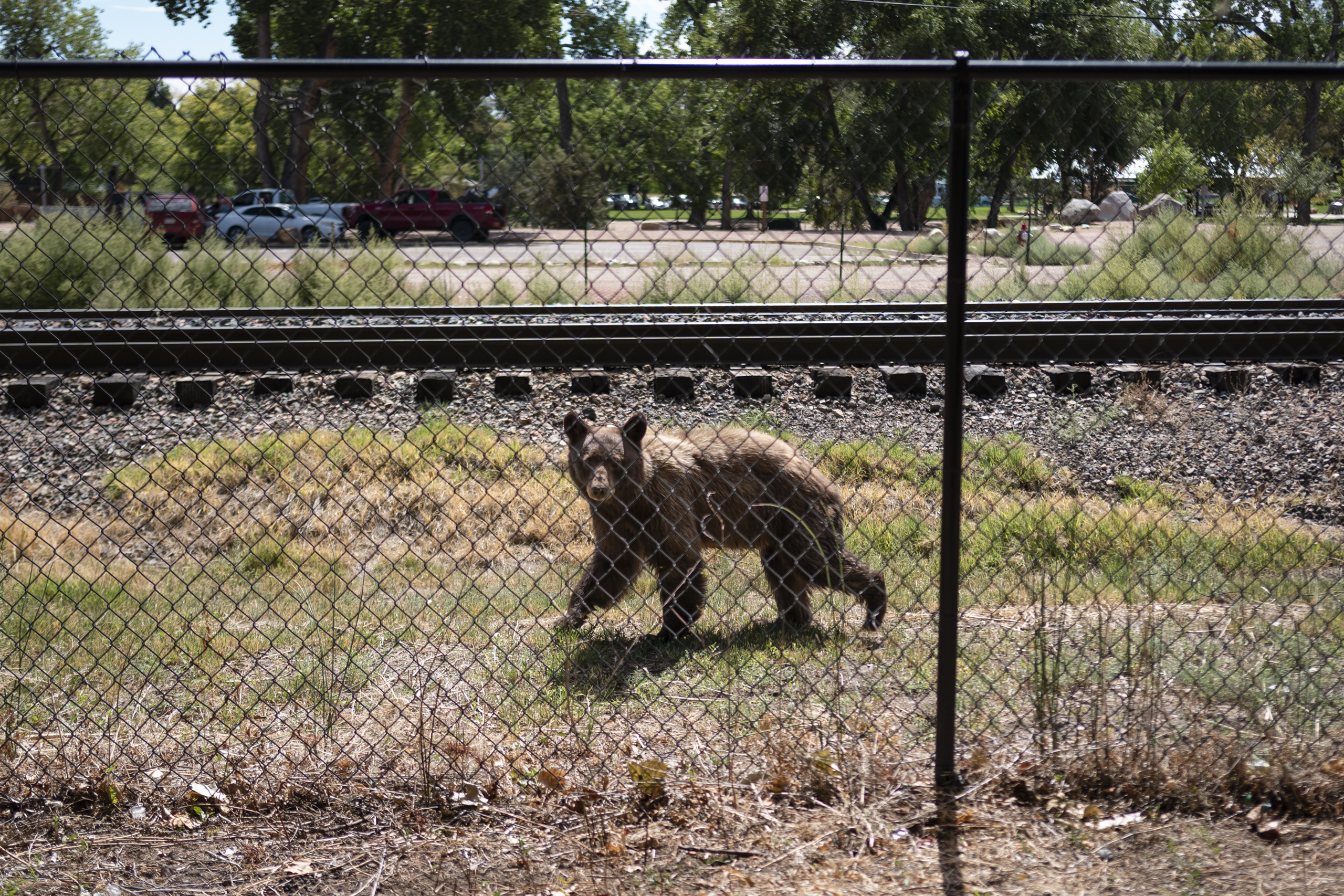
She is recovering. But sit with that for a second. A bear inside a home, upstairs, in the kitchen, in one of the most touristy mountain towns in the state.
That was Aug. 27. And here is the thing. It was not a one-off.
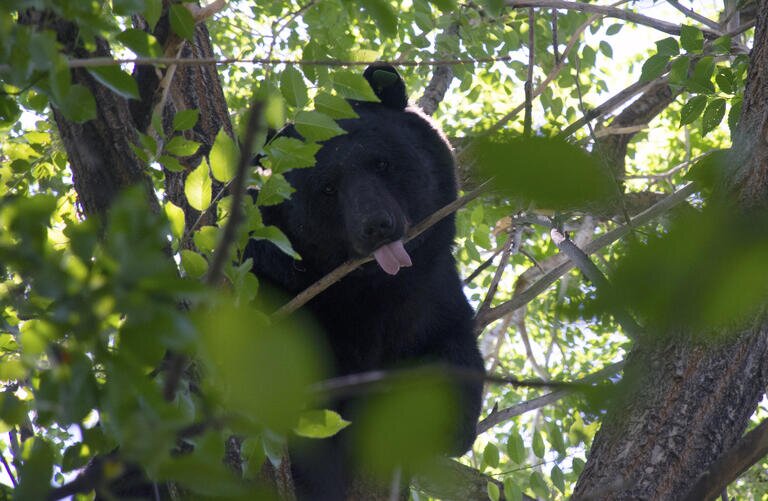
From Jan. 1 through Aug. 31, 2026, Colorado Parks and Wildlife euthanized 294 black bears. Over that same stretch last year, the number was 83.
That is not a bump. That is nearly triple.
CPW put the preliminary figures out in a Sept. 3 news release, which is early. They usually wait for the annual report. But they said the public has expressed strong interest, and the Coloradoan reported the agency actually declined to release the euthanasia figures at first, until media pressure pushed them into it. Read that how you want.
Relocations tell the same story. CPW moved 98 bears through the end of August, up from 33 a year ago. And the sighting reports are the part that really lands. 8,672 reports of bear sightings and incidents through Aug. 31. Last year it was 3,680. That is more than three times the five-year average.
Break it down and it is ugly across the board. Incidents running 3.6 times the 2020 to 2025 average. Relocations up 3.5 times. Euthanizations up 2.7 times. A CPW officer named John Livingston called 2026 an "anomaly," and said bears breaking into homes cross "a line we just can't have bears crossing."
Food. Or the lack of it.
Colorado's had drought, wildfire, and historically low snowpack, and all three gutted the berry and acorn crops that black bears live on. Now here is the part most people miss. A bear in fall is not casually snacking. This is hyperphagia, the pre-hibernation binge, and a bear needs roughly 20,000 calories a day to pack on enough fat to survive winter.
Twenty thousand calories. Off berries and acorns that mostly did not grow this year.
So the bear does the math a hungry animal always does. It goes where the calories are. And the calories are in our trash cans, our bird feeders, our unlocked kitchen windows, our garages. There are an estimated 20,000 black bears in Colorado, and the northwest region is still the leading source of conflict reports, but this is not staying in the high country.
Aug. 13, CPW responded to a bear near Dunn Elementary in Fort Collins. Last month a mother bear and cub just settled into a tree in Denver's Harvey Park. That is Denver proper. That is a neighborhood with sidewalks and a home price sheet, not a wilderness area.
There have been seven bear attacks on people in Colorado in 2026. The five-year average is three a year. We are more than double, with months still left on the calendar.
And some of these are genuinely rough to read. In August, CPW euthanized a subadult female bear, only 50 to 60 pounds, after it attacked and injured an angler in his 60s near the North Fork trail parking lot in Jefferson County. Around 8 p.m. And here is the detail that gets me. The man was not even carrying fish. There was no bait, no obvious lure. The bear was just that desperate.
That is what starvation looks like. A 55-pound animal going after a grown man for nothing.
CPW relocates or euthanizes bears that have attacked people, broken into homes or structures, are in poor health, or got hit by a car. On paper it is clean. In practice it means an agency is putting down nearly 300 animals in eight months because those animals did the one thing evolution built them to do, which is find food.
Cassandre Venumière-Lefebvre, a PhD candidate at Colorado State studying human and black bear coexistence in Colorado, has been looking at exactly this surge. And the honest takeaway is that this is not really a bear problem. It is a coexistence problem. The bears are responding to a broken food year. We are the constant in the equation.
Which puts it back on us. Bear-resistant trash. Feeders down in the fall. Windows and garage doors actually closed, not just shut. Boring stuff. But it is the difference between a bear that moves on and a bear that ends up as a statistic in next year's report.
I think about this every time somebody tells me they want mountain-town life, a place up the canyon, that Estes or Evergreen or Nederland dream. It is a real and beautiful way to live. It also comes with a set of rules the Front Range flatlands do not have, and a drought year like this one is when those rules stop being suggestions.
294 bears. Livingston called it an anomaly, and I hope to God he is right. Because if a drought-starved fall is the new normal, the reckoning is not the bears'. It is ours.