 Revolutionizing · Modernizing · Simplifying
Revolutionizing · Modernizing · Simplifying
Revolutionizing · Modernizing · Simplifying
Imagine standing in a narrow mountain gulch in the spring of 1859. The snow is still on the peaks above you, the air smells like pine and cold creek water, and the ground beneath your feet is about to change everything. Within weeks, this quiet crease in the Rocky Mountains — just 35 miles west of where Denver now sprawls — would become one of the most frenzied, consequential pieces of real estate in American history.
They called it the richest square mile on Earth.
They weren't exaggerating.
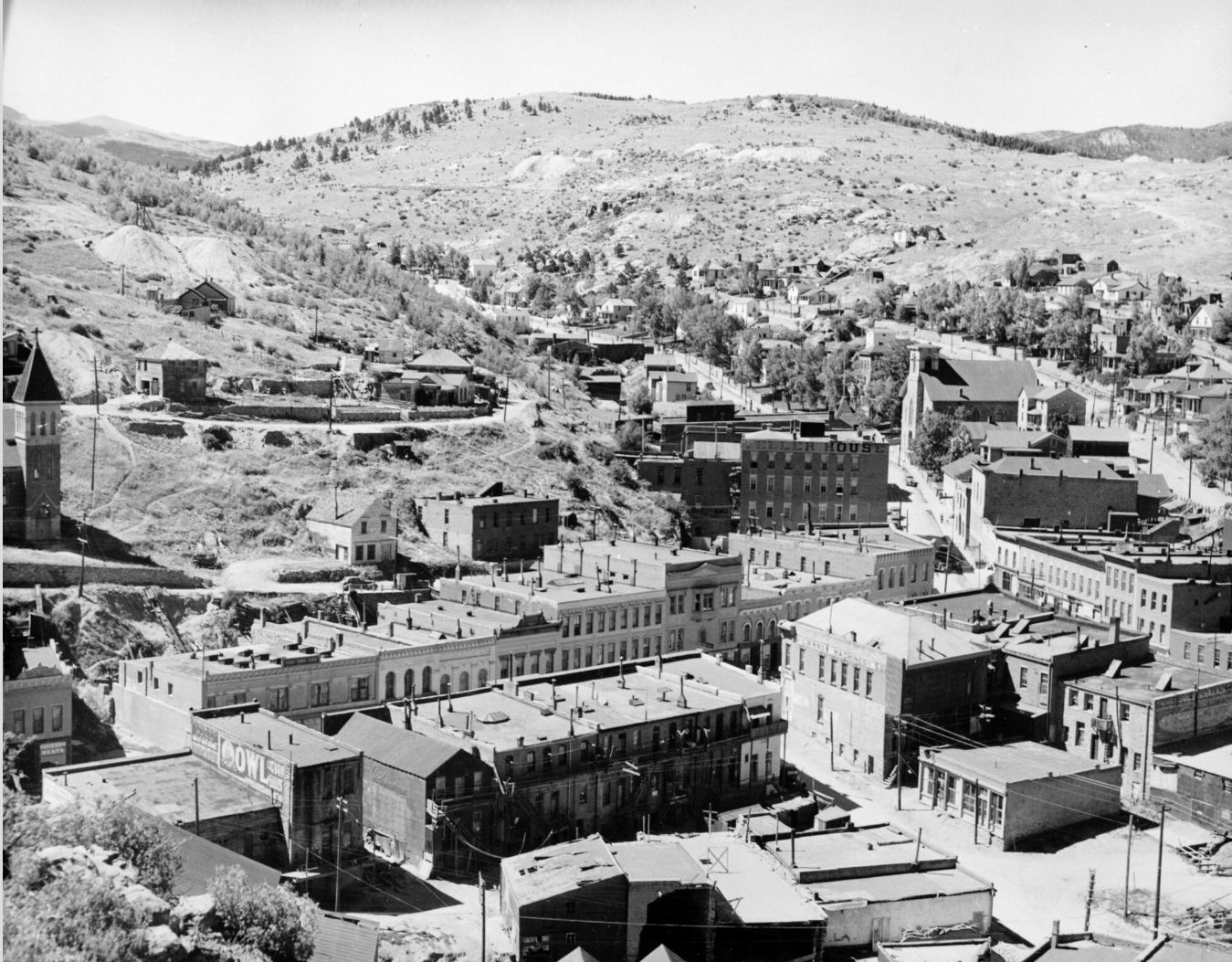
Central City, Colorado doesn't look like a place that once held the weight of an entire nation's gold fever. The streets are steep and narrow, the buildings are brick and Victorian, and on most weekday afternoons, the quiet is almost eerie. But walk slowly enough, look closely enough, and the ghosts of 10,000 ambitions start to surface — in the ornate cornices of preserved storefronts, in the opera house that somehow still hosts world-class performances, in the mines that honeycombed the hillsides so thoroughly the ground itself became unstable. This town didn't just boom. It erupted. And understanding what happened here is understanding how Colorado was built from scratch, in real time, by people who had absolutely nothing to lose.
On May 6, 1859, a Georgia prospector named John Gregory panned a placer deposit in a small gulch off North Clear Creek and found something that made his hands shake. The lode he'd discovered — later named the Gregory Lode — would prove to be one of the richest gold-bearing veins ever found in North America. Word traveled with the speed that only desperation can produce. Within months, an estimated 100,000 people had streamed toward the Rocky Mountains in what became known as the Pikes Peak Gold Rush, though the actual strikes were nowhere near Pikes Peak. The slogan "Pikes Peak or Bust" was everywhere. So was the bust — for most of them.
But in Gregory Gulch, the gold was real.
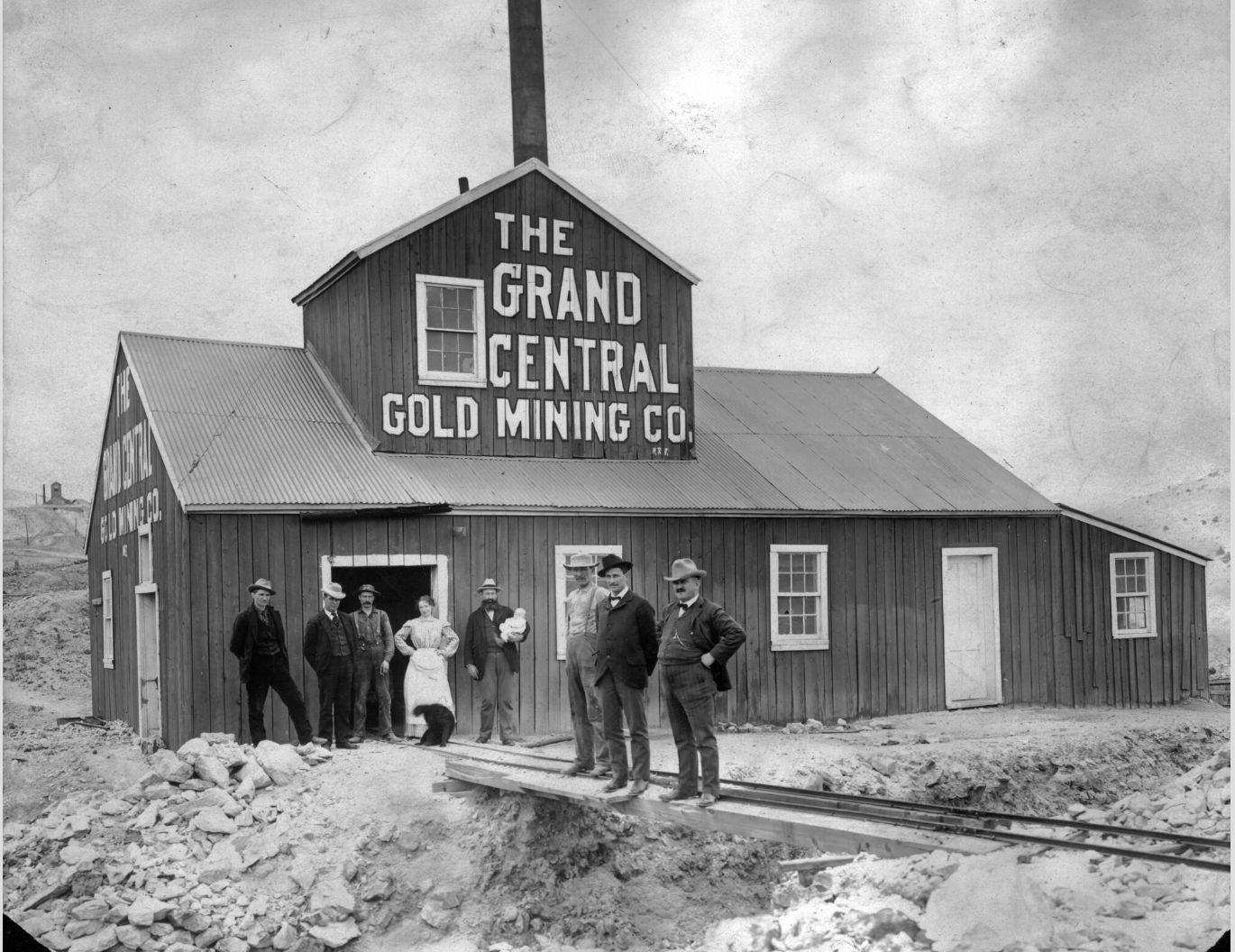
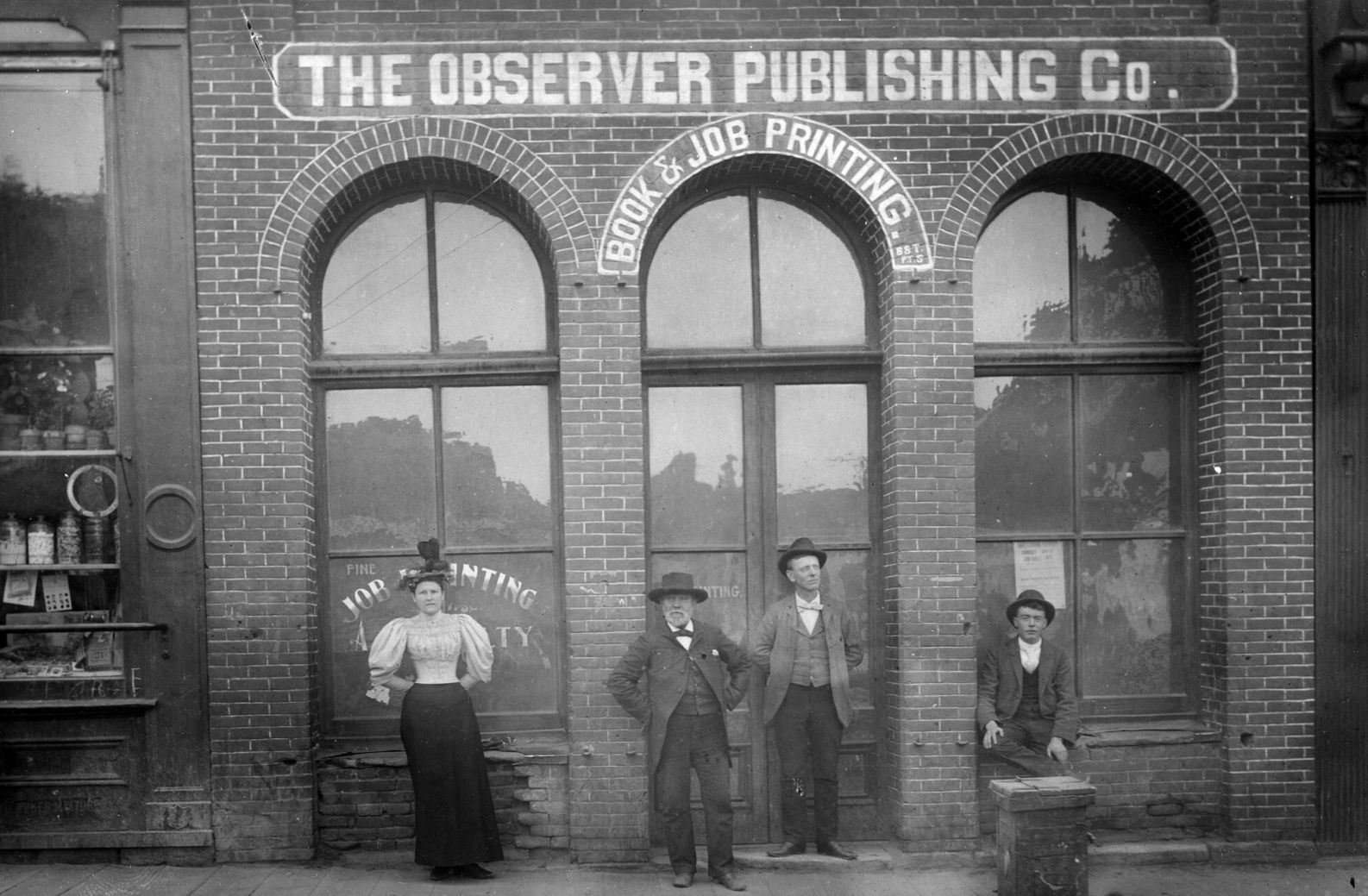
By the summer of 1859, what had been empty wilderness was a city of canvas and timber and noise. Men came from Missouri, from Georgia, from the failing farms of the Midwest, from immigrant ships still docked in New York. They came from everywhere because everywhere else had stopped working for them. Central City didn't just attract miners — it attracted everyone who understood that where there are miners, there is money to be made. Merchants, lawyers, doctors, saloon keepers, bankers, and yes, gamblers and con men — all of them followed the ore.
Within just a few years, Central City had grown from a mining camp into a legitimate city, complete with newspapers, schools, churches, and a social scene that would have surprised anyone who pictured a rough frontier outpost. The Rocky Mountain News — founded by William Byers in 1859 — sent correspondents to cover the town. Horace Greeley, the famous newspaper editor, visited Gregory Gulch in June of 1859 and famously wrote about what he saw, helping broadcast the strikes to an eastern audience already desperate for good news.
Colorado Territory was officially created in 1861, and Central City was one of the reasons why. The gold coming out of Gilpin County made the case for permanent governance, permanent infrastructure, permanent ambition.
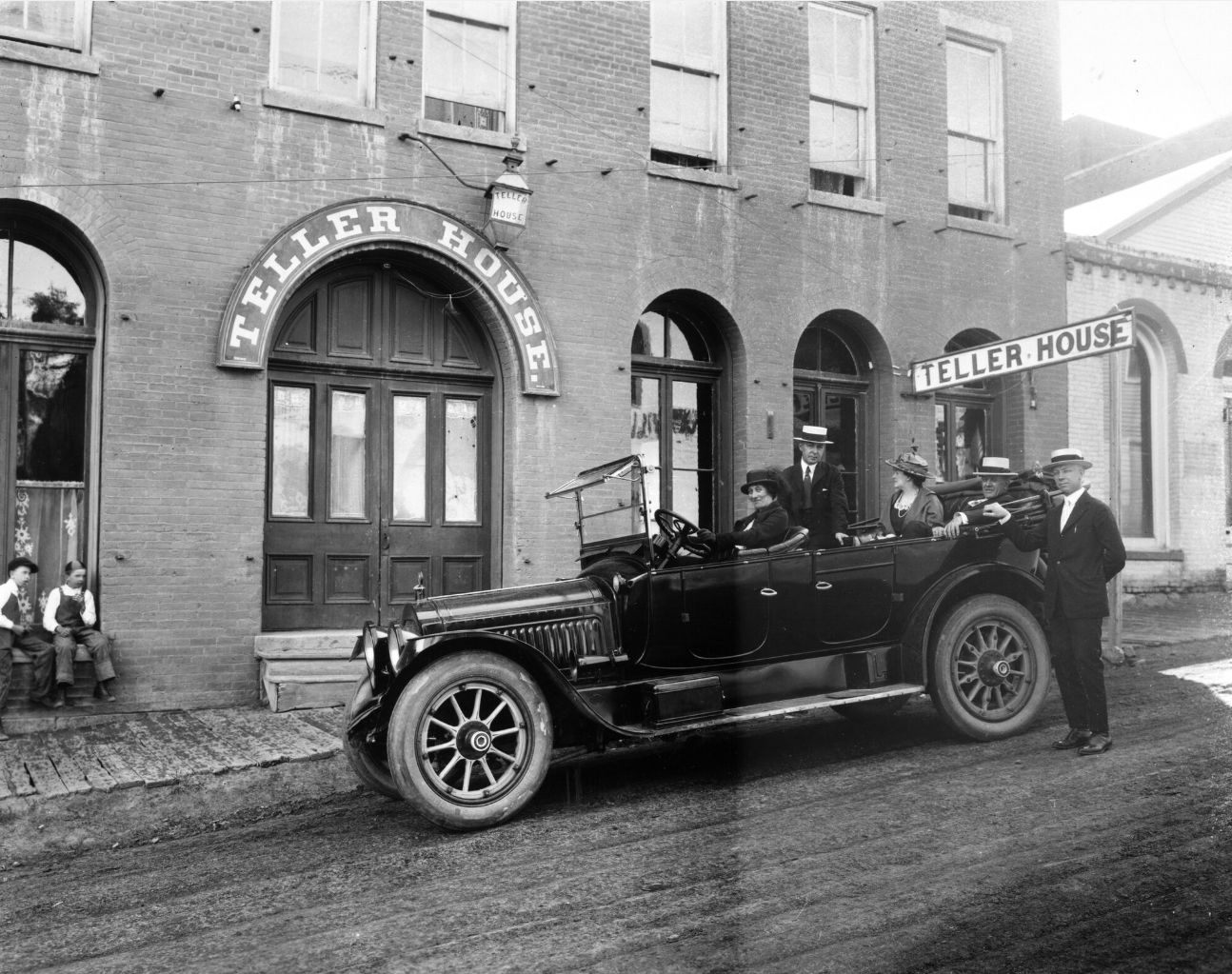
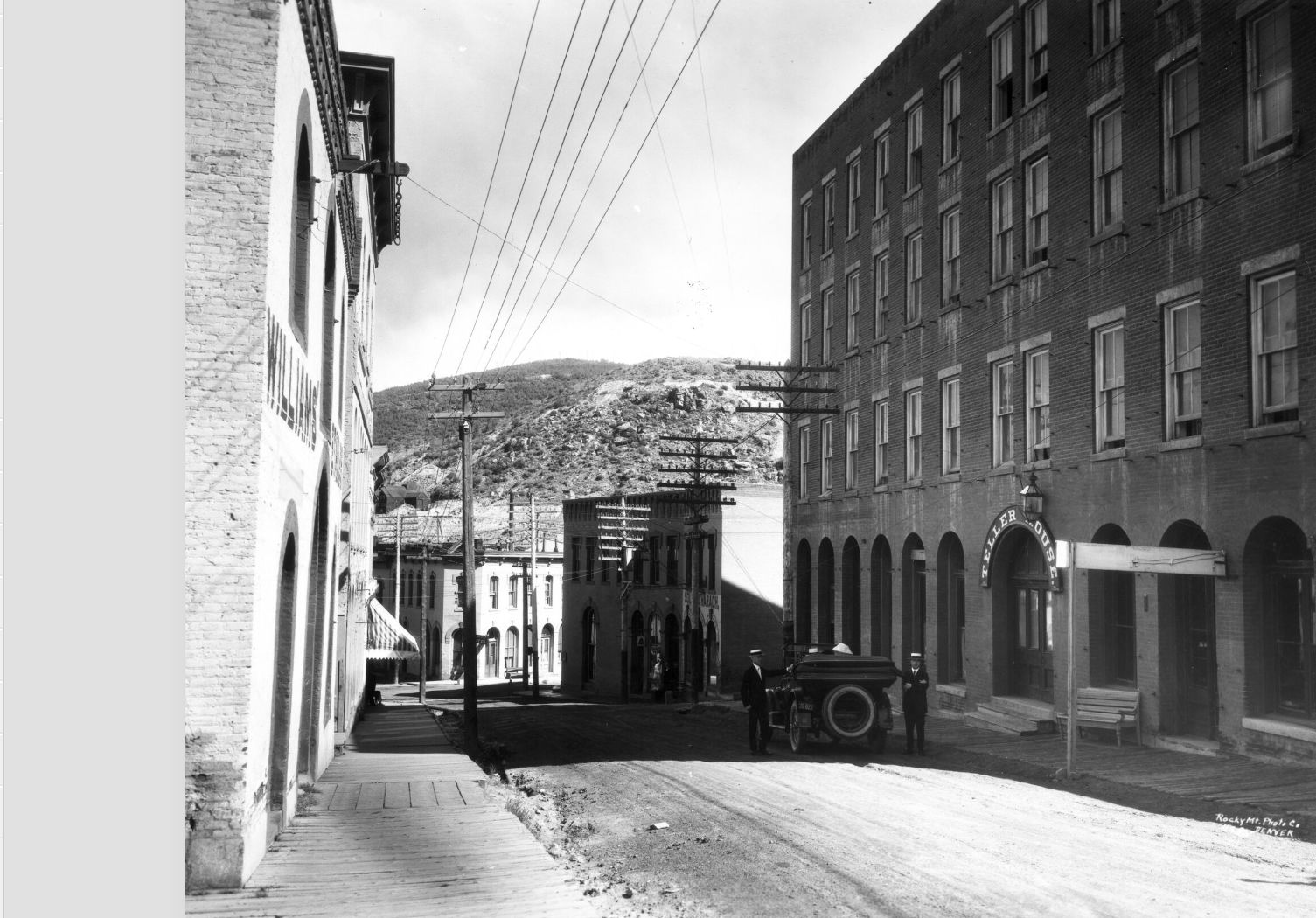
If you want to understand the audacity of the people who built Central City, start at the Teller House. Opened in 1872, it was the finest hotel between Chicago and San Francisco — a claim that sounds like frontier braggadocio until you see the place. The Teller House is a four-story brick building on Eureka Street with high ceilings, ornate woodwork, and a lobby that communicates, above all else, that the people who built this were not planning to leave.
Henry Teller, for whom the hotel was named, was a Colorado attorney and politician who would go on to serve as U.S. Senator and Secretary of the Interior. He represented exactly the class of person Central City attracted — not just the rough-handed miner, but the educated, ambitious professional who saw in this mountain town the possibility of a real future. Teller House hosted Ulysses S. Grant in 1873, and according to local legend, silver bricks were laid on the sidewalk for Grant to walk on. If that story is even half true, it tells you everything about the mood of this place.
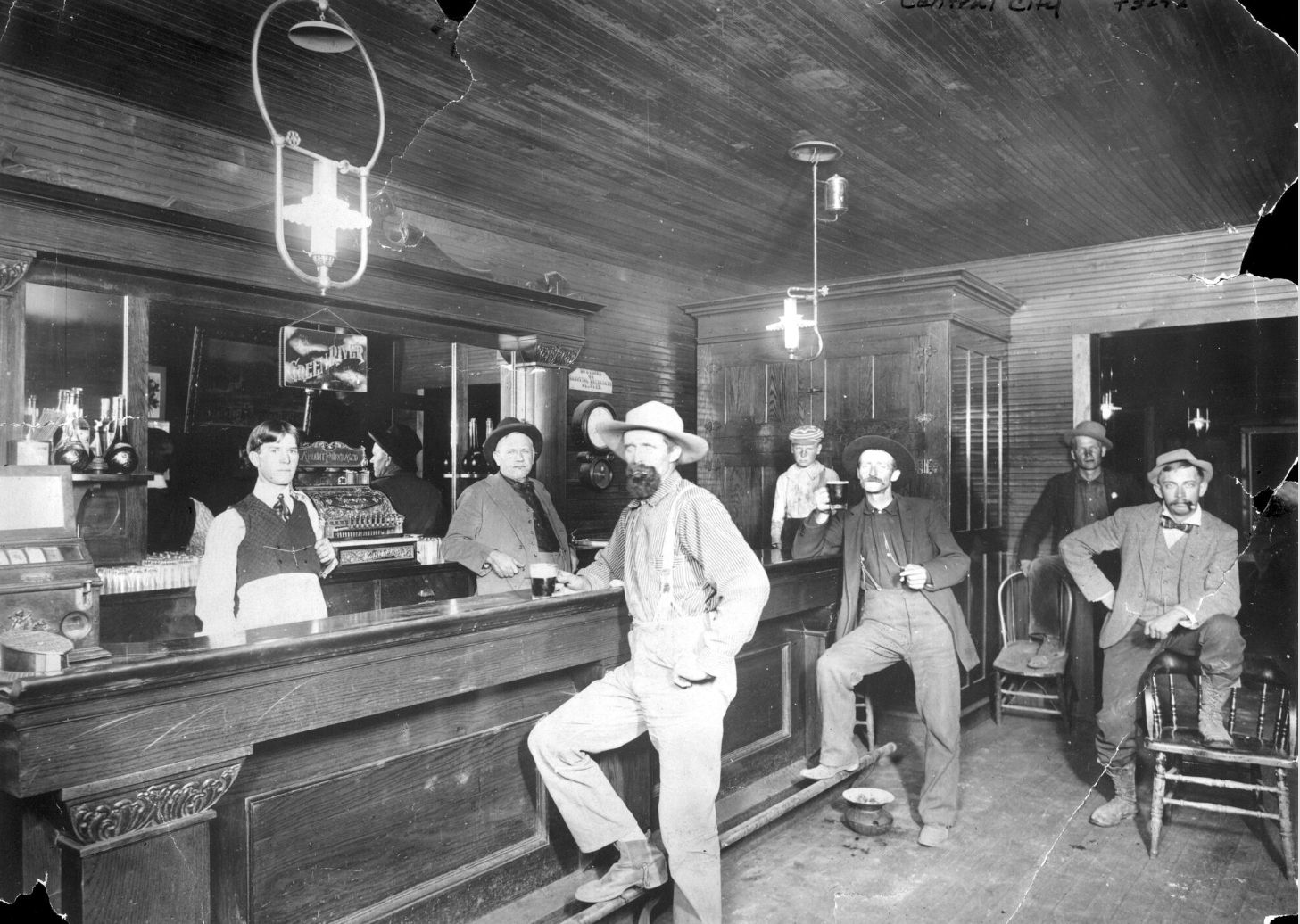
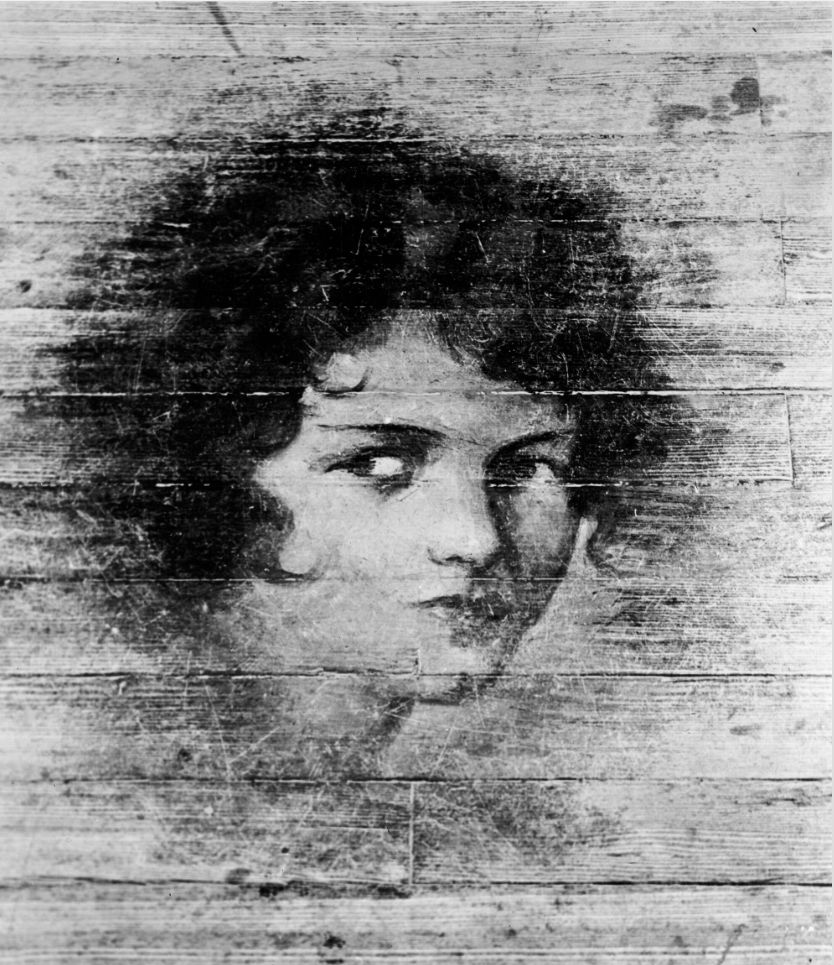
The bar inside the Teller House is where you'll find one of Central City's most beloved and slightly mysterious pieces of art: the Face on the Barroom Floor. Painted in 1936 by Herndon Davis, a Denver artist, the image is based on a poem by Hugh Antoine d'Arcy called "The Face Upon the Floor" — a melodramatic Victorian verse about a broken artist who paints the face of the woman who ruined him. Davis painted the portrait directly on the barroom floor as part of a Central City Opera Festival promotion, and it's been there ever since. Tourists crouch down to photograph it. Locals step around it without looking. It is, in its own strange way, a perfect metaphor for Central City: beautiful, a little tragic, and impossible to ignore.
Central City built its opera house in 1878, during an era when the mines were still producing and the town's appetite for sophistication was real, not performative. The Central City Opera House is a stunning Italianate building that seats around 750 people and has acoustics that, even today, impress professional singers. When it opened, it hosted productions that would have been at home in any major American city — opera, theater, lectures, concerts.
The Opera House is one of the great stories of Colorado preservation. After years of dormancy and decay in the early 20th century, it was restored in the 1930s by a group of preservationists who understood what would be lost if it fell. The Central City Opera has been producing summer festivals continuously since 1932, making it one of the oldest opera festivals in the United States. Young singers come from around the world to perform here; the altitude alone is considered a kind of training. For a town of a few hundred people, hosting a world-class opera festival every summer is the kind of stubborn, improbable defiance that defines Colorado's mountain communities.
Here's what most people miss about Central City's gold rush era: the real money wasn't always underground.
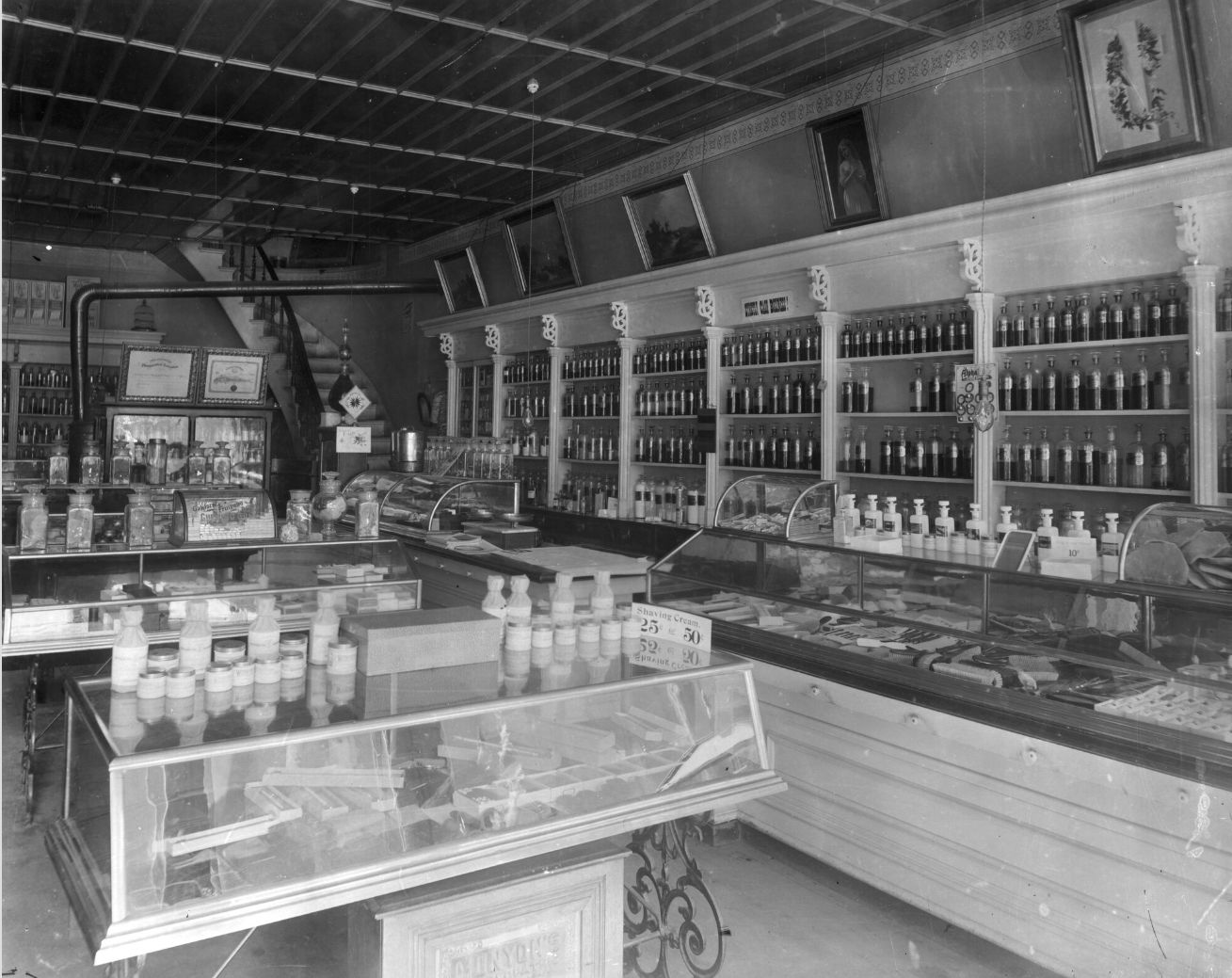
Yes, mining produced extraordinary wealth for those who owned productive claims. But the economy that grew up around the mines was just as consequential. Merchants made fortunes selling goods to miners at mountain-town markups. Freighters and mule skinners charged premium rates to haul supplies up from Denver over roads that barely deserved the name. Sawmills ran constantly — the demand for timber, for shoring up mine shafts, for building houses and storefronts, was insatiable. Assay offices, banks, and law firms served the men who pulled ore from the ground and needed someone to process, secure, and protect it.
The labor economy was equally complex. Chinese workers, who faced brutal discrimination throughout the West, came to Central City to work in laundries, restaurants, and mining operations, often doing the work white workers refused or couldn't sustain. Black residents, including some who had escaped slavery and come west looking for a genuine new beginning, established themselves in the community — though "establishment" often came with its own set of contradictions and injustices that the celebratory histories of the gold rush don't always tell honestly.
Women ran boardinghouses, took in laundry, worked as teachers, nurses, and yes, as sex workers in an industry that the town's boosters preferred not to mention in their promotional literature but that was central to the social and economic fabric of every boomtown in the American West.
The point is this: Central City was a real city, with all the complexity, inequality, and human texture that implies. It wasn't just a collection of prospectors with picks and pans. It was a functioning society, built at altitude, built fast, and built on the assumption that the ore would keep coming.
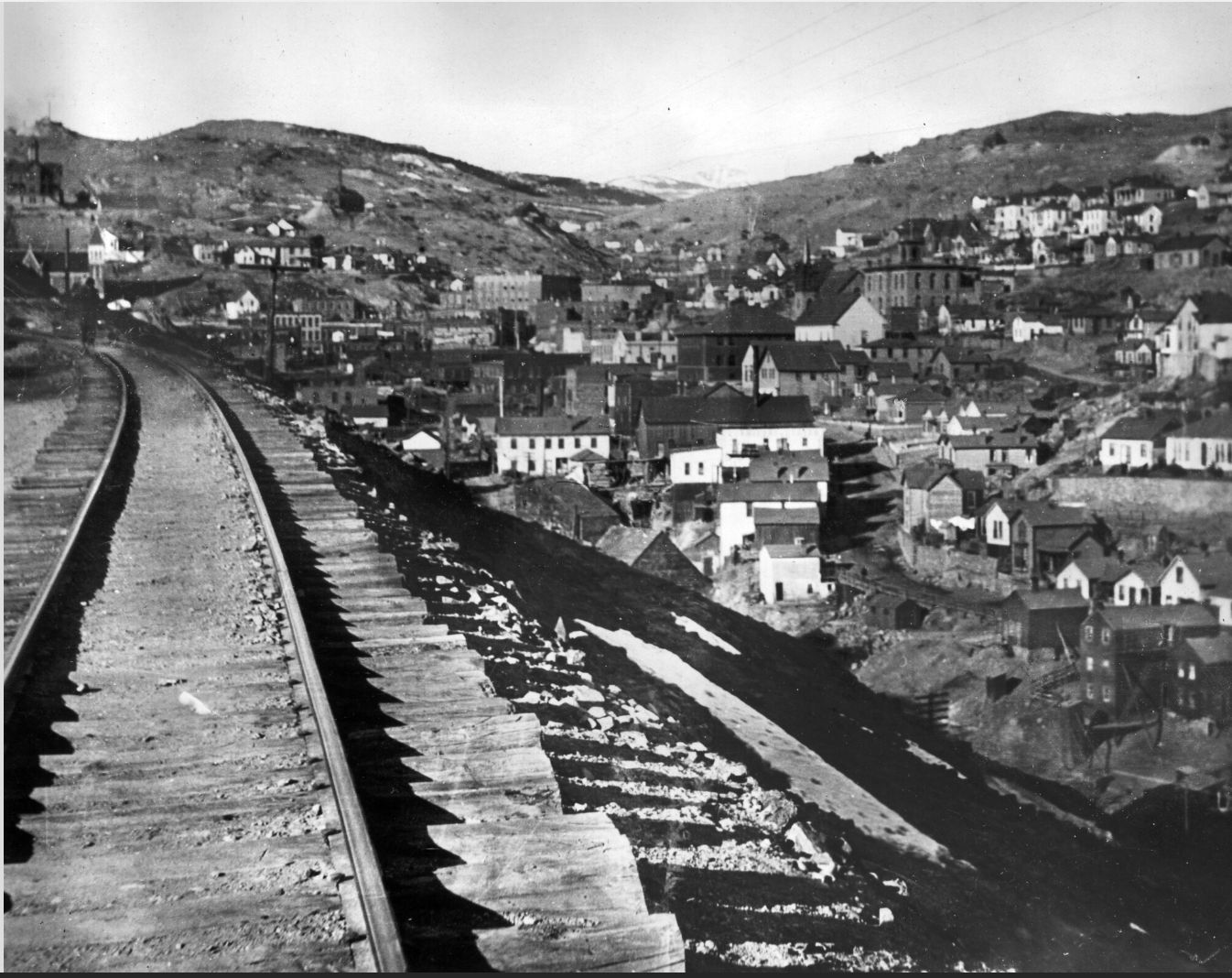
In May of 1874, fire tore through Central City and destroyed a significant portion of the town — a catastrophe that was, paradoxically, the beginning of Central City's most architecturally significant era. After the fire, the town rebuilt in brick. The Victorian commercial buildings that line Eureka Street today are largely products of that post-fire reconstruction, which is why Central City looks, in some ways, more intact than other Colorado boomtowns that never had the same catastrophe to force a rethink.
But no brick building could stop what was coming for the mining industry. By the 1880s, the richest surface deposits had been exhausted, and the shift to hard-rock mining — going deeper, processing lower-grade ore — required capital investment that individual miners couldn't provide. Mining operations consolidated into companies. The independent prospector gave way to the wage worker. The Colorado silver crash of 1893, triggered by the repeal of the Sherman Silver Purchase Act, devastated communities across the state, and while Central City's economy was more gold-focused than silver, the ripple effects were felt everywhere.
The population that had peaked at over 10,000 began to contract. Families left. Businesses closed. The grand hotels that had once hosted U.S. presidents found themselves with empty rooms and peeling paint. The railroad that had connected Central City to the outside world — the narrow-gauge Colorado Central, which had snaked up the canyon with improbable engineering — eventually stopped running. Isolation, always a feature of mountain-town life, became a defining one.
By the early 20th century, Central City had become what historians sometimes call a "relic landscape" — a place where the physical infrastructure of prosperity remained long after the prosperity itself had departed. The Opera House sat dormant. The Teller House deteriorated. The mines that hadn't collapsed were flooded or abandoned.
What gets lost in the big numbers — 10,000 people, millions in gold, miles of mining shafts — is the individual human story. Central City produced, shaped, or attracted some genuinely remarkable people.
Henry Teller has already been mentioned. Add to that Nathaniel P. Hill, a Brown University chemistry professor who came to Central City in the 1860s to solve a vexing metallurgical problem: how to process the complex sulfide ores that the mines were producing in abundance but that resisted standard gold-extraction techniques. Hill visited smelters in Europe, came back with new methods, and established the Boston and Colorado Smelting Works in Black Hawk — just below Central City — in 1867. The smelter transformed the economics of Colorado mining and made Hill extraordinarily wealthy. He later served as U.S. Senator from Colorado.
There was also the social world of Central City's women, a history still being fully written. Women like Clara Brown — a formerly enslaved woman who came to Colorado during the gold rush, made a fortune operating laundries, and used that fortune to bring other freed Black people west after the Civil War — represent a chapter of Colorado history that deserves far more than a footnote.
In 1991, Colorado voters approved limited-stakes gambling in three historic mountain communities: Central City, Black Hawk, and Cripple Creek. The intention, broadly, was to use gaming revenue to fund historic preservation and give economically struggling communities a new engine. The reality, as always, was complicated.
Casinos came to Central City. They brought jobs, revenue, and a certain kind of tourist. They also brought traffic, noise, and a reorientation of the town's identity around slot machines rather than history. Black Hawk, just a mile down the highway, built larger and more aggressive casino complexes and captured the lion's share of the gambling traffic. Central City's casinos are smaller, the town's historic character more intact — but the tension between preservation and commerce, between the Central City that was and the Central City that pays its bills, is ongoing.
The permanent population today is just a few hundred people, one of the smallest incorporated municipalities in Colorado. The county seat of Gilpin County, Central City still functions as a government center for a county with more land than people. The Opera Festival runs every summer. The Teller House still takes guests. The Gilpin History Museum, housed in a historic building on Eureka Street, keeps the documentary record of everything this place was.
Here's the honest answer to the question this story has been circling: Central City matters because it is the clearest possible example of how Colorado happened.
Colorado wasn't settled gradually, the way a farmer works a field — patiently, methodically, season by season. It exploded into existence because the ground held something people wanted desperately. The institutions, the laws, the infrastructure, the social norms — all of it had to be invented almost simultaneously, by people who were making it up as they went, under pressure, at altitude, in a landscape that didn't care whether they succeeded or not.
Central City did that faster and more completely than almost anywhere else. And then it showed what happens after — after the boom, after the fire, after the consolidation, after the railroad stops running. It showed that places don't just disappear. They evolve, sometimes gracefully and sometimes awkwardly, carrying the weight of what they used to be into whatever they're becoming.
Walking Central City today — up the steep pitch of Eureka Street, past the Victorian storefronts, past the Opera House where some soprano is probably running scales in an upstairs rehearsal room, past the Teller House where the face on the barroom floor has been staring up at strangers for nearly ninety years — you feel the particular Colorado feeling that comes from understanding that this state was built by people betting everything on something uncertain.
Most of them lost. Some of them won. The mountain doesn't remember the difference.
But we should. That's what history is for.
---
Want to explore more of Colorado's hidden history? Check out the Gilpin History Museum and the Central City Opera House for programming and visits. For information on visiting Central City, head to centralcity.colorado.gov.