 Revolutionizing · Modernizing · Simplifying
Revolutionizing · Modernizing · Simplifying
Revolutionizing · Modernizing · Simplifying
Fewer homes for sale usually means one thing. Bidding wars. Offers over asking. Somebody waiving inspection on a house they saw for eleven minutes.
That is not what is happening in metro Denver right now, and that is the part people miss.
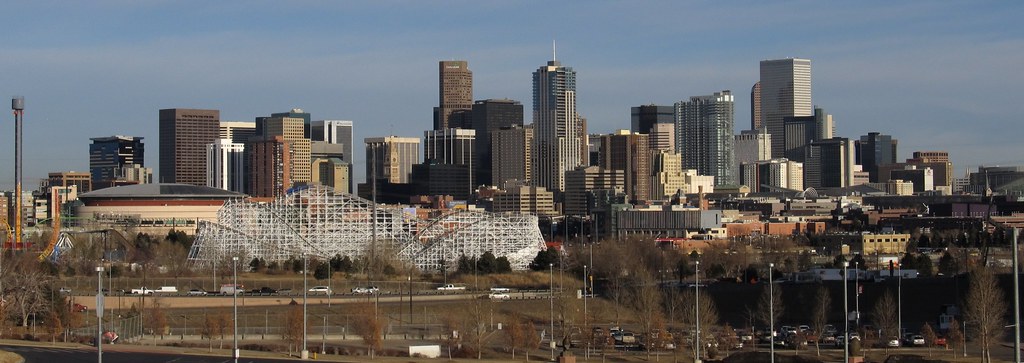
Active single-family listings in the metro fell 21.1% in June 2026 compared to June 2025. That is roughly 3,000 fewer homes on the market. And this was not a one-month blip. Listings dropped 14.2% in April, then 20.5% in May, then that 21.1% in June, per The Colorado Sun on July 16. So supply is shrinking, month after month.
Normally you clap your hands together and get ready for a feeding frenzy. Instead, year-to-date home sales across the Denver area were up a grand total of 0.2% from a year earlier. Not 20%. Not 2%. Zero point two.
And prices? June's median sale price was basically flat, up 1.6% year over year to $650,000. When supply drops by a fifth and prices barely move, something else is going on underneath.

An analyst quoted by the Sun called current conditions a "constrained equilibrium." I actually like that phrase, even if it sounds like something you would say to sound smart at a dinner party. What it means in plain English is this: there are fewer homes, but there are also fewer motivated buyers, so the two cancel each other out and nothing really breaks loose.
The upside, if you are buying, is that you finally get to act like a normal human. You can order an inspection. You can negotiate. You are not signing your life away in a parking lot. But as that same analyst noted, few professionals would call this an ideal market. It is just a stuck one.
Here is the number that makes it real. Roughly 12,088 homes were actively marketed in the Denver area at the end of June, per the Colorado Association of Realtors. That is nearly three times the inventory we had in June 2021, back in the pandemic frenzy when homes sold in about ten days and people were writing love letters to sellers. Ten days. Now Redfin has homes selling in about 18 days over the three months ending in May, with a median sale price of $635,000, up 2.5% year over year.
So more homes to pick from, more time to think, flat prices. Sounds fine until you ask why buyers went quiet.

This is the real story, and it is not really about mortgage rates.
The Denver metro area gained only 10,945 people between July 2024 and July 2025, according to U.S. Census Bureau estimates. Now compare that to the year before, when the metro added 49,814 residents. That is not a slowdown. That is the growth engine cutting out.
And the city of Denver itself? It actually lost about 978 people in that stretch, dropping to 740,613 as of July 1, 2025. A 0.13% decline. Small on paper, but the direction is what matters. Denver used to be the place everybody was moving to. Now it is leaking, and the suburbs are picking up the slack.
Statewide it is the same story. Colorado added just 33,151 residents from 2024 to 2025, roughly 60% below the pace we were setting back in 2015, per a Common Sense Institute study. Jefferson County declined by about 600 people. Arapahoe County posted net out-migration of 1,884. These are the counties that used to soak up demand.
Here is the connection people keep missing. For years the Denver housing market ran on new arrivals. Somebody landed a tech job, drove a U-Haul in from California or Chicago, and needed a place to live yesterday. That was the demand. When you add nearly 50,000 people a year, you do not have to worry about buyers showing up. They show up because they just got here.
Take that away and it does not matter how few homes are listed. There is nobody new standing at the door.

You can see the frustration in the delisting numbers. Denver ranked among the top five U.S. metros for relisted homes at 7.4% in a Redfin analysis. That means a lot of sellers put the house up, watched it sit, and pulled it off the market to try again later. That, by the way, is part of why active listings keep dropping. It is not always people choosing to stay put. Some of them just gave up for now.
A separate Homes.com report, updated July 23, counted 4,056 home sales in June, up a whisper at 0.6% year over year. That ranks Denver 31st out of the 40 largest U.S. housing markets. Break it down and you see the split: single-family sales rose 0.8% to 3,147, townhome sales fell 9.9% to 485, and condos actually jumped 14.0% to 424. So the condo buyer, the price-conscious one, is the most active group we have got.

If you are selling, this is not 2021 and it is not coming back this year. Price it right or watch it join the 7.4%.
If you are buying, honestly, this is the most breathing room you have had in years. Get the inspection. Negotiate. Nobody is going to snatch it out from under you in ten days.
And if you are just trying to figure out what your house is worth, the answer is roughly what it was worth last year. Up 1.6%. Flat prices, thin demand, and a whole lot of Coloradans wondering where everybody went.